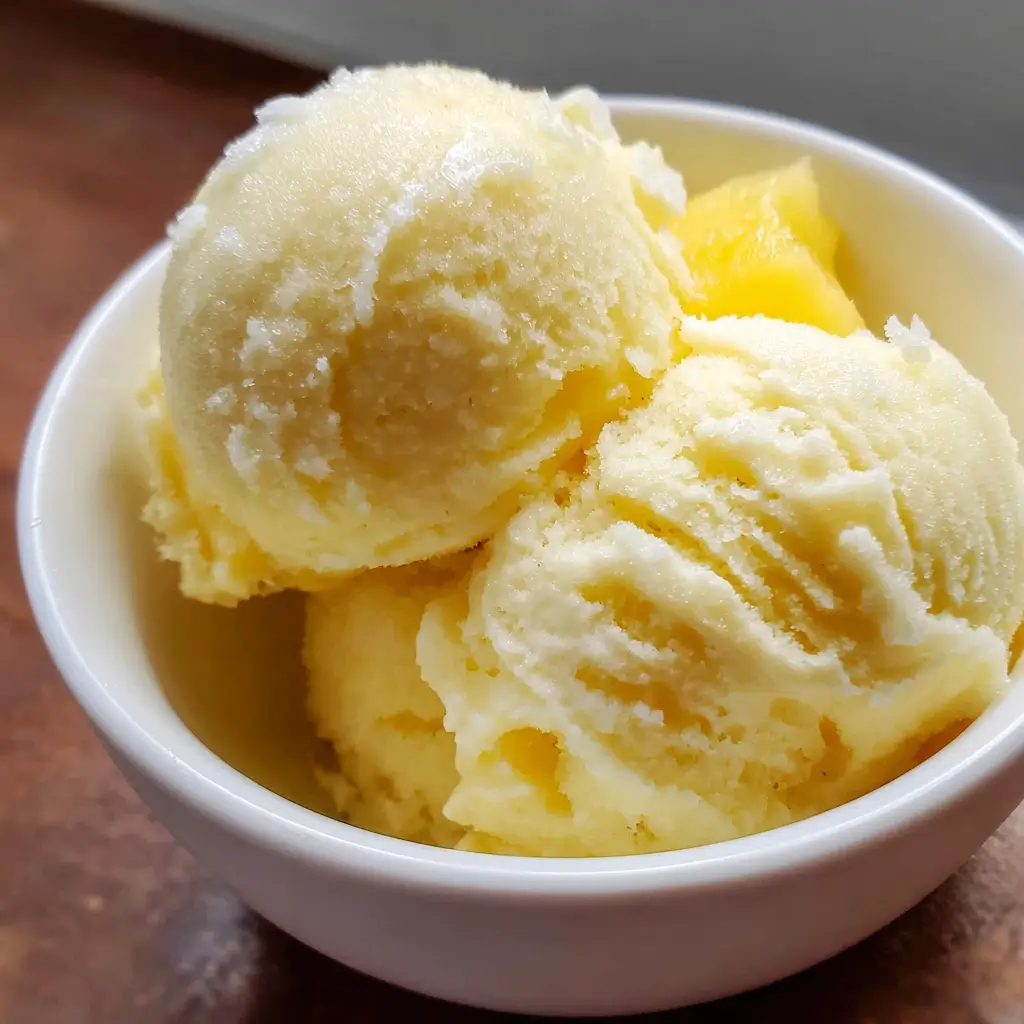
Of all the culinary discoveries I’ve made in my kitchen, the ones that bring the most joy are often the simplest. I remember one particularly sweltering summer afternoon when the heat felt relentless. My family was craving a sweet, cold treat, but the thought of a heavy, cream-laden ice cream just didn’t feel right. We wanted something refreshing, something that tasted like a vacation, but I didn’t want to spend hours in the kitchen or resort to store-bought options full of ingredients I couldn’t pronounce. Rummaging through my freezer, I found a bag of frozen pineapple chunks, and a can of full-fat coconut milk sat waiting in the pantry. A lightbulb went off. Could it really be that easy? I tossed them into my blender, skeptical but hopeful. What emerged minutes later was nothing short of magical. It was a vibrant, velvety-smooth sorbet, bursting with the tropical, tangy-sweet flavor of pineapple and rounded out by the rich, creamy luxury of coconut. When I served it, the reaction was immediate. My kids’ eyes widened, and my husband, who is usually my toughest critic, declared it one of the best desserts I’d ever made. It became our go-to summer staple, a guilt-free indulgence that feels incredibly decadent. This 2-Ingredient Pineapple Coconut Sorbet isn’t just a recipe; it’s a passport to a tropical paradise, a quick and healthy solution to any sweet craving, and proof that sometimes, the most extraordinary flavors come from the most unassuming combinations.
Ingredients
This recipe’s beauty lies in its simplicity. You only need two core ingredients to create this luscious tropical sorbet. The quality of these ingredients will directly impact the final taste and texture, so choose wisely for the best results.
- Frozen Pineapple Chunks (20 oz / 567g, or about 4 cups): This is the star of the show, providing the sorbet’s structure, natural sweetness, and vibrant, tangy flavor. Using pre-frozen pineapple is crucial as it eliminates the need for an ice cream maker, creating an instantly thick and frosty texture right out of the blender. The frozen fruit acts as the ice, but without watering down the intense pineapple taste.
- Full-Fat Canned Coconut Milk (1 can, 13.5 oz / 400ml), Chilled: This is the secret to a creamy, dreamy, non-icy sorbet. The high-fat content emulsifies with the pineapple, creating a velvety mouthfeel that mimics traditional dairy-based ice cream. Do not substitute this with light coconut milk or the coconut beverage from a carton, as they lack the necessary fat and will result in a thin, icy texture. Chilling the can beforehand helps keep the mixture cold during blending for a perfect soft-serve consistency.
Instructions
Creating this sorbet is an incredibly straightforward process. The key is to use a powerful blender that can handle frozen fruit and to work quickly to maintain the frozen texture.
- Prepare Your Equipment: Before you begin, ensure your blender is clean and ready to go. If your blender has a tamper (a plastic wand that fits through the lid), have it handy. This tool is invaluable for pushing the frozen fruit down toward the blades without stopping the machine, ensuring a smooth, even blend.
- Chill Your Coconut Milk (If you haven’t already): For the creamiest, thickest result, it’s best to use coconut milk that has been refrigerated for at least a few hours, or even overnight. This helps the coconut cream solidify and keeps the overall temperature of the sorbet as low as possible during blending.
- Combine Ingredients in the Blender: Open the chilled can of full-fat coconut milk. Don’t shake it! You can pour the entire contents—both the thick cream and the liquid water—into the blender. Add the 20 ounces of frozen pineapple chunks on top of the coconut milk. Placing the liquid at the bottom helps the blades get started more easily.
- Blend Until Smooth and Creamy: Secure the lid on your blender. Start blending on a low speed, then gradually increase to high. The mixture will likely be very thick and may struggle to move at first. This is where the tamper comes in. Use it to continuously push the pineapple chunks down into the whirring blades. If you don’t have a tamper, you may need to stop the blender a few times and use a spatula to scrape down the sides and push the mixture towards the bottom.
- Achieve the Perfect Consistency: Continue blending for about 1-3 minutes, or until the sorbet is completely smooth, thick, and creamy, with no remaining pineapple lumps. It should have the consistency of a very thick smoothie or classic soft-serve ice cream. Be careful not to over-blend, as the friction from the blades can start to generate heat and melt the sorbet.
- Serve or Freeze for Later: You can serve the pineapple coconut sorbet immediately for a delicious soft-serve experience. Alternatively, for a firmer, more traditional scoopable sorbet, transfer the mixture to a freezer-safe, airtight container (a loaf pan works wonderfully). Press a piece of parchment paper or plastic wrap directly onto the surface of the sorbet to prevent ice crystals from forming, then seal the container and freeze for at least 2-4 hours, or until firm.
Nutrition Facts
This sorbet is a wonderful example of a dessert that is both delicious and packed with nutritional benefits.
- Servings: This recipe makes approximately 6 servings.
- Calories Per Serving: Approximately 220-250 calories.
- Rich in Vitamin C: Pineapple is an excellent source of Vitamin C, a powerful antioxidant that helps support the immune system, promote healthy skin by aiding collagen production, and protect your cells from damage.
- Source of Healthy Fats: The full-fat coconut milk provides Medium-Chain Triglycerides (MCTs). Unlike other fats, MCTs are more easily digested and are sent straight to the liver, where they can be used as a quick source of energy.
- Provides Manganese: Pineapple is loaded with manganese, an essential mineral that plays a crucial role in bone formation, metabolism, and antioxidant defense.
- Contains Bromelain: This special enzyme, found almost exclusively in pineapple, is known for its anti-inflammatory properties and can aid in digestion by helping to break down protein.
- Naturally Dairy-Free and Vegan: This recipe contains no dairy, eggs, or other animal products, making it a perfect frozen treat for those following a vegan diet or who are lactose intolerant.
Preparation Time
The speed of this recipe is one of its most appealing features, making it perfect for a last-minute dessert or a quick afternoon treat.
- Active Preparation Time: 5-10 minutes. This is the hands-on time you’ll spend gathering the ingredients and blending them until smooth.
- Total Time (for Soft-Serve): 5-10 minutes. If you plan to enjoy it immediately in its soft-serve state, the recipe is ready as soon as it comes out of the blender.
- Total Time (for Scoopable Sorbet): 2-4 hours. This includes the active prep time plus the additional freezing time required to achieve a firm, scoopable consistency.
How to Serve
Serving this pineapple coconut sorbet is a chance to get creative and elevate a simple recipe into a show-stopping dessert. The presentation can be as simple or as elaborate as you like.
- The Minimalist (Soft-Serve Style):
- Serve the sorbet immediately after blending.
- Spoon it into chilled glasses or bowls. The cold glass helps it stay frozen longer.
- This method highlights the incredibly fresh flavor and creamy texture right out of the blender.
- The Classic Scoop:
- After freezing the sorbet for a few hours, let it sit on the counter for 5-10 minutes to soften slightly. This makes scooping much easier.
- Use a high-quality ice cream scoop (dipping it in warm water between scoops helps create perfect spheres).
- Serve in bowls or cones for a traditional ice cream parlor experience.
- The Tropical Parfait:
- Layer the sorbet in a tall glass with other delicious ingredients.
- Alternate layers of pineapple coconut sorbet with:
- Crunchy granola or macadamia nuts.
- Diced fresh fruits like mango, kiwi, or strawberries.
- A sprinkle of toasted coconut flakes.
- This creates a beautiful dessert with a delightful variety of textures and flavors.
- The Showstopper (Hollowed-Out Pineapple Boat):
- For a truly impressive presentation, slice a whole pineapple in half lengthwise.
- Carefully carve out the fruit, leaving the shell intact. You can use the removed pineapple to make another batch of sorbet!
- Fill the hollowed-out pineapple “boat” with scoops of the firm, frozen sorbet.
- Garnish extravagantly with fresh mint, a cocktail umbrella, and lime wedges.
- Garnishes Galore:
- Toasted Coconut Flakes: Adds a nutty flavor and a delightful crunch.
- Fresh Mint Sprigs: Provides a pop of color and a cool, refreshing aroma.
- Lime Zest or a Lime Wedge: The acidity of the lime cuts through the richness and brightens the pineapple flavor.
- Passion Fruit Drizzle: The tangy, tropical seeds of a fresh passion fruit are a perfect complement.
- A Drizzle of Maple Syrup or Agave: For those who prefer an extra touch of sweetness.
- Fresh Berries: Raspberries or blueberries add a beautiful color contrast and a tart flavor.
Additional Tips
To ensure your sorbet turns out perfectly every time, here are eight essential tips to master the recipe and customize it to your liking.
- Blender Power is Key: A high-speed blender (like a Vitamix or Blendtec) is highly recommended for this recipe. It has the power to pulverize the frozen pineapple into a smooth, creamy consistency without struggling. If you use a standard blender, you may need to add a little more coconut milk and stop frequently to scrape down the sides.
- For a Sweeter Sorbet: Pineapple sweetness can vary. If your fruit isn’t as sweet as you’d like, feel free to add a tablespoon or two of a liquid sweetener like maple syrup, agave nectar, or honey (if not vegan). Add it during the blending process and taste as you go.
- The Chill Factor: Don’t skip chilling the can of coconut milk. A cold can prevents the mixture from warming up too much from the blender’s friction, which is crucial for achieving that instant soft-serve texture. For an extra-frosty sorbet, you can even chill your blender pitcher in the freezer for 15-20 minutes before you start.
- Don’t Thaw the Pineapple: It’s critical to use the pineapple chunks straight from the freezer. If you let them thaw, they will release too much water, and you’ll end up with a soupy smoothie instead of a thick sorbet. The frozen state of the fruit is what gives the sorbet its structure.
- Preventing Icy Sorbet: The high-fat content of the coconut milk is your best defense against iciness. If you freeze the sorbet for a scoopable texture, pressing parchment paper directly against the surface before sealing the container is a vital step. This minimizes contact with air and prevents large ice crystals from forming.
- Flavor Variations are Endless: This 2-ingredient recipe is a fantastic base for experimentation. Try adding a cup of other frozen fruits like mango, strawberries, or banana for a different flavor profile. A splash of lime juice, a hint of vanilla extract, or a pinch of cardamom can also add a wonderful new dimension.
- Making it Scoopable from the Freezer: When you take the sorbet out of the freezer after several hours or days, it will be very hard. Don’t try to scoop it immediately. Let it sit at room temperature for 10-15 minutes to soften just enough to be easily scoopable without melting.
- Batch Prep for a Quick Treat: If you love this recipe, you can prepare “sorbet packs” for even faster assembly. Portion out 4 cups of pineapple chunks into freezer-safe bags. When you’re ready for a treat, just grab a bag, a can of chilled coconut milk, and blend.
FAQ Section
Here are answers to some of the most common questions about making this 2-Ingredient Pineapple Coconut Sorbet.
1. Can I use fresh pineapple instead of frozen?
While fresh pineapple is delicious, it won’t work for this specific recipe if you want an instant sorbet. The recipe relies on the frozen fruit to create the thick, icy texture right out of the blender. If you only have fresh pineapple, you can chop it into 1-inch chunks, arrange them in a single layer on a baking sheet, and freeze them until solid (at least 4-6 hours) before using them in the recipe.
2. I don’t have full-fat coconut milk. Can I use light coconut milk or coconut milk from a carton?
It is strongly recommended to use full-fat, canned coconut milk. The high-fat content is essential for creating a creamy, smooth, and non-icy texture. Light coconut milk and carton-based coconut beverages have a much higher water content and lower fat content, which will result in a sorbet that is thin, watery, and freezes into a solid, icy block rather than a scoopable treat.
3. Do I absolutely need an ice cream maker for this recipe?
No, you do not! That is the primary advantage of this recipe. By using frozen fruit and a powerful blender, you completely bypass the need for an ice cream maker. The blender does all the work of churning and freezing simultaneously, giving you a perfect soft-serve consistency in minutes.
4. My sorbet isn’t very sweet. How can I fix it?
The final sweetness depends entirely on your pineapple. Some are naturally sweeter than others. If your sorbet tastes too tart, simply add a tablespoon of your preferred liquid sweetener (maple syrup, agave, or honey) to the blender and pulse a few times to incorporate it. Taste and adjust until it reaches your desired level of sweetness.
5. How long can I store the sorbet in the freezer?
When stored properly in an airtight container with parchment paper pressed against the surface, the sorbet will keep well in the freezer for up to 2-3 weeks. After that, it may start to develop more significant ice crystals and lose some of its creamy texture, but it will still be edible and delicious.
6. Why did my sorbet turn out icy instead of creamy?
There are a few potential reasons for an icy texture. The most common cause is using low-fat or carton coconut milk instead of full-fat canned milk. Another reason could be adding extra liquid (like water or juice) to the blender. Finally, if you freeze the sorbet for a long time without proper storage (i.e., not in an airtight container or without the parchment paper layer), ice crystals will naturally form.
7. Can I add a little alcohol to make it a boozy sorbet?
Absolutely! Adding 1-2 tablespoons of a clear spirit like rum (white or coconut rum would be perfect), vodka, or tequila can create a delicious adults-only treat. Alcohol also helps keep the sorbet softer and more scoopable in the freezer because it lowers the freezing point. Add the alcohol during the last 30 seconds of blending.
8. Is this recipe healthy? Is it suitable for different diets?
Yes, this recipe is a wonderfully healthy alternative to many store-bought desserts. It’s made from whole-food ingredients and is free from refined sugars, artificial flavors, and preservatives. It is naturally gluten-free, dairy-free, soy-free, and vegan, making it an excellent choice for individuals with various dietary restrictions or preferences.
2-Ingredient Pineapple Coconut Sorbet
Ingredients
This recipe’s beauty lies in its simplicity. You only need two core ingredients to create this luscious tropical sorbet. The quality of these ingredients will directly impact the final taste and texture, so choose wisely for the best results.
- Frozen Pineapple Chunks (20 oz / 567g, or about 4 cups): This is the star of the show, providing the sorbet’s structure, natural sweetness, and vibrant, tangy flavor. Using pre-frozen pineapple is crucial as it eliminates the need for an ice cream maker, creating an instantly thick and frosty texture right out of the blender. The frozen fruit acts as the ice, but without watering down the intense pineapple taste.
- Full-Fat Canned Coconut Milk (1 can, 13.5 oz / 400ml), Chilled: This is the secret to a creamy, dreamy, non-icy sorbet. The high-fat content emulsifies with the pineapple, creating a velvety mouthfeel that mimics traditional dairy-based ice cream. Do not substitute this with light coconut milk or the coconut beverage from a carton, as they lack the necessary fat and will result in a thin, icy texture. Chilling the can beforehand helps keep the mixture cold during blending for a perfect soft-serve consistency.
Instructions
Creating this sorbet is an incredibly straightforward process. The key is to use a powerful blender that can handle frozen fruit and to work quickly to maintain the frozen texture.
- Prepare Your Equipment: Before you begin, ensure your blender is clean and ready to go. If your blender has a tamper (a plastic wand that fits through the lid), have it handy. This tool is invaluable for pushing the frozen fruit down toward the blades without stopping the machine, ensuring a smooth, even blend.
- Chill Your Coconut Milk (If you haven’t already): For the creamiest, thickest result, it’s best to use coconut milk that has been refrigerated for at least a few hours, or even overnight. This helps the coconut cream solidify and keeps the overall temperature of the sorbet as low as possible during blending.
- Combine Ingredients in the Blender: Open the chilled can of full-fat coconut milk. Don’t shake it! You can pour the entire contents—both the thick cream and the liquid water—into the blender. Add the 20 ounces of frozen pineapple chunks on top of the coconut milk. Placing the liquid at the bottom helps the blades get started more easily.
- Blend Until Smooth and Creamy: Secure the lid on your blender. Start blending on a low speed, then gradually increase to high. The mixture will likely be very thick and may struggle to move at first. This is where the tamper comes in. Use it to continuously push the pineapple chunks down into the whirring blades. If you don’t have a tamper, you may need to stop the blender a few times and use a spatula to scrape down the sides and push the mixture towards the bottom.
- Achieve the Perfect Consistency: Continue blending for about 1-3 minutes, or until the sorbet is completely smooth, thick, and creamy, with no remaining pineapple lumps. It should have the consistency of a very thick smoothie or classic soft-serve ice cream. Be careful not to over-blend, as the friction from the blades can start to generate heat and melt the sorbet.
- Serve or Freeze for Later: You can serve the pineapple coconut sorbet immediately for a delicious soft-serve experience. Alternatively, for a firmer, more traditional scoopable sorbet, transfer the mixture to a freezer-safe, airtight container (a loaf pan works wonderfully). Press a piece of parchment paper or plastic wrap directly onto the surface of the sorbet to prevent ice crystals from forming, then seal the container and freeze for at least 2-4 hours, or until firm.
Nutrition
- Serving Size: one normal portion
- Calories: 250