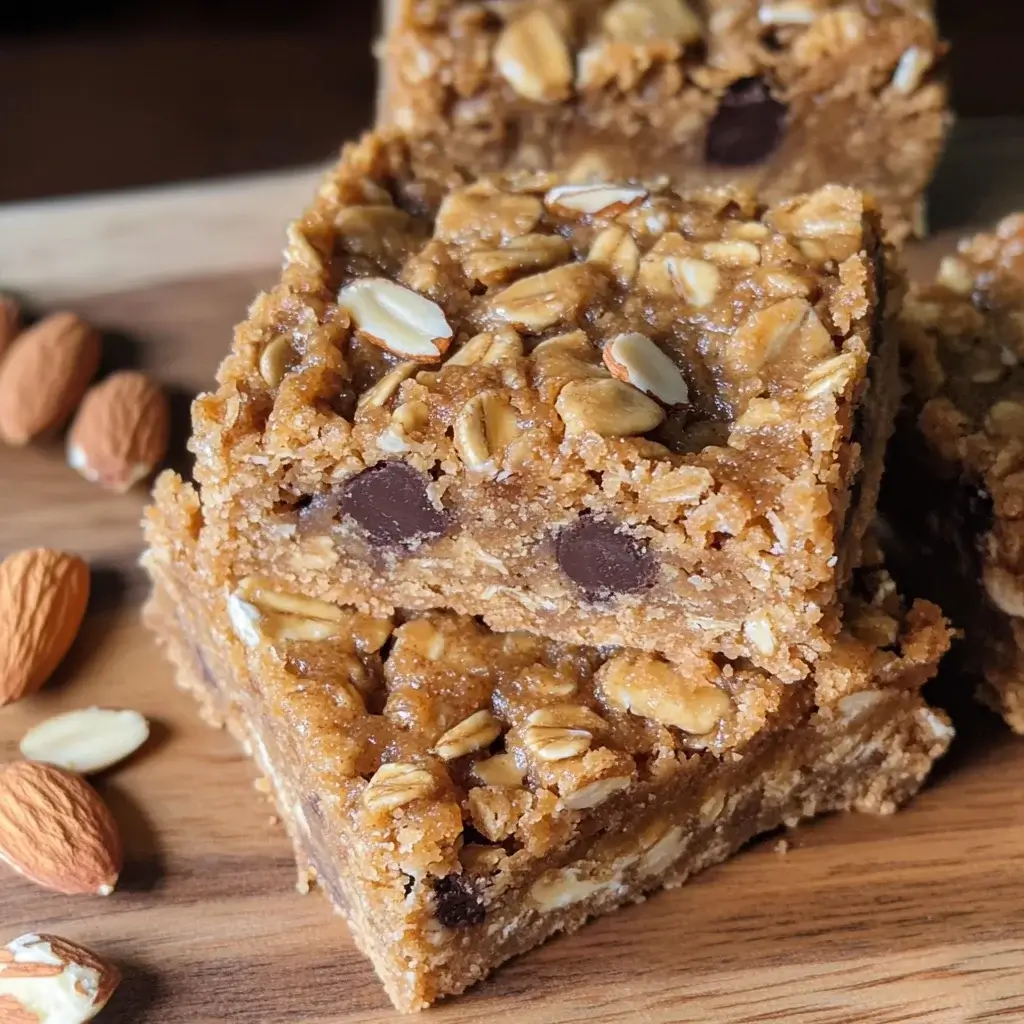
There are some recipes that just work. You know the ones – they’re simple enough for a weeknight, delicious enough for guests, and healthy enough that you don’t feel guilty grabbing one (or two!) on the way out the door. For my family, these Almond Butter Oat Bars have become exactly that recipe. I first stumbled upon a similar concept when looking for healthier, packable snacks for my kids’ lunchboxes. Store-bought bars were often loaded with sugar or unpronounceable ingredients, and frankly, getting expensive! I started experimenting, tweaking ratios, swapping ingredients, and finally landed on this version. The result? Pure magic. The first time I made them, they disappeared from the container within 24 hours. My husband, usually skeptical of anything labeled “healthy,” declared them “surprisingly amazing,” and the kids? They now request “mommy’s special oat bars” constantly. They love the chewy texture, the subtle sweetness, and the occasional burst of chocolate (because, let’s be honest, chocolate chips make everything better). I love that they’re packed with wholesome ingredients like oats and almond butter, providing sustained energy without the sugar crash. They’ve become our go-to for breakfast-on-the-run, afternoon pick-me-ups, pre-sports fuel, and even simple desserts. Making a batch has become a Sunday ritual, ensuring we have healthy, homemade goodness ready for the busy week ahead. They are incredibly forgiving, easily adaptable, and genuinely delicious – a true kitchen staple we can’t live without.
Why You’ll Fall in Love with These Almond Butter Oat Bars
Beyond my family’s rave reviews, there are plenty of objective reasons why this recipe deserves a prime spot in your baking repertoire. In a world saturated with complex recipes and processed snacks, these bars stand out for their simplicity, nutritional value, and sheer deliciousness.
- Incredibly Easy to Make: Seriously, this is one of the simplest recipes you’ll encounter. It primarily involves melting, mixing, pressing, and chilling. There’s no complex baking technique, no stand mixer required, and minimal room for error. It’s a fantastic recipe for beginner bakers or for getting kids involved in the kitchen.
- Wholesome & Nourishing Ingredients: At its core, this recipe uses ingredients you can feel good about. Rolled oats provide complex carbohydrates and fiber, crucial for digestive health and sustained energy release. Almond butter offers healthy monounsaturated fats, protein, and essential minerals like magnesium and vitamin E. Depending on your sweetener choice (like maple syrup or honey), you can add natural sweetness along with trace minerals, avoiding refined sugars often found in commercial bars.
- Perfect for Meal Prep: As I mentioned, making a batch on Sunday sets you up for success throughout the week. They store beautifully in the fridge or freezer, meaning you can have a healthy, homemade snack ready to grab whenever hunger strikes. This proactive approach helps avoid reaching for less healthy convenience options when you’re short on time.
- Super Versatile & Adaptable: This recipe is a fantastic base. Don’t have almond butter? Use peanut butter, cashew butter, or sunflower seed butter for a nut-free option. Want to add extra texture or nutrients? Throw in some chia seeds, flax seeds, chopped nuts, dried fruit, or shredded coconut. You can easily adjust the sweetness level or add different spices like cinnamon or nutmeg. It’s easy to tailor them to your dietary needs (gluten-free, vegan) and taste preferences.
- Budget-Friendly: Compared to buying individual snack bars, making your own is significantly more economical. Oats, almond butter, and sweeteners are relatively inexpensive pantry staples, especially when bought in larger quantities. You get far more servings for your money, without sacrificing quality.
- Energy Boosting: The combination of complex carbs from oats, healthy fats, and protein from almond butter provides a balanced source of energy. Unlike sugary snacks that lead to a quick spike and subsequent crash, these bars offer more sustained fuel, making them ideal for bridging meals, pre-workout snacks, or combating the afternoon slump.
- No-Bake Option Potential: While some variations might involve minimal baking for a toastier flavour, many versions (including the one detailed below) are completely no-bake. This is perfect for hot summer days when turning on the oven feels like a chore, or when you just need a quick and effortless treat.
- Kid-Approved (and Adult-Approved!): The chewy texture and naturally sweet, nutty flavour profile are universally appealing. They are substantial enough to satisfy adult hunger but tasty enough to pass the picky-eater test. They feel like a treat but deliver solid nutrition.
In essence, these Almond Butter Oat Bars tick all the boxes: easy, healthy, delicious, adaptable, and economical. They are the perfect solution for busy families, health-conscious individuals, or anyone simply looking for a truly satisfying homemade snack.
Choosing Your Star Ingredients: A Closer Look
The beauty of this recipe lies in its simplicity, but the quality of your ingredients significantly impacts the final flavour and texture. Let’s break down the key players:
- Rolled Oats: This is the backbone of the bars, providing structure and that signature chewy texture.
- Why Rolled Oats? Also known as old-fashioned oats, these have been steamed and rolled flat. They maintain their shape during mixing and chilling, giving the bars a pleasant bite.
- Can I use other oats?
- Quick Oats: These are rolled thinner and cut smaller. They can work in a pinch, but the bars might be softer and less chewy, potentially a bit mushy.
- Steel-Cut Oats: These are too hard and chewy for a no-bake bar and won’t absorb the liquid mixture properly. Avoid them for this recipe.
- Instant Oats: These are often pre-cooked and very fine, sometimes with added sugar or flavourings. They will likely result in a pasty texture. Stick to rolled oats.
- Gluten-Free Needs: If you need gluten-free bars, ensure you purchase certified gluten-free rolled oats. Oats are naturally gluten-free but often processed in facilities with wheat, leading to cross-contamination.
- Almond Butter: This acts as a binder, adds healthy fats, protein, and the dominant nutty flavour.
- Creamy vs. Crunchy: This is purely personal preference! Creamy almond butter creates a smoother, more uniform bar. Crunchy adds little bits of texture throughout. Both work beautifully.
- Natural vs. Conventional: Natural almond butter typically contains only almonds and maybe salt. It often requires stirring as the oil separates. Conventional almond butter may contain added oils (like palm oil) and sugars to prevent separation and enhance sweetness. For a healthier bar, opt for natural almond butter where you control the added salt and sugar. Ensure you stir it very well before measuring!
- Alternatives: Peanut butter is a classic substitute. Cashew butter offers a milder, creamier flavour. For nut-free options, sunflower seed butter (SunButter) or tahini (sesame seed paste) are excellent choices, though they will alter the flavour profile significantly (tahini can be slightly bitter, SunButter has a distinct taste).
- Liquid Sweetener: This binds the ingredients together, adds moisture, and provides sweetness.
- Maple Syrup: Offers a lovely caramel-like flavour and is a great vegan option. Use pure maple syrup, not pancake syrup (which is mostly corn syrup and artificial flavours).
- Honey: A classic choice with floral notes. Note that honey is not vegan. Raw honey offers potential health benefits but will be heated slightly in this recipe. Its flavour is generally stronger than maple syrup.
- Agave Nectar: Another vegan option, thinner than honey or maple syrup, with a more neutral flavour. You might need slightly less or add a touch more oats if the mixture seems too wet.
- Brown Rice Syrup: A very sticky, mildly sweet vegan option that provides excellent binding.
- Can I use granular sugar? No, liquid sweetener is essential for binding in a no-bake recipe like this. Granular sugar won’t dissolve properly and won’t hold the bars together.
- Fat/Binder: Often used alongside the nut butter and sweetener for richness, flavour, and setting power.
- Coconut Oil: A popular choice, especially for vegan bars. It adds a subtle coconut flavour (use refined coconut oil if you dislike the taste) and helps the bars solidify nicely when chilled due to its high saturated fat content that firms up at cool temperatures.
- Butter: Unsalted butter adds a rich, classic flavour.
- Vegan Butter Sticks: A good substitute for regular butter if you need a dairy-free/vegan option without coconut flavour.
- Flavour Enhancers & Mix-Ins: These elevate the bars from simple to spectacular.
- Vanilla Extract: Rounds out the flavours and adds warmth.
- Salt: Crucial for balancing sweetness and enhancing the nutty flavour. Even a small pinch makes a big difference. Use fine sea salt or kosher salt.
- Optional Spices: Cinnamon is a wonderful addition. Nutmeg, cardamom, or pumpkin spice blends can also add interesting dimensions.
- Mix-Ins (Endless Possibilities!):
- Chocolate Chips (mini or regular, dark, semi-sweet, milk, or white)
- Dried Fruit (raisins, cranberries, chopped apricots, cherries)
- Nuts (chopped walnuts, pecans, extra almonds)
- Seeds (chia seeds, flax seeds (ground or whole), pumpkin seeds, sunflower seeds)
- Shredded Coconut (sweetened or unsweetened)
Understanding the role of each ingredient empowers you to make substitutions confidently and customize the bars to your liking while ensuring they still hold together and taste great.
Ingredients
Here’s what you’ll need to create these delicious Almond Butter Oat Bars:
- 1 cup Creamy Almond Butter: (Approx. 250g) Use natural, well-stirred almond butter for best results. Can substitute crunchy or other nut/seed butters.
- ½ cup Pure Maple Syrup: (Approx. 160g) Provides sweetness and binding. Honey or agave nectar can be substituted (adjust amount slightly if using agave).
- ¼ cup Coconut Oil: (Approx. 50g) Melted. Helps bind the bars and makes them firm when chilled. Refined coconut oil has a neutral flavour; unrefined has a coconut taste. Melted butter (unsalted) or vegan butter can be used.
- 1 teaspoon Vanilla Extract: Enhances the overall flavour profile.
- ¼ teaspoon Fine Sea Salt: Balances the sweetness and brings out the nutty flavour. Adjust if your almond butter is already salted.
- 2 ½ cups Rolled Oats: (Approx. 225g) Also known as old-fashioned oats. Use certified gluten-free if needed. Do not use steel-cut or instant oats.
- ½ cup Mix-ins (Optional): Such as chocolate chips (mini or regular), chopped nuts (walnuts, pecans), seeds (chia, flax, pumpkin), or dried fruit (raisins, cranberries).
Instructions
Follow these simple steps to assemble your Almond Butter Oat Bars:
- Prepare the Pan: Line an 8×8 inch (20×20 cm) square baking dish with parchment paper, leaving some overhang on two opposite sides. This creates “handles” to easily lift the bars out later. Lightly grease the parchment paper or the pan if not using paper, although paper is highly recommended for easy removal.
- Combine Wet Ingredients: In a medium-sized saucepan over low heat, combine the almond butter, maple syrup (or honey/agave), and coconut oil (or butter).
- Melt Gently: Heat the mixture gently, stirring continuously, until the coconut oil is fully melted and the mixture is smooth, well-combined, and slightly warm. Be careful not to boil or overheat it – you just want everything melted and integrated. Low heat is key.
- Add Flavourings: Remove the saucepan from the heat. Stir in the vanilla extract and the fine sea salt until evenly distributed.
- Incorporate Dry Ingredients: Pour the warm almond butter mixture over the rolled oats in a large mixing bowl. If using optional mix-ins (like chocolate chips, nuts, seeds, or dried fruit), add them now.
- Mix Thoroughly: Stir everything together using a sturdy spoon or spatula until the oats and any mix-ins are completely coated with the wet mixture. Ensure there are no dry patches of oats remaining. The mixture will be thick and sticky.
- Press into Pan: Transfer the oat mixture into the prepared baking dish. Using the back of the spoon, your hands (slightly dampened can help prevent sticking), or the bottom of a flat glass covered in parchment paper, press the mixture down very firmly and evenly into the pan. This pressing step is crucial for ensuring the bars hold together well and don’t crumble. Get into the corners and make the surface as level as possible.
- Chill to Set: Cover the baking dish (with plastic wrap, foil, or a reusable cover) and place it in the refrigerator for at least 1-2 hours, or until the bars are firm to the touch. For faster setting, you can place them in the freezer for about 30-45 minutes. Chilling solidifies the coconut oil and allows the flavours to meld.
- Cut and Serve: Once firm, use the parchment paper overhangs to lift the entire block out of the pan onto a cutting board. Use a sharp knife to cut into squares or rectangles. The size is up to you – typically 9 large squares or 12-16 smaller bars.
- Store: Store the cut bars in an airtight container.
Nutrition Facts
- Serving Size: 1 bar (assuming recipe cut into 12 bars)
- Calories per serving: Approximately 250-300 kcal (This is an estimate and will vary based on specific ingredients used, especially mix-ins and type of nut butter/sweetener).
- Healthy Fats: Rich in monounsaturated fats from almond butter and potentially medium-chain triglycerides (MCTs) if using coconut oil, supporting heart health and providing satiety.
- Dietary Fiber: Good source of fiber primarily from the rolled oats, aiding digestion and promoting a feeling of fullness. Approximately 3-4g per bar.
- Protein: Contains a decent amount of plant-based protein from the almond butter and oats, contributing to muscle maintenance and satiety. Approximately 6-8g per bar.
- Complex Carbohydrates: Provides sustained energy release thanks to the whole grain rolled oats, preventing energy crashes associated with simple sugars.
(Disclaimer: Nutritional information is an estimate calculated using standard ingredient databases. Actual values may vary based on specific brands, ingredient variations, and portion sizes.)
Preparation Time
- Active Preparation Time: 10-15 minutes (Melting, mixing, pressing)
- Chilling Time: 1-2 hours (in the refrigerator) or 30-45 minutes (in the freezer)
- Total Time: Approximately 1 hour 15 minutes to 2 hours 15 minutes (mostly hands-off chilling time)
This quick prep time makes it an ideal recipe for busy schedules when you need a wholesome snack without spending hours in the kitchen.
How to Serve
These Almond Butter Oat Bars are incredibly versatile. Here are a few ways to enjoy them:
- Grab-and-Go Breakfast: Perfect for busy mornings when you need something quick, satisfying, and portable. Pair with a piece of fruit or a glass of milk/plant-based milk.
- Lunchbox Staple: A healthy, homemade addition to kids’ or adults’ lunchboxes. They hold up well at room temperature for several hours.
- Afternoon Pick-Me-Up: Combat the 3 PM slump with a bar and a cup of tea or coffee for a boost of sustained energy.
- Pre-Workout Fuel: Consume about 30-60 minutes before exercise for easily digestible energy from complex carbs and fats.
- Post-Workout Recovery: The combination of carbs and protein can help replenish glycogen stores and aid muscle repair, especially if you add extra protein sources like seeds or use protein-fortified almond butter.
- Healthy Dessert:
- Crumble over yogurt (Greek yogurt, coconut yogurt) or smoothie bowls for added texture and flavour.
- Serve slightly warmed (a few seconds in the microwave) with a small scoop of vanilla ice cream or frozen yogurt.
- Drizzle with melted dark chocolate or a simple icing glaze for a more decadent treat.
- Hiking/Travel Snack: They are sturdy and energy-dense, making them ideal for packing on hikes, road trips, or flights.
- With Fruit: Serve alongside fresh berries, sliced banana, or apple slices for a balanced snack.
Additional Tips for Perfect Almond Butter Oat Bars
Take your oat bar game to the next level with these handy tips:
- Press Firmly, Really Firmly: This is the most critical step for ensuring your bars don’t crumble. Use significant pressure to compact the mixture evenly in the pan. A flat-bottomed glass or measuring cup works wonders for getting even pressure across the surface.
- Don’t Overheat the Wet Ingredients: Melt the almond butter, sweetener, and oil over low heat just until combined and smooth. Boiling can alter the texture and potentially scorch the ingredients, affecting the flavour.
- Customize Your Mix-Ins Wisely: While versatile, don’t go overboard with mix-ins. Too many chunky additions can compromise the structure. Aim for around ½ to ¾ cup total. Consider mini chocolate chips as they distribute more evenly than larger ones.
- Toast Your Oats (Optional): For a deeper, nuttier flavour, spread the rolled oats on a baking sheet and toast them in a 350°F (175°C) oven for 8-10 minutes until lightly golden and fragrant. Let them cool completely before mixing with the wet ingredients. This adds an extra step but enhances the taste significantly.
- Line Your Pan Properly: Using parchment paper with overhangs is non-negotiable for easy removal and clean cutting. If you skip this, getting the bars out neatly can be a challenge.
- Chill Thoroughly Before Cutting: Be patient! Cutting the bars before they are fully firm will result in messy, crumbly edges. Ensure they feel solid to the touch. If they seem too hard straight from the freezer, let them sit at room temperature for 5-10 minutes before cutting.
- Use a Sharp Knife: A large, sharp chef’s knife will give you the cleanest cuts. For ultra-clean edges, you can run the knife under hot water and wipe it dry between cuts.
- Adjust Sweetness/Texture: If your mixture seems too wet (perhaps your almond butter was very oily or you used agave), add a tablespoon or two more oats. If it seems too dry, add a tiny bit more melted coconut oil or liquid sweetener (a teaspoon at a time). Taste the mixture before pressing (if comfortable doing so) to adjust salt or sweetness.
FAQ: Your Almond Butter Oat Bar Questions Answered
Here are answers to some frequently asked questions about making these bars:
- Can I use a different nut butter?
Absolutely! Peanut butter is a popular and delicious substitute. Cashew butter, sunflower seed butter (for nut-free), or even tahini can also work, though they will change the flavour profile. Ensure the consistency is similar to standard almond butter; very runny or very thick butters might require slight adjustments to the oats. - How do I make these bars vegan?
Easy! Ensure you use maple syrup or agave nectar (not honey) as your sweetener, coconut oil or vegan butter sticks instead of dairy butter, and choose vegan chocolate chips if adding them. The base recipe with maple syrup and coconut oil is naturally vegan. - How do I make these bars gluten-free?
Simply use certified gluten-free rolled oats. Oats themselves don’t contain gluten, but cross-contamination during processing is common. Check the packaging to be sure. All other core ingredients are typically gluten-free, but always double-check labels if Celiac disease or severe sensitivity is a concern. - My bars are too crumbly. What went wrong?
This usually happens for a few reasons: not pressing the mixture firmly enough into the pan, not using enough binder (ensure accurate measurements of almond butter, sweetener, and oil), or cutting them before they were fully chilled and set. Make sure to press down hard and chill adequately! Sometimes, very dry almond butter can also contribute; a touch more melted coconut oil might help next time. - My bars are too sticky. How can I fix this?
This might occur if the ratio of wet to dry ingredients is off (too much liquid sweetener or oil, not enough oats), or if they haven’t chilled long enough. Ensure accurate measurements. If they remain sticky after proper chilling, try adding slightly more oats next time (1-2 tablespoons). Storing them in the refrigerator helps maintain firmness. - How should I store these oat bars?
Store them in an airtight container. They are best kept in the refrigerator, where they will stay firm and fresh for up to 1-2 weeks. You can keep them at room temperature for a few days, but they will soften, especially in warmer environments (due to the coconut oil). - Can I freeze these bars?
Yes, they freeze beautifully! Place the cut bars in a single layer on a baking sheet lined with parchment paper and freeze until solid (about 1 hour). Then, transfer them to a freezer-safe bag or container, separating layers with parchment paper if needed to prevent sticking. They will last for up to 3 months in the freezer. Thaw in the refrigerator or at room temperature for a few minutes before enjoying. - Can I reduce the sugar/sweetener?
You can reduce the liquid sweetener slightly, but be mindful that it acts as a key binder in addition to providing sweetness. Reducing it too much can make the bars crumbly. Try reducing by 1-2 tablespoons initially. You can also rely more on mix-ins like unsweetened dried fruit for natural sweetness or use a less sweet nut butter. Avoid substituting liquid sweeteners with granular ones.
Almond Butter Oat Bars
Ingredients
Here’s what you’ll need to create these delicious Almond Butter Oat Bars:
- 1 cup Creamy Almond Butter: (Approx. 250g) Use natural, well-stirred almond butter for best results. Can substitute crunchy or other nut/seed butters.
- ½ cup Pure Maple Syrup: (Approx. 160g) Provides sweetness and binding. Honey or agave nectar can be substituted (adjust amount slightly if using agave).
- ¼ cup Coconut Oil: (Approx. 50g) Melted. Helps bind the bars and makes them firm when chilled. Refined coconut oil has a neutral flavour; unrefined has a coconut taste. Melted butter (unsalted) or vegan butter can be used.
- 1 teaspoon Vanilla Extract: Enhances the overall flavour profile.
- ¼ teaspoon Fine Sea Salt: Balances the sweetness and brings out the nutty flavour. Adjust if your almond butter is already salted.
- 2 ½ cups Rolled Oats: (Approx. 225g) Also known as old-fashioned oats. Use certified gluten-free if needed. Do not use steel-cut or instant oats.
- ½ cup Mix-ins (Optional): Such as chocolate chips (mini or regular), chopped nuts (walnuts, pecans), seeds (chia, flax, pumpkin), or dried fruit (raisins, cranberries).
Instructions
Follow these simple steps to assemble your Almond Butter Oat Bars:
- Prepare the Pan: Line an 8×8 inch (20×20 cm) square baking dish with parchment paper, leaving some overhang on two opposite sides. This creates “handles” to easily lift the bars out later. Lightly grease the parchment paper or the pan if not using paper, although paper is highly recommended for easy removal.
- Combine Wet Ingredients: In a medium-sized saucepan over low heat, combine the almond butter, maple syrup (or honey/agave), and coconut oil (or butter).
- Melt Gently: Heat the mixture gently, stirring continuously, until the coconut oil is fully melted and the mixture is smooth, well-combined, and slightly warm. Be careful not to boil or overheat it – you just want everything melted and integrated. Low heat is key.
- Add Flavourings: Remove the saucepan from the heat. Stir in the vanilla extract and the fine sea salt until evenly distributed.
- Incorporate Dry Ingredients: Pour the warm almond butter mixture over the rolled oats in a large mixing bowl. If using optional mix-ins (like chocolate chips, nuts, seeds, or dried fruit), add them now.
- Mix Thoroughly: Stir everything together using a sturdy spoon or spatula until the oats and any mix-ins are completely coated with the wet mixture. Ensure there are no dry patches of oats remaining. The mixture will be thick and sticky.
- Press into Pan: Transfer the oat mixture into the prepared baking dish. Using the back of the spoon, your hands (slightly dampened can help prevent sticking), or the bottom of a flat glass covered in parchment paper, press the mixture down very firmly and evenly into the pan. This pressing step is crucial for ensuring the bars hold together well and don’t crumble. Get into the corners and make the surface as level as possible.
- Chill to Set: Cover the baking dish (with plastic wrap, foil, or a reusable cover) and place it in the refrigerator for at least 1-2 hours, or until the bars are firm to the touch. For faster setting, you can place them in the freezer for about 30-45 minutes. Chilling solidifies the coconut oil and allows the flavours to meld.
- Cut and Serve: Once firm, use the parchment paper overhangs to lift the entire block out of the pan onto a cutting board. Use a sharp knife to cut into squares or rectangles. The size is up to you – typically 9 large squares or 12-16 smaller bars.
- Store: Store the cut bars in an airtight container.
Nutrition
- Serving Size: one normal portion
- Calories: 300
- Fiber: 4g
- Protein: 8g