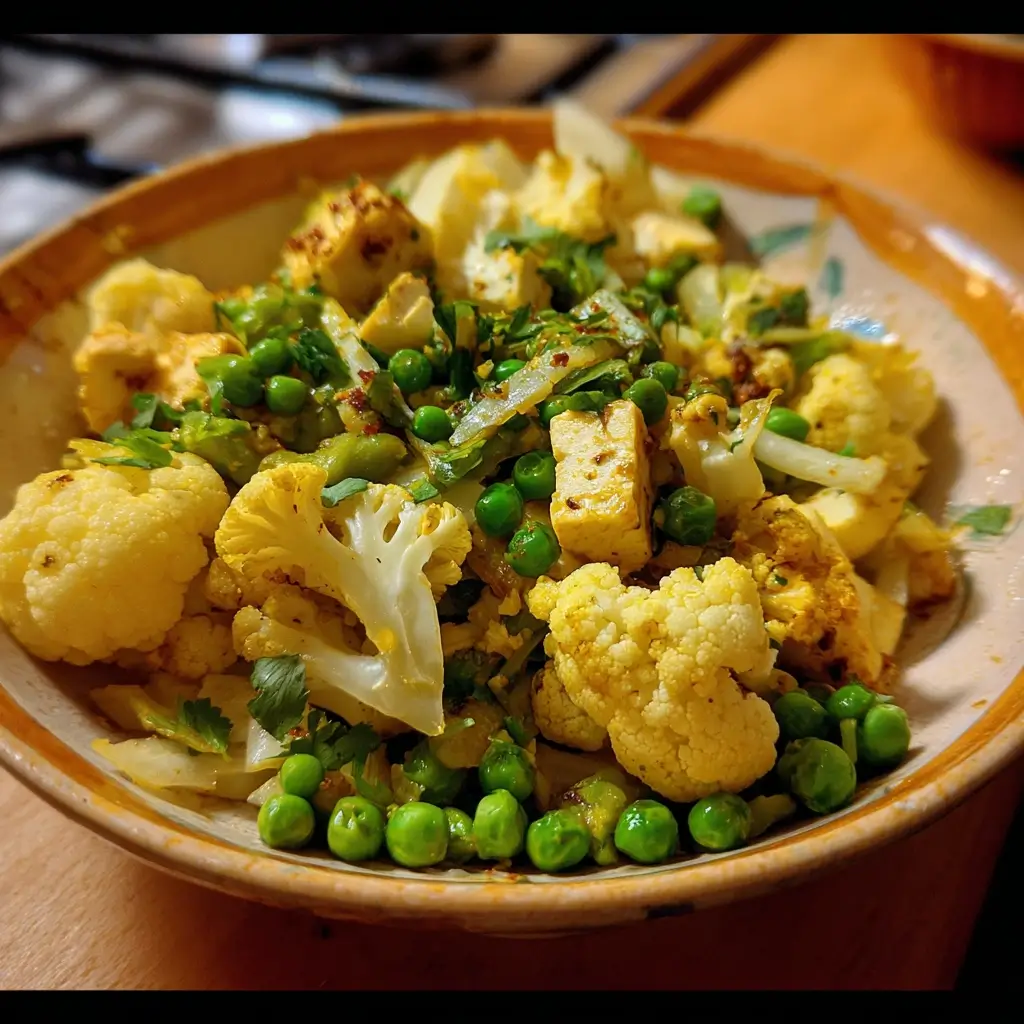
Of all the weeknight dinner dilemmas, finding a meal that is quick, healthy, and genuinely exciting can feel like the toughest challenge. For a long time, my family and I were stuck in a rotation of the same few meals. Then, on a mission to incorporate more plant-based options that didn’t feel like a sacrifice, I developed this Cauliflower and Pea Stir-Fry with Tofu. The first time I made it, I was a little nervous. Tofu can be a hard sell for some, but the reaction was overwhelmingly positive. My husband, who is usually skeptical of tofu, went back for a second helping, praising the “meaty” texture and the incredible flavor of the sauce. My kids loved picking out the vibrant green peas and the perfectly tender cauliflower florets. It has since become a staple in our home, a go-to recipe for those busy evenings when we crave something nourishing but don’t have hours to spend in the kitchen. The magic lies in the details: the way the tofu gets golden and crisp, the crisp-tender bite of the vegetables, and the savory, slightly sweet, and umami-packed sauce that coats every single ingredient. It’s a symphony of textures and flavors that proves a simple vegetable stir-fry can be one of the most satisfying meals you can make.
Ingredients
Here is everything you will need to create this vibrant and flavorful stir-fry. Using fresh, quality ingredients will make a noticeable difference in the final dish.
- For the Crispy Tofu:
- 1 (14-16 ounce) block extra-firm tofu: It’s crucial to use extra-firm tofu, as it holds its shape best and contains less water, allowing it to become wonderfully crispy.
- 1 tablespoon cornstarch: This is the secret weapon for a light, crispy coating on the tofu that also helps the sauce cling to it.
- 1 tablespoon soy sauce (or tamari for gluten-free): A little splash to marinate the tofu before cooking, infusing it with a base layer of savory flavor.
- 2 tablespoons neutral oil (like avocado, canola, or grapeseed oil): A high-smoke-point oil is essential for pan-frying the tofu to golden perfection without burning.
- For the Stir-Fry Sauce:
- ¼ cup low-sodium soy sauce (or tamari): The salty, umami backbone of the sauce. Low-sodium gives you more control over the final saltiness.
- 2 tablespoons rice vinegar: Adds a bright, tangy acidity that balances the richness of the other ingredients.
- 1 tablespoon sesame oil: Provides a deep, nutty, and aromatic flavor that is characteristic of many Asian-inspired dishes.
- 1 tablespoon maple syrup (or honey if not strictly vegan): A touch of sweetness to balance the salty and acidic elements, creating a more complex flavor profile.
- 2 cloves garlic, minced: Fresh garlic offers a pungent, aromatic kick that is fundamental to any good stir-fry.
- 1 tablespoon fresh ginger, grated: Lends a warm, zesty, and slightly spicy note that brightens the entire dish.
- 1 teaspoon cornstarch: This will be mixed into the sauce to act as a thickener, ensuring it beautifully coats the vegetables and tofu rather than pooling at the bottom of the pan.
- For the Vegetables:
- 1 medium head of cauliflower (about 4-5 cups of florets): The star vegetable, which becomes tender-crisp and absorbs the sauce beautifully.
- 1 cup frozen or fresh green peas: Adds a pop of color, a hint of sweetness, and a lovely texture. If using frozen, there’s no need to thaw them first.
- 1 small yellow onion, sliced: Provides a sweet and savory aromatic base for the stir-fry.
- 2 green onions, chopped (whites and greens separated): The white parts are cooked with the onion for flavor, while the green parts are used as a fresh, crisp garnish.
Instructions
Follow these steps carefully for a perfect stir-fry every time. The key to a successful stir-fry is having all your ingredients prepared and ready to go before you start cooking, a practice known as “mise en place.”
- Prepare the Tofu: The most critical step for delicious, non-soggy tofu is pressing it. Remove the tofu from its packaging and drain the water. Wrap the block in several layers of paper towels or a clean kitchen towel. Place it on a plate and put something heavy on top, like a cast-iron skillet, a few cookbooks, or a cutting board weighed down with cans. Let it press for at least 30 minutes, or up to an hour. This removes excess water, which is essential for achieving a crispy texture.
- Cut and Marinate the Tofu: Once pressed, unwrap the tofu and cut it into 1-inch cubes or tear it into rustic, bite-sized pieces (tearing creates more craggy edges that get extra crispy). Place the tofu pieces in a medium bowl. Drizzle with 1 tablespoon of soy sauce and gently toss to coat. Sprinkle the 1 tablespoon of cornstarch over the tofu and toss again until each piece is lightly and evenly dusted. Set aside.
- Prepare the Vegetables and Sauce: While the tofu is pressing, you can get everything else ready. Wash and chop the cauliflower into small, bite-sized florets. Slice the yellow onion and chop the green onions, keeping the white and green parts separate. In a small bowl or liquid measuring cup, whisk together all the stir-fry sauce ingredients: ¼ cup soy sauce, rice vinegar, sesame oil, maple syrup, minced garlic, grated ginger, and the 1 teaspoon of cornstarch. Whisk until the cornstarch is fully dissolved and the sauce is smooth.
- Cook the Tofu: Heat 2 tablespoons of neutral oil in a large skillet, wok, or non-stick pan over medium-high heat. Once the oil is shimmering, carefully add the prepared tofu to the pan in a single layer. Be sure not to overcrowd the pan; cook in two batches if necessary. Let the tofu cook undisturbed for 4-5 minutes per side, until it’s golden brown and crispy on all sides. Use tongs to turn the pieces. Once cooked, remove the tofu from the skillet and set it aside on a plate.
- Stir-Fry the Vegetables: To the same skillet (add another teaspoon of oil if it looks dry), add the sliced yellow onion and the white parts of the green onions. Sauté for 2-3 minutes until they begin to soften and become fragrant. Add the cauliflower florets and a splash of water (about 2-3 tablespoons) to the pan. Cover the pan and let the cauliflower steam-fry for 4-6 minutes, or until it is crisp-tender. You want it to be cooked through but still have a slight bite.
- Combine and Finish: Uncover the skillet. Add the cooked tofu back into the pan along with the green peas. Give the prepared stir-fry sauce a quick whisk again (the cornstarch may have settled) and pour it all over the ingredients in the pan. Stir everything gently to combine, ensuring the sauce coats every piece of tofu and vegetable. Let the stir-fry simmer for 1-2 minutes. The sauce will bubble and thicken up beautifully.
- Serve Immediately: Remove the stir-fry from the heat. Garnish generously with the reserved green parts of the green onions. Serve hot.
Nutrition Facts
This recipe is designed to be as nourishing as it is delicious. The nutritional information is an estimate and can vary based on specific ingredients used.
- Servings: 4
- Calories Per Serving: Approximately 380 kcal
- Protein (Approx. 20g): Tofu is an excellent source of plant-based protein, which is essential for muscle repair, immune function, and keeping you feeling full and satisfied.
- Fiber (Approx. 8g): The cauliflower and peas provide a significant amount of dietary fiber, which is crucial for digestive health, regulating blood sugar levels, and maintaining a healthy weight.
- Vitamin C (Over 100% of RDI): Cauliflower is packed with Vitamin C, a powerful antioxidant that supports the immune system, promotes healthy skin, and aids in iron absorption.
- Iron (Approx. 25% of RDI): This dish offers a good source of plant-based iron, thanks to the tofu and peas. Iron is vital for carrying oxygen in the blood and preventing fatigue.
- Low in Saturated Fat: By using plant-based ingredients and a minimal amount of healthy oil, this dish is naturally low in saturated fat, making it a heart-healthy choice.
Preparation Time
This recipe is perfect for a weeknight, with most of the time dedicated to hands-off tofu pressing.
- Prep Time: 40 minutes (includes 30 minutes of tofu pressing time)
- Cook Time: 20 minutes
- Total Time: 60 minutes
How to Serve
This versatile stir-fry can be served in many delightful ways to suit your preferences and what you have on hand.
- Classic Grain Base:
- Steamed White Rice: Fluffy jasmine or basmati rice is a classic choice that soaks up the savory sauce perfectly.
- Brown Rice: For a healthier, whole-grain option with a nuttier flavor and chewier texture.
- Quinoa: A protein-packed, gluten-free seed that adds a lovely texture and boosts the nutritional content of the meal.
- Noodle Pairings:
- Rice Noodles: Serve over wide or thin rice noodles for a gluten-free, pad-thai-like experience.
- Udon Noodles: Thick, chewy Japanese wheat noodles that make the dish incredibly hearty and satisfying.
- Soba Noodles: Buckwheat noodles that offer a distinct nutty flavor and are a great source of fiber.
- Low-Carb and Lighter Options:
- Cauliflower Rice: Double down on the cauliflower! Serving the stir-fry over cauliflower rice makes for a delicious, low-carb, and vegetable-packed meal.
- Zucchini Noodles (Zoodles): A fresh, light, and healthy alternative to traditional pasta or grains.
- On its Own: The stir-fry is substantial and flavorful enough to be enjoyed by itself as a light yet complete meal.
- Finishing Touches and Garnishes:
- A generous sprinkle of toasted sesame seeds for a nutty crunch.
- A handful of chopped fresh cilantro for a bright, herbaceous note.
- A squeeze of fresh lime juice to brighten all the flavors.
- A drizzle of sriracha or chili garlic sauce for those who like extra heat.
- A scattering of chopped peanuts or cashews for added texture and richness.
Additional Tips
Elevate your stir-fry game with these professional tips and tricks for guaranteed success.
- The Ultimate Crispy Tofu Method: For an even crispier result, after pressing and cubing the tofu, toss it in the cornstarch first until fully coated, and then drizzle with the soy sauce. This creates a slightly thicker, crunchier crust when pan-fried.
- Don’t Rush the Heat: Ensure your wok or skillet is properly preheated before adding any ingredients. A hot pan is the key to a true stir-fry, searing the ingredients quickly rather than steaming them, which keeps the vegetables crisp and the tofu from sticking.
- Vegetable Variations are Welcome: This recipe is a fantastic base for other vegetables. Feel free to swap or add broccoli florets, sliced bell peppers (any color), snow peas, sliced carrots, mushrooms, or baby corn. Just be mindful of cooking times—harder vegetables like carrots should go in with the cauliflower, while quicker-cooking ones like bell peppers can be added a few minutes later.
- Mise en Place is Your Best Friend: The term “mise en place” is French for “everything in its place.” Because stir-frying is a very fast cooking process, you won’t have time to chop vegetables or mix the sauce once you start. Have all your tofu, chopped veggies, and pre-mixed sauce ready and within arm’s reach before you turn on the stove.
- Don’t Overcrowd the Pan: This is a golden rule of cooking. If you put too much food in the pan at once, the temperature will drop, and your ingredients will steam instead of sear. This leads to soggy tofu and limp vegetables. If your pan isn’t large enough, cook the tofu and vegetables in batches.
- Tear, Don’t Cube, Your Tofu: For a different, more rustic texture, try tearing the tofu into bite-sized pieces instead of cubing it with a knife. The rough, uneven surfaces create more nooks and crannies that get wonderfully crispy and hold more of the delicious sauce.
- Give Your Sauce a Slurry Boost: If you find your sauce isn’t as thick as you’d like, you can easily fix it. In a separate tiny bowl, mix 1 teaspoon of cornstarch with 2 teaspoons of cold water to create a “slurry.” While the stir-fry is simmering, slowly drizzle in the slurry while stirring continuously until the sauce reaches your desired consistency.
- Meal Prep for an Even Quicker Dinner: You can do most of the prep for this meal ahead of time. Press and cube the tofu, chop all the vegetables, and whisk the sauce together. Store each component in separate airtight containers in the refrigerator for up to 2-3 days. When you’re ready to eat, the cooking process will take less than 15 minutes.
Frequently Asked Questions (FAQ)
Here are answers to some common questions you might have about this recipe.
1. What is the best type of tofu to use for a stir-fry?
Extra-firm or firm tofu is the best choice. These varieties contain the least amount of water, which allows them to hold their shape during cooking and develop a firm, chewy, or crispy texture. Avoid using silken or soft tofu, as it is very delicate and will fall apart in a stir-fry.
2. Can I make this recipe gluten-free?
Absolutely! This recipe is very easy to make gluten-free. Simply substitute the soy sauce with tamari, which is a Japanese soy sauce that is typically brewed without wheat. Also, double-check that your brand of cornstarch is certified gluten-free if you have a severe intolerance or celiac disease.
3. My tofu never gets crispy. What am I doing wrong?
The three most common culprits for soggy tofu are insufficient pressing, not using cornstarch, and a pan that isn’t hot enough. Make sure you press the tofu for at least 30 minutes to remove excess moisture. The cornstarch coating is vital for creating a crispy exterior. Finally, ensure your oil is shimmering hot before adding the tofu, which allows it to sear immediately.
4. How do I store and reheat leftover stir-fry?
Store any leftovers in an airtight container in the refrigerator for up to 3 days. The vegetables will soften slightly upon reheating. For the best results, reheat the stir-fry in a skillet or wok over medium heat with a tiny splash of water or oil until warmed through. Microwaving works too, but the texture of the tofu and vegetables will be softer.
5. Can I add a different protein or make it with meat?
Yes, this recipe is very adaptable. For other plant-based options, you could add a can of drained and rinsed chickpeas or some edamame along with the peas. If you eat meat, you could substitute the tofu with bite-sized pieces of chicken breast or thigh, or even thinly sliced beef. Simply cook the meat thoroughly first, set it aside, and add it back in at the end with the sauce, just as you would with the tofu.
6. Is this recipe spicy? How can I adjust the heat level?
As written, this recipe is mild and savory, not spicy. The ginger provides a gentle warmth but no real heat. To add a kick, you can add 1-2 teaspoons of sriracha, chili garlic sauce, or a pinch of red pepper flakes to the stir-fry sauce. For a fresher heat, you could also add a thinly sliced red chili pepper to the pan along with the onions.
7. My stir-fry sauce seems too thin. How can I thicken it?
The cornstarch in the sauce recipe should thicken it nicely as it simmers. If you prefer an even thicker, glaze-like sauce, you can use a cornstarch slurry. Mix 1 teaspoon of cornstarch with 2 teaspoons of cold water in a small bowl until smooth. Slowly pour this mixture into the simmering stir-fry while stirring constantly, and it will thicken up in about 30 seconds.
8. Can I make the stir-fry sauce ahead of time?
Yes, and it’s a great time-saving trick! You can whisk all the sauce ingredients together and store them in a sealed jar or container in the refrigerator for up to a week. The garlic and ginger flavors will meld and become even more delicious over time. Just be sure to give it a good shake or whisk before using, as the cornstarch will settle at the bottom.
Cauliflower and Pea Stir-Fry with Tofu
Ingredients
Here is everything you will need to create this vibrant and flavorful stir-fry. Using fresh, quality ingredients will make a noticeable difference in the final dish.
- For the Crispy Tofu:
- 1 (14-16 ounce) block extra-firm tofu: It’s crucial to use extra-firm tofu, as it holds its shape best and contains less water, allowing it to become wonderfully crispy.
- 1 tablespoon cornstarch: This is the secret weapon for a light, crispy coating on the tofu that also helps the sauce cling to it.
- 1 tablespoon soy sauce (or tamari for gluten-free): A little splash to marinate the tofu before cooking, infusing it with a base layer of savory flavor.
- 2 tablespoons neutral oil (like avocado, canola, or grapeseed oil): A high-smoke-point oil is essential for pan-frying the tofu to golden perfection without burning.
- For the Stir-Fry Sauce:
- ¼ cup low-sodium soy sauce (or tamari): The salty, umami backbone of the sauce. Low-sodium gives you more control over the final saltiness.
- 2 tablespoons rice vinegar: Adds a bright, tangy acidity that balances the richness of the other ingredients.
- 1 tablespoon sesame oil: Provides a deep, nutty, and aromatic flavor that is characteristic of many Asian-inspired dishes.
- 1 tablespoon maple syrup (or honey if not strictly vegan): A touch of sweetness to balance the salty and acidic elements, creating a more complex flavor profile.
- 2 cloves garlic, minced: Fresh garlic offers a pungent, aromatic kick that is fundamental to any good stir-fry.
- 1 tablespoon fresh ginger, grated: Lends a warm, zesty, and slightly spicy note that brightens the entire dish.
- 1 teaspoon cornstarch: This will be mixed into the sauce to act as a thickener, ensuring it beautifully coats the vegetables and tofu rather than pooling at the bottom of the pan.
- For the Vegetables:
- 1 medium head of cauliflower (about 4–5 cups of florets): The star vegetable, which becomes tender-crisp and absorbs the sauce beautifully.
- 1 cup frozen or fresh green peas: Adds a pop of color, a hint of sweetness, and a lovely texture. If using frozen, there’s no need to thaw them first.
- 1 small yellow onion, sliced: Provides a sweet and savory aromatic base for the stir-fry.
- 2 green onions, chopped (whites and greens separated): The white parts are cooked with the onion for flavor, while the green parts are used as a fresh, crisp garnish.
Instructions
Follow these steps carefully for a perfect stir-fry every time. The key to a successful stir-fry is having all your ingredients prepared and ready to go before you start cooking, a practice known as “mise en place.”
- Prepare the Tofu: The most critical step for delicious, non-soggy tofu is pressing it. Remove the tofu from its packaging and drain the water. Wrap the block in several layers of paper towels or a clean kitchen towel. Place it on a plate and put something heavy on top, like a cast-iron skillet, a few cookbooks, or a cutting board weighed down with cans. Let it press for at least 30 minutes, or up to an hour. This removes excess water, which is essential for achieving a crispy texture.
- Cut and Marinate the Tofu: Once pressed, unwrap the tofu and cut it into 1-inch cubes or tear it into rustic, bite-sized pieces (tearing creates more craggy edges that get extra crispy). Place the tofu pieces in a medium bowl. Drizzle with 1 tablespoon of soy sauce and gently toss to coat. Sprinkle the 1 tablespoon of cornstarch over the tofu and toss again until each piece is lightly and evenly dusted. Set aside.
- Prepare the Vegetables and Sauce: While the tofu is pressing, you can get everything else ready. Wash and chop the cauliflower into small, bite-sized florets. Slice the yellow onion and chop the green onions, keeping the white and green parts separate. In a small bowl or liquid measuring cup, whisk together all the stir-fry sauce ingredients: ¼ cup soy sauce, rice vinegar, sesame oil, maple syrup, minced garlic, grated ginger, and the 1 teaspoon of cornstarch. Whisk until the cornstarch is fully dissolved and the sauce is smooth.
- Cook the Tofu: Heat 2 tablespoons of neutral oil in a large skillet, wok, or non-stick pan over medium-high heat. Once the oil is shimmering, carefully add the prepared tofu to the pan in a single layer. Be sure not to overcrowd the pan; cook in two batches if necessary. Let the tofu cook undisturbed for 4-5 minutes per side, until it’s golden brown and crispy on all sides. Use tongs to turn the pieces. Once cooked, remove the tofu from the skillet and set it aside on a plate.
- Stir-Fry the Vegetables: To the same skillet (add another teaspoon of oil if it looks dry), add the sliced yellow onion and the white parts of the green onions. Sauté for 2-3 minutes until they begin to soften and become fragrant. Add the cauliflower florets and a splash of water (about 2-3 tablespoons) to the pan. Cover the pan and let the cauliflower steam-fry for 4-6 minutes, or until it is crisp-tender. You want it to be cooked through but still have a slight bite.
- Combine and Finish: Uncover the skillet. Add the cooked tofu back into the pan along with the green peas. Give the prepared stir-fry sauce a quick whisk again (the cornstarch may have settled) and pour it all over the ingredients in the pan. Stir everything gently to combine, ensuring the sauce coats every piece of tofu and vegetable. Let the stir-fry simmer for 1-2 minutes. The sauce will bubble and thicken up beautifully.
- Serve Immediately: Remove the stir-fry from the heat. Garnish generously with the reserved green parts of the green onions. Serve hot.
Nutrition
- Serving Size: one normal portion
- Calories: 380
- Fiber: 8g
- Protein: 20g