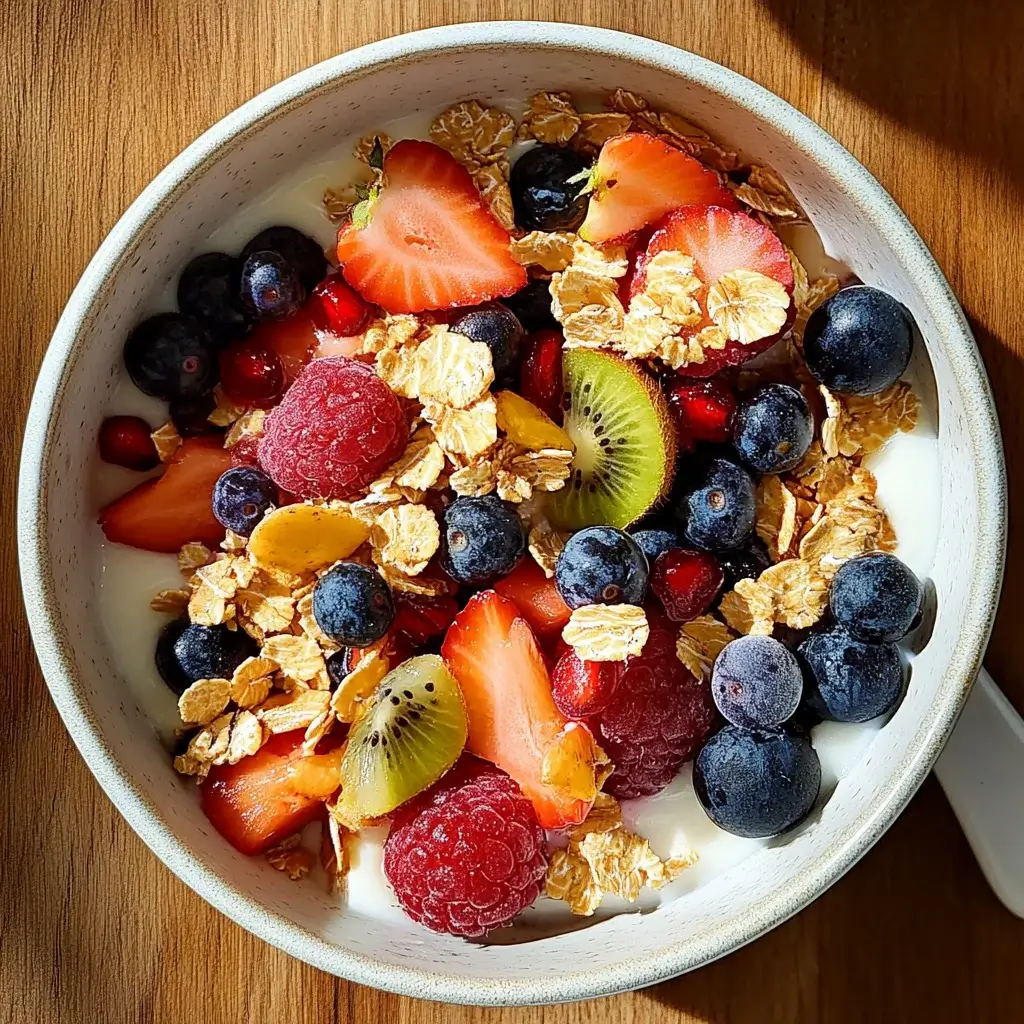
In our fast-paced lives, breakfast often becomes an afterthought, a rushed affair of grabbing whatever is quickest and easiest. But what if I told you that the simplest breakfasts can also be the most delightful and nourishing? Enter: Cereal with Fresh Fruit. Now, I know what you might be thinking – “Cereal and fruit? Groundbreaking.” But trust me, this isn’t just about throwing some Cheerios and berries in a bowl. It’s about the symphony of textures, the burst of natural sweetness, and the sheer vibrant energy it brings to your morning. In my household, this has become a beloved staple. From busy weekday mornings when time is of the essence to lazy weekend brunches where we savor every moment, a bowl of cereal with fresh fruit never fails to satisfy. Even my pickiest eater, who usually turns up their nose at anything remotely healthy, devours this with gusto. There’s something undeniably appealing about the crisp cereal, the juicy fruit, and the cool milk that just hits the spot. It’s a breakfast that feels both wholesome and indulgent, a perfect way to kickstart your day with a smile. And honestly, in a world of complicated recipes and trends, sometimes the best meals are the ones that are beautifully, unapologetically simple.
Ingredients for Refreshing Cereal with Fresh Fruit
This recipe is wonderfully flexible, allowing you to use your favorite cereals and fruits. Here’s a guide to get you started:
Your Choice of Cereal (1-2 cups per serving): Opt for a cereal you enjoy. Whole grain options like flakes, loops, or puffed cereals provide fiber and sustained energy. Consider cereals with minimal added sugar for a healthier choice.
Fresh Fruit (1-2 cups per serving, mixed): This is where the magic happens! Choose a variety of seasonal fruits for the best flavor and nutritional benefits.
- Berries (strawberries, blueberries, raspberries, blackberries): Bursting with antioxidants and natural sweetness. Strawberries are usually sliced, blueberries are used whole, raspberries and blackberries can be halved or left whole depending on size.
- Bananas: Provide potassium and a creamy texture. Slice them just before serving to prevent browning.
- Apples or Pears: Offer crispness and fiber. Choose varieties like Fuji, Honeycrisp, or Gala apples, and Anjou or Bartlett pears. Core and dice them into small pieces.
- Peaches or Nectarines: Bring a juicy, summery sweetness. Pit and slice or dice them.
- Grapes (red or green): Add a refreshing pop of flavor and hydration. Halve larger grapes.
- Melon (watermelon, cantaloupe, honeydew): Light and hydrating, perfect for warmer weather. Cube or use a melon baller for fun shapes.
- Kiwi: Tangy and vibrant, packed with Vitamin C. Peel and slice or dice.
- Oranges or Clementines: Citrusy and refreshing. Segment them or dice the flesh.
Milk or Dairy-Free Alternative (1/2 – 1 cup per serving): Choose your preferred milk.
- Dairy Milk (whole, 2%, skim): Provides calcium and protein.
- Almond Milk: Low in calories and lactose-free, with a slightly nutty flavor.
- Soy Milk: A good source of protein and lactose-free, with a creamy texture.
- Oat Milk: Naturally sweet and creamy, with a subtle oat flavor.
- Coconut Milk (beverage, not canned): Adds a tropical touch, with a richer flavor.
Optional Toppings (for extra flavor and texture):
- Nuts and Seeds (1-2 tablespoons) (almonds, walnuts, chia seeds, flax seeds, pumpkin seeds): Add healthy fats, protein, and crunch.
- Honey or Maple Syrup (1-2 teaspoons or a drizzle): For a touch of extra sweetness, if desired.
- Yogurt (2-4 tablespoons) (plain or flavored): Adds creaminess and probiotics. Greek yogurt boosts protein content.
- Cinnamon or Nutmeg (a sprinkle, approx. 1/4 teaspoon): Warm spices that complement fruit and cereal.
- Shredded Coconut (1 tablespoon): Adds sweetness and tropical flavor.
Instructions: Assembling Your Perfect Bowl of Cereal with Fresh Fruit
This recipe is less about cooking and more about assembly, making it incredibly quick and easy.
- Prepare the Fruit: Wash all fresh fruit thoroughly under cool running water. This removes any dirt or residue.
- Cut the Fruit: Depending on the type of fruit, prepare it accordingly.
- Berries: Hull strawberries and slice them. Leave blueberries, raspberries, and blackberries whole or halve them if large.
- Bananas: Peel and slice bananas into rounds. Slice them just before serving to prevent browning.
- Apples and Pears: Core apples and pears. Dice them into small, bite-sized pieces. You can leave the skin on for extra fiber, or peel if preferred.
- Peaches and Nectarines: Pit peaches and nectarines. Slice or dice them into pieces.
- Grapes: Wash grapes and remove them from the stems. Halve larger grapes.
- Melon: Cut melon in half, scoop out seeds, and remove the rind. Cube the melon flesh or use a melon baller to create decorative spheres.
- Kiwi: Peel kiwi fruit. Slice into rounds or dice into pieces.
- Oranges and Clementines: Peel oranges or clementines. Segment them by separating the sections, or dice the flesh after peeling.
- Choose Your Cereal: Select your favorite cereal. For a healthier option, choose whole grain cereals with low added sugar. Measure out your desired portion size (typically 1-2 cups).
- Assemble the Bowl:
- Cereal First (Traditional): Place the cereal in a bowl.
- Fruit First (Layered Approach): For a more visually appealing bowl, or to prevent cereal from getting soggy too quickly, you can layer the fruit at the bottom of the bowl, then add the cereal on top.
- Add the Fruit: Arrange the prepared fresh fruit on top of the cereal in an attractive manner. Mix different fruits together for variety in flavor and texture.
- Pour Milk or Dairy-Free Alternative: Pour your choice of milk or dairy-free alternative over the cereal and fruit. Add enough to reach your desired consistency. Some prefer a milky bowl, while others like just a splash.
- Optional Toppings (Enhance the Flavor and Texture): If desired, sprinkle on any optional toppings. Nuts and seeds add crunch and healthy fats. A drizzle of honey or maple syrup adds extra sweetness. Yogurt adds creaminess and protein. A sprinkle of cinnamon or nutmeg adds warmth. Shredded coconut adds a tropical flavor.
- Serve Immediately: Enjoy your refreshing bowl of cereal with fresh fruit right away for the best texture and flavor. If you prefer a colder breakfast, you can chill the fruit and milk beforehand.
Nutrition Facts: A Wholesome and Energizing Breakfast
(Nutritional information is approximate and will vary based on specific cereal, fruit, and milk choices. The following is an estimate per serving using 1 cup of whole grain flakes cereal, 1 cup mixed berries, and 1 cup of 2% milk.)
- Serving Size: 1 bowl (approx. 2-2.5 cups)
- Calories per Serving: Approximately 300-400 calories
- Protein: 10-15 grams
- Vitamin C: High (from berries and fruit)
This breakfast is a good source of carbohydrates for energy, protein for satiety, fiber for digestion, and various vitamins and minerals from the fruit and milk. It’s a balanced and nutritious way to start your day.
Preparation Time: Quick and Effortless
- Prep Time: 10-15 minutes (primarily for washing and cutting fruit)
- Total Time: 10-15 minutes
Cereal with fresh fruit is one of the quickest breakfasts you can prepare. The majority of the time is spent washing and preparing the fruit. Once the fruit is ready, assembly takes just minutes. This makes it ideal for busy mornings when you need a nutritious breakfast in a hurry. You can even prep the fruit the night before and store it in airtight containers in the refrigerator to save even more time in the morning.
How to Serve Cereal with Fresh Fruit: Versatile and Enjoyable
Cereal with fresh fruit is incredibly versatile and can be enjoyed in various ways:
- Classic Breakfast Bowl: The most common way to serve it – in a simple bowl, perfect for a quick and easy morning meal.
- Brunch Delight: Elevate it for brunch by layering it in parfait glasses. Alternate layers of cereal, yogurt, and fruit for a beautiful and elegant presentation.
- Summer Refresher: Serve chilled on a hot summer day. Use cold milk or even frozen fruit for an extra cooling effect.
- Kid-Friendly Fun: Let kids assemble their own bowls, choosing their favorite cereals and fruits. Cut fruit into fun shapes using cookie cutters.
- Dessert-Inspired Treat: Use a sweeter cereal and add a dollop of whipped cream or a drizzle of chocolate syrup for a healthier dessert alternative.
- Portable Breakfast: Layer cereal, fruit, and yogurt in a jar or container for a grab-and-go breakfast you can take to work or school.
- Themed Bowls: Create themed bowls based on fruit combinations, like a “Tropical Bowl” with mango, pineapple, and coconut, or a “Berry Blast” with strawberries, blueberries, and raspberries.
- With Warm Milk (Optional): For colder months, gently warm the milk before pouring it over the cereal and fruit for a comforting and cozy breakfast.
Additional Tips for the Best Cereal with Fresh Fruit
To take your cereal with fresh fruit to the next level, consider these helpful tips:
- Choose Ripe, Seasonal Fruit: The flavor of your breakfast will be greatly enhanced by using fresh, ripe, and seasonal fruits. Fruits that are in season are typically more flavorful and often more affordable.
- Variety is Key: Mix and match different types of fruit for a wider range of flavors, textures, and nutrients. A combination of berries, bananas, and melon, for example, offers a great balance.
- Don’t Let the Cereal Get Soggy: To prevent cereal from becoming soggy, add the milk just before serving. Layering fruit at the bottom can also help. If you prefer softer cereal, let it sit in the milk for a minute or two before adding fruit.
- Consider the Cereal-Fruit Pairing: Think about how the flavors of the cereal and fruit will complement each other. For example, a slightly sweet cereal pairs well with tart berries, while a plain cereal allows the fruit flavors to shine.
- Get Creative with Toppings: Experiment with different toppings to add extra flavor and texture. Nuts, seeds, yogurt, honey, spices, and even a sprinkle of granola can elevate your bowl.
- Prep Fruit Ahead of Time: Save time on busy mornings by washing and cutting fruit the night before. Store prepared fruit in airtight containers in the refrigerator to keep it fresh.
- Adjust Sweetness to Your Preference: If you prefer a sweeter breakfast, choose a slightly sweeter cereal or add a drizzle of honey or maple syrup. For a less sweet option, opt for unsweetened cereal and rely on the natural sweetness of the fruit.
- Make it Kid-Friendly: Involve kids in the process of choosing fruits and cereals. Cut fruit into fun shapes. Offer a variety of toppings and let them customize their own bowls to encourage them to eat more fruit.
Frequently Asked Questions (FAQ) about Cereal with Fresh Fruit
Q1: Can I use frozen fruit instead of fresh fruit?
A: Yes, frozen fruit can be a convenient and budget-friendly option, especially when fresh fruit is out of season. Berries, peaches, and mangoes freeze particularly well. You can add frozen fruit directly to your cereal, and it will thaw slightly in the milk, or you can thaw it beforehand. Keep in mind that frozen fruit may release some water as it thaws, which can make the milk slightly thinner.
Q2: What are some good cereal options for this recipe?
A: The best cereal options are whole grain cereals with minimal added sugar. Good choices include:
- Whole grain flakes: Wheat flakes, corn flakes (look for low-sugar varieties), bran flakes.
- Oat-based cereals: Oat loops, oat squares, plain granola (in moderation due to calorie density).
- Puffed cereals: Puffed wheat, puffed rice (unsweetened).
- Shredded wheat: Provides fiber and a mild flavor.
- Multigrain cereals: Look for options with a good fiber content and low sugar.
Avoid highly sugary cereals as they can detract from the natural sweetness of the fruit and contribute to a less healthy breakfast.
Q3: Can I make cereal with fruit ahead of time?
A: It’s best to assemble cereal with fresh fruit just before serving to prevent the cereal from becoming soggy. However, you can prep the components ahead of time. Wash and cut fruit and store it in airtight containers in the refrigerator. You can also pre-portion cereal into containers. Then, in the morning, it’s just a matter of assembling the bowls.
Q4: Is cereal with fresh fruit a healthy breakfast?
A: Yes, cereal with fresh fruit can be a very healthy breakfast option, especially when you choose whole grain cereals, fresh fruit, and low-fat milk or dairy-free alternatives. It provides fiber, vitamins, minerals, antioxidants, and carbohydrates for energy. To maximize the health benefits, choose cereals with minimal added sugar and focus on a variety of colorful fruits.
Q5: What if I don’t like milk? What else can I use?
A: If you don’t like milk, there are many other liquid options you can use:
- Yogurt: Plain yogurt (dairy or dairy-free) adds creaminess and protein. You can thin it out with a little water or milk if desired.
- Fruit Juice: Orange juice, apple juice, or grape juice can add sweetness and flavor.
- Water: While less traditional, water can be used as a liquid base, especially if you want to minimize calories or prefer a lighter breakfast.
- Kefir: A fermented milk drink similar to yogurt, provides probiotics and a slightly tangy flavor.
Q6: Can I add nuts or seeds if I have allergies?
A: If you have nut or seed allergies, it’s essential to omit them. Always check ingredient labels carefully for any potential allergens in your cereal and milk alternatives. You can still add other toppings for texture and flavor, such as shredded coconut (if no coconut allergy), cinnamon, or a drizzle of honey (if no honey allergy).
Q7: How can I make cereal with fresh fruit more filling?
A: To make your breakfast more filling and keep you satisfied longer, you can:
- Choose a higher-fiber cereal: Bran flakes, shredded wheat, or whole grain granola are good options.
- Add protein: Include Greek yogurt, nuts, seeds, or a scoop of protein powder (mixed into the milk or yogurt).
- Increase the fruit portion: Adding more fruit will increase the fiber and nutrient content and can help you feel fuller.
- Include healthy fats: Nuts and seeds provide healthy fats that contribute to satiety.
Q8: Can I use canned fruit instead of fresh fruit?
A: While fresh fruit is generally preferred for its flavor and nutritional value, you can use canned fruit in a pinch. Choose canned fruit packed in its own juice or light syrup, rather than heavy syrup, to minimize added sugar. Drain and rinse canned fruit before adding it to your cereal to remove excess syrup. Keep in mind that canned fruit may be softer in texture than fresh fruit.
Print
Cereal with Fresh Fruit
Ingredients
This recipe is wonderfully flexible, allowing you to use your favorite cereals and fruits. Here’s a guide to get you started:
- Your Choice of Cereal (1-2 cups per serving): Opt for a cereal you enjoy. Whole grain options like flakes, loops, or puffed cereals provide fiber and sustained energy. Consider cereals with minimal added sugar for a healthier choice.
- Fresh Fruit (1-2 cups per serving, mixed): This is where the magic happens! Choose a variety of seasonal fruits for the best flavor and nutritional benefits.
- Berries (strawberries, blueberries, raspberries, blackberries): Bursting with antioxidants and natural sweetness. Strawberries are usually sliced, blueberries are used whole, raspberries and blackberries can be halved or left whole depending on size.
- Bananas: Provide potassium and a creamy texture. Slice them just before serving to prevent browning.
- Apples or Pears: Offer crispness and fiber. Choose varieties like Fuji, Honeycrisp, or Gala apples, and Anjou or Bartlett pears. Core and dice them into small pieces.
- Peaches or Nectarines: Bring a juicy, summery sweetness. Pit and slice or dice them.
- Grapes (red or green): Add a refreshing pop of flavor and hydration. Halve larger grapes.
- Melon (watermelon, cantaloupe, honeydew): Light and hydrating, perfect for warmer weather. Cube or use a melon baller for fun shapes.
- Kiwi: Tangy and vibrant, packed with Vitamin C. Peel and slice or dice.
- Oranges or Clementines: Citrusy and refreshing. Segment them or dice the flesh.
- Milk or Dairy-Free Alternative (1/2 – 1 cup per serving): Choose your preferred milk.
- Dairy Milk (whole, 2%, skim): Provides calcium and protein.
- Almond Milk: Low in calories and lactose-free, with a slightly nutty flavor.
- Soy Milk: A good source of protein and lactose-free, with a creamy texture.
- Oat Milk: Naturally sweet and creamy, with a subtle oat flavor.
- Coconut Milk (beverage, not canned): Adds a tropical touch, with a richer flavor.
- Optional Toppings (for extra flavor and texture):
- Nuts and Seeds (almonds, walnuts, chia seeds, flax seeds, pumpkin seeds): Add healthy fats, protein, and crunch.
- Honey or Maple Syrup (a drizzle): For a touch of extra sweetness, if desired.
- Yogurt (plain or flavored): Adds creaminess and probiotics. Greek yogurt boosts protein content.
- Cinnamon or Nutmeg (a sprinkle): Warm spices that complement fruit and cereal.
- Shredded Coconut: Adds sweetness and tropical flavor.
Instructions
This recipe is less about cooking and more about assembly, making it incredibly quick and easy.
- Prepare the Fruit: Wash all fresh fruit thoroughly under cool running water. This removes any dirt or residue.
- Cut the Fruit: Depending on the type of fruit, prepare it accordingly.
- Berries: Hull strawberries and slice them. Leave blueberries, raspberries, and blackberries whole or halve them if large.
- Bananas: Peel and slice bananas into rounds. Slice them just before serving to prevent browning.
- Apples and Pears: Core apples and pears. Dice them into small, bite-sized pieces. You can leave the skin on for extra fiber, or peel if preferred.
- Peaches and Nectarines: Pit peaches and nectarines. Slice or dice them into pieces.
- Grapes: Wash grapes and remove them from the stems. Halve larger grapes.
- Melon: Cut melon in half, scoop out seeds, and remove the rind. Cube the melon flesh or use a melon baller to create decorative spheres.
- Kiwi: Peel kiwi fruit. Slice into rounds or dice into pieces.
- Oranges and Clementines: Peel oranges or clementines. Segment them by separating the sections, or dice the flesh after peeling.
- Choose Your Cereal: Select your favorite cereal. For a healthier option, choose whole grain cereals with low added sugar. Measure out your desired portion size (typically 1-2 cups).
- Assemble the Bowl:
- Cereal First (Traditional): Place the cereal in a bowl.
- Fruit First (Layered Approach): For a more visually appealing bowl, or to prevent cereal from getting soggy too quickly, you can layer the fruit at the bottom of the bowl, then add the cereal on top.
- Add the Fruit: Arrange the prepared fresh fruit on top of the cereal in an attractive manner. Mix different fruits together for variety in flavor and texture.
- Pour Milk or Dairy-Free Alternative: Pour your choice of milk or dairy-free alternative over the cereal and fruit. Add enough to reach your desired consistency. Some prefer a milky bowl, while others like just a splash.
- Optional Toppings (Enhance the Flavor and Texture): If desired, sprinkle on any optional toppings. Nuts and seeds add crunch and healthy fats. A drizzle of honey or maple syrup adds extra sweetness. Yogurt adds creaminess and protein. A sprinkle of cinnamon or nutmeg adds warmth. Shredded coconut adds a tropical flavor.
- Serve Immediately: Enjoy your refreshing bowl of cereal with fresh fruit right away for the best texture and flavor. If you prefer a colder breakfast, you can chill the fruit and milk beforehand.
Nutrition
- Serving Size: one normal portion
- Calories: 400
- Protein: 15 grams