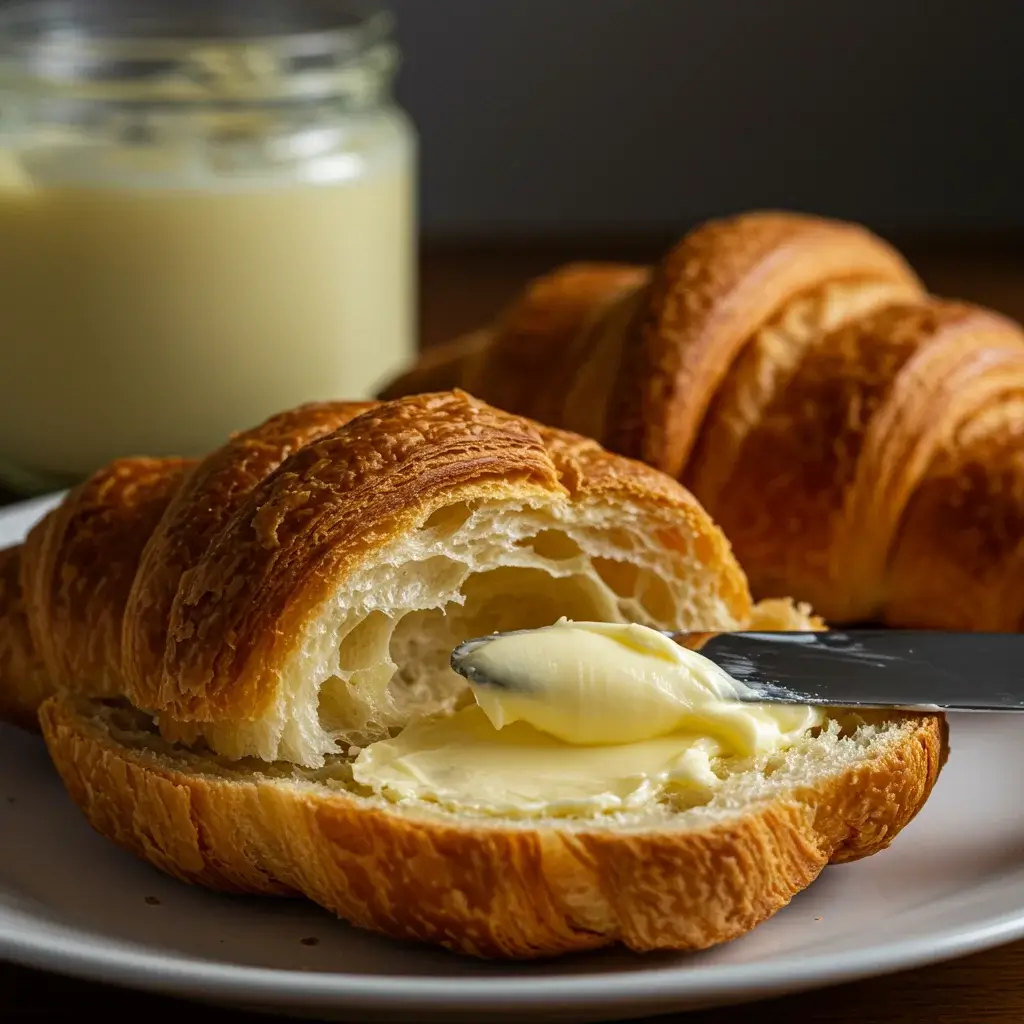
Croissants have long held a place as a beloved staple in breakfast spreads around the world, and their appeal is timeless. The buttery, flaky layers of a well-made croissant are a delightful experience for the senses. In this article, we delve into the art of creating the perfect classic buttered croissant spread, providing you with everything you need to know to bring a touch of French elegance to your table.
Ingredients
To create the perfect buttered croissant spread, you will need high-quality ingredients that bring out the best flavors in your croissants. Here’s what you’ll need:
- Croissants: Freshly baked, preferably from a local bakery or homemade.
- Unsalted Butter: High-quality butter is key.
- Sea Salt: A pinch to enhance the butter’s flavor.
- Optional Additions:
- Honey or Jam
- Sliced Almonds
- Fresh Berries
Instructions
Creating a classic buttered croissant spread can be a rewarding experience. Follow these steps to ensure you achieve the perfect result:
Preparing the Butter
- Soften the Butter: Remove the butter from the refrigerator and let it sit at room temperature until it is soft enough to spread easily.
- Season the Butter: Add a pinch of sea salt to the softened butter and mix well. This enhances the flavor of the butter and complements the croissant’s sweetness.
- Optional Flavoring: If desired, mix in a tablespoon of honey or jam to the butter for a sweet variation.
Preparing the Croissants
- Preheat the Oven: Set your oven to 350°F (175°C).
- Warm the Croissants: Place the croissants on a baking sheet and warm them in the oven for about 5 minutes. This step revives the croissants, making them crisp and fragrant.
- Slice the Croissants: Carefully slice the croissants in half horizontally using a serrated knife.
Assembling the Spread
- Spread the Butter: Generously spread the seasoned butter on the inside of each croissant half. Be sure to cover the entire surface for maximum flavor.
- Add Optional Toppings: If using, sprinkle sliced almonds or place fresh berries on top of the buttered croissant halves.
- Serve Immediately: Arrange the buttered croissants on a serving platter and present them while they are still warm.
Nutrition Facts
Understanding the nutritional content of your classic buttered croissant spread can help you enjoy this treat responsibly. Below is an approximate nutritional breakdown per serving (one buttered croissant):
- Calories: 280-320 kcal
- Total Fat: 18-22g
- Cholesterol: 45-55mg
- Sodium: 200-250mg
Note: Nutritional values can vary depending on the specific ingredients used.
How to Serve
The classic buttered croissant spread is not only a delightful treat in itself but also offers a multitude of serving options that can elevate any meal or gathering. Its flaky, buttery texture and rich flavor make it a versatile component in various dining settings. Here are some comprehensive serving suggestions to inspire you, ensuring that your croissant experience is both enjoyable and memorable:
Breakfast Feast
Begin your day with a sumptuous breakfast by incorporating buttered croissants into a well-rounded meal. Here are some ideas to elevate your breakfast spread:
- Accompaniments: Pair your croissants with a vibrant selection of fresh fruits, such as juicy berries, sliced bananas, or tropical fruits like mango and pineapple. These not only add color to your plate but also provide natural sweetness and essential vitamins.
- Dairy Delights: Include a variety of yogurts—opt for Greek yogurt for its creaminess or flavored yogurts for a hint of sweetness. You can also set out toppings like granola, honey, and chia seeds to allow guests to customize their yogurt.
- Beverage Pairing: Complement the buttery croissants with freshly brewed coffee, rich espresso, or a soothing cup of tea. For a refreshing twist, consider serving smoothies or fresh orange juice, which can provide a lively contrast to the buttery flavor of the croissants.
- Savory Options: Enhance the breakfast experience by including scrambled eggs or an egg casserole. The richness of the eggs pairs beautifully with the light, flaky croissants, creating a balanced meal.
Brunch Setting
Transform your croissant into the centerpiece of an elegant brunch spread, perfect for gatherings or special occasions:
- Gourmet Pairings: Serve the buttered croissants alongside a selection of high-quality smoked salmon, which adds a luxurious touch. You can enhance the experience with some cream cheese, capers, and fresh dill for those who enjoy a classic bagel-and-lox vibe.
- Cheese and Charcuterie: Create a stunning charcuterie board that includes an assortment of cheeses—from tangy goat cheese to creamy brie. Add cured meats like prosciutto and salami, along with olives and marinated vegetables. This combination allows guests to mix and match flavors, enhancing the overall experience.
- Salads and Sides: Consider adding a light salad, such as a mixed greens salad with a citrus vinaigrette, to provide freshness and balance. You could also include savory pastries or frittatas for additional heartiness.
- Beverages: Offer a selection of sparkling waters, mimosas, or bloody marys to create a festive atmosphere. A variety of teas and coffees should also be made available, catering to different tastes.
Afternoon Tea
Elevate your afternoon tea experience with buttered croissants as a featured item:
- Tea Selection: Choose a variety of high-quality teas, such as Earl Grey, Darjeeling, and herbal infusions. Provide guests with the option to enjoy their tea with milk, sugar, or lemon, allowing for a personalized touch.
- Pastry Assortment: Complement the croissants with a selection of other pastries, such as delicate scones with clotted cream and jam, macarons in various flavors, and mini tarts or éclairs. This variety not only looks visually appealing but also caters to different palates.
- Savory Treats: Include finger sandwiches filled with cucumber, smoked chicken, or egg salad. These will balance the sweetness of the pastries and provide a savory contrast to the buttery croissants.
- Ambiance: Set the scene with elegant tableware, fresh flowers, and soft music to create a sophisticated atmosphere. This attention to detail will enhance the overall experience and make your afternoon tea truly special.
In conclusion, the classic buttered croissant spread is not just a standalone treat; it is a versatile addition to various dining experiences. Whether you are hosting a breakfast feast, an elegant brunch, or an afternoon tea, the way you serve croissants can significantly enhance the occasion, making it a memorable gathering for all.
Additional Tips
Additional Tips for the Perfect Buttered Croissant Experience
Creating the perfect buttered croissant spread is not just about slathering butter on a flaky pastry; it’s an art that can be enhanced with some thoughtful techniques. Here, we delve into a series of tips that will elevate your croissant experience to new heights:
Choose Quality Butter
The type of butter you use can significantly impact the flavor and texture of your buttered croissant. Opt for European-style butter, which typically contains about 82% to 85% milk fat compared to the 80% found in standard butters. This higher fat content not only provides a creamier texture but also contributes to a more pronounced buttery flavor that complements the flaky layers of the croissant. If possible, look for butter with a cultured variety, as the fermentation process adds depth and richness to the taste.
Experiment with Flavors
While traditional butter is delicious, there is a world of flavor waiting to be explored. Infusing your butter with various herbs, spices, or other ingredients can create a unique and delightful twist. Here are a few ideas to get you started:
- Herb-Infused Butter: Gently heat unsalted butter and add fresh herbs such as thyme, rosemary, or basil. Allow the mixture to cool and strain out the herbs before using. This infused butter can work wonders on warm croissants, adding a fresh and aromatic touch.
- Cinnamon or Vanilla Butter: Mix softened butter with a dash of cinnamon or vanilla extract for a sweet and comforting flavor profile. This is particularly delightful when paired with a croissant enjoyed at breakfast or brunch.
- Spicy Variations: Consider incorporating a pinch of chili powder or smoked paprika into your butter for a subtle heat that contrasts beautifully with the buttery sweetness of the croissant.
Homemade Croissants
If you’re feeling adventurous and want to take your croissant experience to the next level, consider making your croissants from scratch. While it may seem daunting, the process can be incredibly rewarding and allows you to control every aspect of the recipe. Here’s a brief overview of what to consider:
- Dough Preparation: Start with a good quality recipe that emphasizes the importance of cold ingredients and proper lamination (the process of folding and rolling the dough with butter to create layers). This will ensure that your croissants are light, airy, and flaky.
- Resting Time: Allow the dough to rest adequately during the lamination process. This is crucial for gluten relaxation, which ultimately leads to a better texture.
- Baking Techniques: Preheat your oven to the right temperature and consider using a baking stone or steel for even heat distribution. This will help achieve a perfectly golden and crispy exterior while maintaining a soft and buttery interior.
Storage Tips
To ensure that your buttered croissants remain delicious even after they’ve cooled, proper storage is essential. Here are some effective storage tips:
- Airtight Container: Store leftover buttered croissants in an airtight container at room temperature. This prevents moisture from making them soggy while maintaining their flakiness.
- Reheating: When you’re ready to enjoy your croissants again, avoid using the microwave, as it can make them chewy. Instead, preheat your oven to 350°F (175°C) and heat the croissants for about 5-7 minutes, or until they are warmed through and the outer crust is crispy again. If you want to enhance the buttery flavor, consider adding a thin layer of butter on top before reheating.
By following these tips, you’ll not only create a delightful buttered croissant spread but also elevate your overall baking and tasting experience, transforming a simple pastry into a gourmet treat. Whether you choose to experiment with flavors, make croissants from scratch, or store them perfectly, each step will contribute to the ultimate enjoyment of this beloved delicacy.
FAQs
Q1: Can I use salted butter instead of unsalted butter?
A1: Yes, you can use salted butter. However, you may want to omit additional salt to avoid an overly salty flavor.
Q2: Can I prepare the butter mixture in advance?
A2: Absolutely! You can prepare the seasoned butter up to a week in advance and store it in the refrigerator. Allow it to soften at room temperature before spreading.
Q3: What is the best way to reheat croissants?
A3: The best way to reheat croissants is in the oven at 350°F (175°C) for a few minutes until they are warm and crispy.
Q4: Are there dairy-free alternatives for this recipe?
A4: Yes, you can use plant-based butter alternatives to make this recipe dairy-free. Look for options with a similar fat content to real butter for best results.
Conclusion
The classic buttered croissant spread is not just a simple addition to your breakfast table; it represents a culinary tradition that has captured the hearts (and taste buds) of people around the globe. This delightful dish embodies the essence of a luxurious breakfast or brunch experience, making it an ideal choice for both casual family meals and elegant gatherings. By prioritizing high-quality ingredients and meticulous preparation, you can elevate this seemingly simple dish into something truly extraordinary.
When selecting your ingredients, consider sourcing fresh, artisanal croissants from a local bakery, where you can find the perfect balance of flaky texture and buttery flavor. The croissant is the star of the show, and its quality will significantly impact the overall experience. Pair your chosen croissants with premium unsalted butter, which not only enhances the rich flavor but also allows for greater control over the saltiness of the dish. For an added layer of sophistication, consider using flavored butters, such as herb-infused or honey-whipped varieties, to create a unique twist that excites the palate.
The preparation of your buttered croissants can be as simple or as elaborate as you choose. A straightforward approach involves gently warming the croissants in the oven to achieve that perfect melt-in-your-mouth quality, while also allowing the butter to soften just enough to spread effortlessly. For those looking to impress, consider toasting the croissants on a skillet with a touch of olive oil for a contrasting crunch, or even adding a sprinkle of sea salt or fresh herbs on top to enhance the flavor profile.
When it comes to serving, presentation plays a vital role in creating an impressive dining experience. Arrange your buttered croissants on a beautiful platter alongside an array of accompaniments. Seasonal fruits, artisanal jams, or even a selection of gourmet cheeses can add color and variety to the table, inviting your guests to indulge in a delightful spread. Furthermore, pairing the croissants with freshly brewed coffee, specialty teas, or even a sparkling beverage can elevate the entire meal from merely enjoyable to an unforgettable experience.
The beauty of the classic buttered croissant spread lies in its versatility. You can easily adapt and experiment with flavors to suit your personal taste or to match the theme of your gathering. Incorporating sweet toppings, such as fresh berries, a drizzle of chocolate, or a dusting of powdered sugar, can transform your croissants into a decadent dessert-like offering. Alternatively, savory additions like smoked salmon, avocado, or a poached egg can create a more substantial dish that appeals to those preferring a heartier meal.
Ultimately, the joy of creating and savoring buttered croissants extends beyond just the food itself; it is about the experience of sharing these moments with loved ones. Whether it’s a lazy Sunday morning or a celebratory brunch, taking the time to prepare and enjoy this timeless treat allows you to connect with family and friends in a meaningful way. So, as you embark on your culinary journey with buttered croissants, don’t shy away from experimenting with flavors and presentations. Each bite is an opportunity to make the experience uniquely yours, ensuring that your guests leave with not only satisfied appetites but also cherished memories of a delightful gathering.
Print
Classic Buttered Croissant Spread
Ingredients
To create the perfect buttered croissant spread, you will need high-quality ingredients that bring out the best flavors in your croissants. Here’s what you’ll need:
- Croissants: Freshly baked, preferably from a local bakery or homemade.
- Unsalted Butter: High-quality butter is key.
- Sea Salt: A pinch to enhance the butter’s flavor.
- Optional Additions:
- Honey or Jam
- Sliced Almonds
- Fresh Berries
Instructions
Creating a classic buttered croissant spread can be a rewarding experience. Follow these steps to ensure you achieve the perfect result:
Preparing the Butter
- Soften the Butter: Remove the butter from the refrigerator and let it sit at room temperature until it is soft enough to spread easily.
- Season the Butter: Add a pinch of sea salt to the softened butter and mix well. This enhances the flavor of the butter and complements the croissant’s sweetness.
- Optional Flavoring: If desired, mix in a tablespoon of honey or jam to the butter for a sweet variation.
Preparing the Croissants
- Preheat the Oven: Set your oven to 350°F (175°C).
- Warm the Croissants: Place the croissants on a baking sheet and warm them in the oven for about 5 minutes. This step revives the croissants, making them crisp and fragrant.
- Slice the Croissants: Carefully slice the croissants in half horizontally using a serrated knife.
Assembling the Spread
- Spread the Butter: Generously spread the seasoned butter on the inside of each croissant half. Be sure to cover the entire surface for maximum flavor.
- Add Optional Toppings: If using, sprinkle sliced almonds or place fresh berries on top of the buttered croissant halves.
- Serve Immediately: Arrange the buttered croissants on a serving platter and present them while they are still warm.
Nutrition
- Serving Size: one normal portion
- Calories: 320
- Sodium: 250mg
- Fat: 22g
- Cholesterol: 55mg