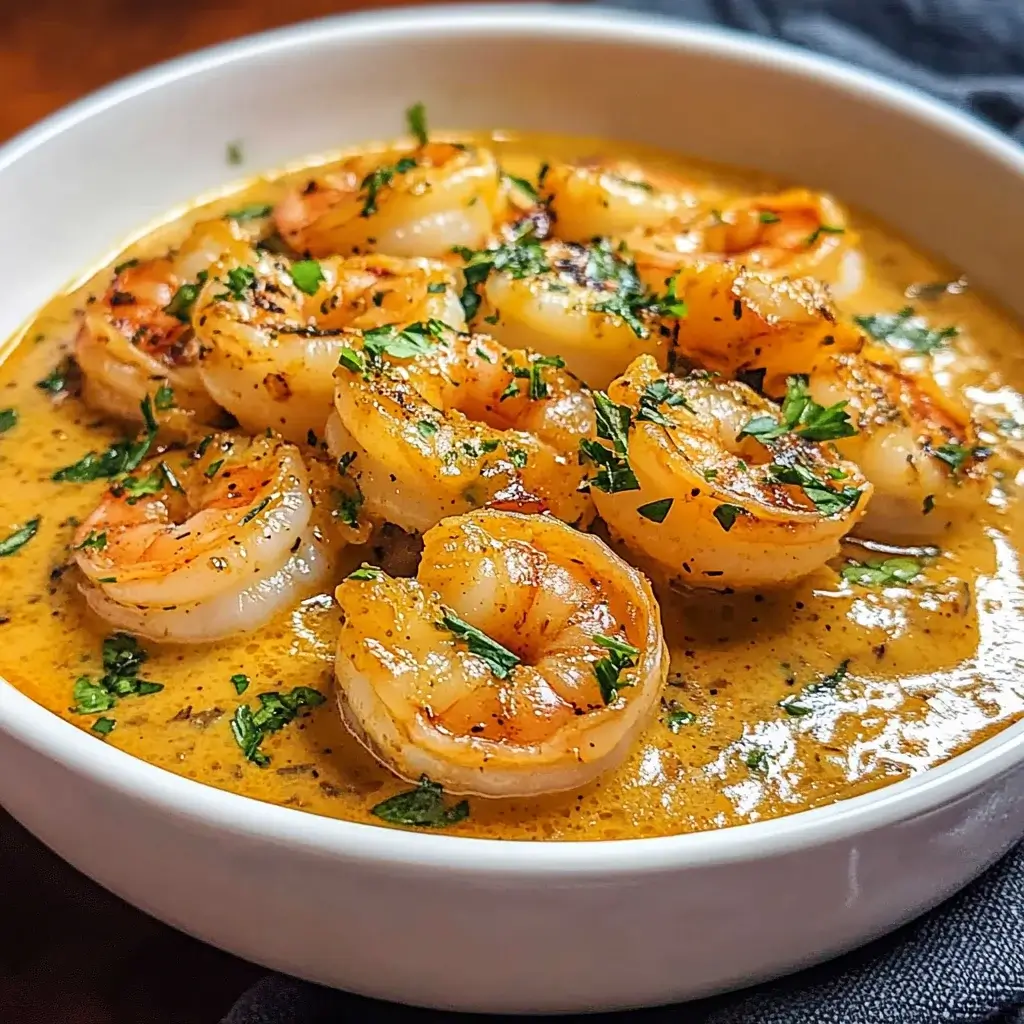
There are some dishes that just have a magical ability to bring everyone to the table, and for my family, Coconut Curry Shrimp is absolutely one of them. From the moment the fragrant aroma of simmering coconut milk, ginger, and garlic starts wafting through the house, anticipation builds. It’s a dish that’s both exotic and comforting, vibrant and deeply satisfying. I first stumbled upon a version of this recipe years ago, and after countless tweaks and taste tests, I’ve landed on what I believe is the perfect balance of creamy coconut richness, spicy curry warmth, and succulent shrimp sweetness. Even my picky eaters, who usually shy away from anything remotely “spicy,” devour this curry with gusto, scooping up every last drop of the flavorful sauce with rice. It’s become a weeknight staple, a dinner party showstopper, and honestly, a dish I crave even just thinking about. If you’re looking for a recipe that’s guaranteed to impress, is surprisingly easy to make, and will transport your taste buds to a tropical paradise, then look no further. This Coconut Curry Shrimp is about to become your new favorite too.
Ingredients for Coconut Curry Shrimp
This recipe uses a blend of fresh and pantry-staple ingredients to create a vibrant and flavorful curry. Here’s what you’ll need:
- Shrimp: 1.5 lbs, peeled and deveined. Choose large or jumbo shrimp for the best texture and visual appeal. Fresh or frozen (thawed) shrimp both work beautifully.
- Coconut Milk: 2 cans (13.5 oz each), full-fat. Full-fat coconut milk is crucial for the rich, creamy texture and authentic flavor of the curry.
- Onion: 1 medium, chopped. Yellow or white onion provides a foundational savory base for the curry.
- Garlic: 4 cloves, minced. Fresh garlic is essential for its pungent aroma and flavor that infuses the curry.
- Ginger: 1 tablespoon, grated or minced. Fresh ginger adds a warm, spicy, and slightly citrusy note that complements the curry spices.
- Red Bell Pepper: 1, sliced. Adds sweetness, color, and a slight crunch to the curry. You can also use other bell peppers like yellow or orange.
- Green Peas: 1 cup, frozen. Adds a pop of sweetness, color, and texture. You can substitute with other vegetables like snap peas or edamame.
- Red Curry Paste: 2-3 tablespoons. Red curry paste is the heart of the curry flavor, providing a complex blend of spices, chilies, and aromatics. Adjust the amount to your spice preference.
- Fish Sauce: 2 tablespoons. Adds a savory umami depth to the curry, enhancing the overall flavor profile. Don’t worry, it won’t make the curry taste fishy!
- Brown Sugar: 1 tablespoon. Balances the savory and spicy notes, adding a touch of sweetness and depth. You can also use coconut sugar or honey.
- Lime Juice: 2 tablespoons, fresh. Fresh lime juice brightens the curry with acidity and citrusy notes, finishing the flavors beautifully.
- Cilantro: Fresh, chopped, for garnish. Fresh cilantro adds a vibrant, herbaceous freshness and visual appeal as a garnish.
- Vegetable Oil: 2 tablespoons. Used for sautéing the aromatics and vegetables. Coconut oil can also be used for a richer coconut flavor.
- Salt and Pepper: To taste. Essential for seasoning and enhancing all the flavors in the curry.
- Optional: Red pepper flakes for extra heat, lime wedges for serving, chopped peanuts or cashews for garnish.
Instructions for Making Coconut Curry Shrimp
Follow these simple steps to create a restaurant-quality Coconut Curry Shrimp dish in your own kitchen:
- Prepare the Shrimp: If using frozen shrimp, ensure it’s fully thawed. Pat the shrimp dry with paper towels. This helps them sear nicely and prevents excess moisture in the pan. Season the shrimp lightly with salt and pepper. Set aside.
- Sauté Aromatics: Heat vegetable oil in a large skillet or wok over medium heat. Add the chopped onion and cook until softened, about 3-5 minutes. Stir occasionally to prevent burning. You want the onion to become translucent and fragrant.
- Add Garlic and Ginger: Add the minced garlic and grated ginger to the skillet. Cook for another minute, stirring constantly, until fragrant but not browned. Garlic and ginger can burn easily, so keep a close eye and stir frequently. The aroma will be wonderfully pungent at this stage.
- Introduce Red Curry Paste: Add the red curry paste to the skillet. Cook for 1-2 minutes, stirring constantly, until fragrant and slightly darkened. This step is crucial for “blooming” the spices in the curry paste, releasing their full flavor potential. The paste should become very aromatic and slightly darker in color.
- Pour in Coconut Milk: Pour in both cans of full-fat coconut milk into the skillet. Stir well to combine the curry paste with the coconut milk, ensuring there are no clumps of paste remaining. The mixture will become a beautiful creamy orange-red color.
- Simmer the Sauce: Bring the coconut milk mixture to a gentle simmer. Reduce the heat to low and let it simmer for 5-7 minutes, stirring occasionally. Simmering allows the flavors to meld together and deepen. The sauce will thicken slightly as it simmers.
- Add Bell Pepper and Peas: Add the sliced red bell pepper and frozen green peas to the simmering sauce. Cook for 3-5 minutes, or until the bell pepper is slightly softened but still has a bit of a bite, and the peas are heated through. You want to retain some texture in the vegetables.
- Incorporate Shrimp: Add the seasoned shrimp to the skillet. Stir gently to ensure the shrimp are submerged in the curry sauce. Cook for 3-5 minutes, or until the shrimp are pink, opaque, and cooked through. Be careful not to overcook the shrimp, as they can become rubbery. They should turn from translucent to pink and curl slightly when cooked.
- Season with Fish Sauce, Brown Sugar, and Lime Juice: Stir in the fish sauce and brown sugar. Taste and adjust seasoning with salt and pepper as needed. Finally, stir in the fresh lime juice. These final touches balance the flavors and add brightness and depth. Taste the curry and adjust the seasoning to your liking – you may want more salt, sweetness, or lime juice.
- Garnish and Serve: Remove from heat. Garnish with fresh cilantro. Serve hot over cooked rice, quinoa, or noodles. Optional garnishes include red pepper flakes for extra heat, lime wedges for squeezing over the curry, and chopped peanuts or cashews for added texture and flavor.
Nutrition Facts for Coconut Curry Shrimp
This nutritional information is an estimate and can vary based on specific ingredients and portion sizes.
- Serving Size: Approximately 1.5 cups
- Servings Per Recipe: 4-6
- Calories Per Serving: Approximately 450-550 kcal
- Protein: 30-35g
Note: These values are estimations and can change depending on ingredient brands, specific curry paste used, and serving sizes. For more precise nutritional information, use a nutrition calculator and input the exact brands and quantities of ingredients used.
Preparation Time for Coconut Curry Shrimp
This recipe is surprisingly quick and easy to prepare, making it perfect for weeknight dinners.
- Prep Time: 15-20 minutes (This includes chopping vegetables, mincing garlic and ginger, and prepping the shrimp)
- Cook Time: 20-25 minutes (This includes sautéing aromatics, simmering the sauce, and cooking the shrimp and vegetables)
- Total Time: Approximately 35-45 minutes (From start to finish, you can have this delicious curry on the table in under 45 minutes!)
This speedy preparation time makes Coconut Curry Shrimp an ideal choice for busy weeknights when you want a flavorful and healthy meal without spending hours in the kitchen. The majority of the time is spent simmering, allowing the flavors to develop beautifully while you can attend to other tasks.
How to Serve Coconut Curry Shrimp
Coconut Curry Shrimp is a versatile dish that pairs wonderfully with a variety of accompaniments. Here are some delicious ways to serve it:
- Rice:
- Jasmine Rice: The classic choice! Its fragrant aroma and slightly sticky texture perfectly complement the creamy curry sauce.
- Basmati Rice: Long-grain and fluffy, basmati rice is another excellent option that soaks up the curry beautifully.
- Brown Rice: For a healthier option, brown rice offers a nutty flavor and extra fiber.
- Cauliflower Rice: For a low-carb alternative, cauliflower rice provides a light and healthy base.
- Noodles:
- Rice Noodles: Wide rice noodles, like pad thai noodles, are fantastic for soaking up the curry sauce.
- Egg Noodles: Soft egg noodles offer a comforting and satisfying pairing.
- Udon Noodles: Thick and chewy udon noodles are another delicious option.
- Sides and Garnishes:
- Fresh Cilantro: A must-have garnish! Adds freshness and a pop of green.
- Lime Wedges: Squeeze fresh lime juice over the curry just before serving to brighten the flavors.
- Red Pepper Flakes: For those who like extra heat, sprinkle red pepper flakes on top.
- Chopped Peanuts or Cashews: Add a crunchy texture and nutty flavor with chopped peanuts or cashews.
- Naan Bread or Roti: Serve with warm naan bread or roti for dipping into the flavorful sauce.
- Steamed Vegetables: Serve alongside steamed broccoli, bok choy, or green beans for a complete and balanced meal.
- Salad: A simple side salad with a light vinaigrette can provide a refreshing contrast to the richness of the curry.
Additional Tips for Perfect Coconut Curry Shrimp
Elevate your Coconut Curry Shrimp with these helpful tips and tricks:
- Don’t Overcook the Shrimp: Shrimp cook very quickly. Overcooked shrimp become rubbery and tough. Cook them just until they turn pink and opaque, usually 3-5 minutes.
- Use Full-Fat Coconut Milk: Full-fat coconut milk is essential for the creamy texture and rich flavor of authentic coconut curry. Light coconut milk will result in a thinner, less flavorful sauce.
- Bloom the Curry Paste: Sautéing the curry paste in oil before adding the coconut milk is crucial. This “blooms” the spices, releasing their full aroma and flavor, resulting in a more complex and delicious curry.
- Adjust Spice Level: Red curry paste can vary in spiciness. Start with 2 tablespoons and taste as you go. You can always add more curry paste or red pepper flakes for extra heat, or use a milder curry paste if you prefer less spice.
- Fresh is Best (When Possible): While pantry staples are convenient, using fresh ginger, garlic, and lime juice will significantly enhance the flavor of your curry.
- Deglaze the Pan (Optional): After sautéing the onions, garlic, and ginger, you can deglaze the pan with a splash of chicken broth or white wine before adding the curry paste. This will lift up any flavorful browned bits from the bottom of the pan and add extra depth to the sauce.
- Customize Your Vegetables: Feel free to add other vegetables you enjoy, such as sliced mushrooms, baby corn, spinach, or zucchini. Adjust cooking times accordingly, adding heartier vegetables earlier and leafy greens towards the end.
- Make it Vegetarian/Vegan: Easily adapt this recipe to be vegetarian or vegan by substituting the shrimp with firm tofu (pressed and cubed), chickpeas, or extra vegetables like cauliflower florets or sweet potato chunks. Ensure your fish sauce is replaced with a vegetarian or vegan alternative like soy sauce or tamari for umami flavor.
Frequently Asked Questions (FAQ) About Coconut Curry Shrimp
Here are some common questions people have when making Coconut Curry Shrimp:
Q1: Can I use frozen shrimp?
A: Yes, absolutely! Frozen shrimp is perfectly fine. Just make sure to thaw it completely before cooking and pat it dry with paper towels to remove excess moisture.
Q2: I don’t have red curry paste. Can I use a different type?
A: Yes, you can substitute with green curry paste or yellow curry paste. Red curry paste is generally spicier and more chili-based, while green curry paste is typically herbier and slightly milder, and yellow curry paste is often milder and sweeter. The flavor profile will change slightly depending on the type of curry paste you use, but it will still be delicious.
Q3: Can I make this curry ahead of time?
A: Yes, you can prepare the curry sauce ahead of time (up to 2-3 days) and store it in the refrigerator. However, it’s best to cook the shrimp fresh just before serving to avoid overcooking and rubbery texture. You can reheat the sauce and then add the shrimp to cook through.
Q4: Is coconut curry shrimp spicy?
A: It can be, depending on the amount of red curry paste you use and the spiciness of your curry paste. Red curry paste generally has a moderate spice level. You can adjust the spice level to your preference by using less curry paste or adding a pinch of red pepper flakes for extra heat.
Q5: What if I don’t like fish sauce? Is there a substitute?
A: Fish sauce adds a unique umami depth to the curry, but you can substitute it with soy sauce or tamari (for gluten-free) for a similar savory flavor. You can also use a vegetarian fish sauce alternative available in many Asian grocery stores or online.
Q6: Can I use light coconut milk instead of full-fat?
A: While you can use light coconut milk, the curry will be less creamy and rich. Full-fat coconut milk is recommended for the best flavor and texture in coconut curry. If you use light coconut milk, you may need to simmer the sauce for a longer time to thicken it slightly.
Q7: What’s the best way to store leftover coconut curry shrimp?
A: Store leftover coconut curry shrimp in an airtight container in the refrigerator for up to 3 days. Reheat gently on the stovetop or in the microwave until heated through. Be mindful that shrimp can become slightly tougher when reheated.
Q8: Can I freeze coconut curry shrimp?
A: While you can freeze coconut curry shrimp, the texture of the coconut milk and shrimp may change slightly upon thawing. Coconut milk can sometimes separate or become grainy after freezing. If freezing, allow the curry to cool completely, then store in freezer-safe containers for up to 2-3 months. Thaw overnight in the refrigerator and reheat gently. It’s generally best to enjoy it fresh for optimal texture and flavor.
Coconut Curry Shrimp Recipe
Ingredients
This recipe uses a blend of fresh and pantry-staple ingredients to create a vibrant and flavorful curry. Here’s what you’ll need:
- Shrimp: 1.5 lbs, peeled and deveined. Choose large or jumbo shrimp for the best texture and visual appeal. Fresh or frozen (thawed) shrimp both work beautifully.
- Coconut Milk: 2 cans (13.5 oz each), full-fat. Full-fat coconut milk is crucial for the rich, creamy texture and authentic flavor of the curry.
- Onion: 1 medium, chopped. Yellow or white onion provides a foundational savory base for the curry.
- Garlic: 4 cloves, minced. Fresh garlic is essential for its pungent aroma and flavor that infuses the curry.
- Ginger: 1 tablespoon, grated or minced. Fresh ginger adds a warm, spicy, and slightly citrusy note that complements the curry spices.
- Red Bell Pepper: 1, sliced. Adds sweetness, color, and a slight crunch to the curry. You can also use other bell peppers like yellow or orange.
- Green Peas: 1 cup, frozen. Adds a pop of sweetness, color, and texture. You can substitute with other vegetables like snap peas or edamame.
- Red Curry Paste: 2-3 tablespoons. Red curry paste is the heart of the curry flavor, providing a complex blend of spices, chilies, and aromatics. Adjust the amount to your spice preference.
- Fish Sauce: 2 tablespoons. Adds a savory umami depth to the curry, enhancing the overall flavor profile. Don’t worry, it won’t make the curry taste fishy!
- Brown Sugar: 1 tablespoon. Balances the savory and spicy notes, adding a touch of sweetness and depth. You can also use coconut sugar or honey.
- Lime Juice: 2 tablespoons, fresh. Fresh lime juice brightens the curry with acidity and citrusy notes, finishing the flavors beautifully.
- Cilantro: Fresh, chopped, for garnish. Fresh cilantro adds a vibrant, herbaceous freshness and visual appeal as a garnish.
- Vegetable Oil: 2 tablespoons. Used for sautéing the aromatics and vegetables. Coconut oil can also be used for a richer coconut flavor.
- Salt and Pepper: To taste. Essential for seasoning and enhancing all the flavors in the curry.
- Optional: Red pepper flakes for extra heat, lime wedges for serving, chopped peanuts or cashews for garnish.
Instructions
Follow these simple steps to create a restaurant-quality Coconut Curry Shrimp dish in your own kitchen:
- Prepare the Shrimp: If using frozen shrimp, ensure it’s fully thawed. Pat the shrimp dry with paper towels. This helps them sear nicely and prevents excess moisture in the pan. Season the shrimp lightly with salt and pepper. Set aside.
- Sauté Aromatics: Heat vegetable oil in a large skillet or wok over medium heat. Add the chopped onion and cook until softened, about 3-5 minutes. Stir occasionally to prevent burning. You want the onion to become translucent and fragrant.
- Add Garlic and Ginger: Add the minced garlic and grated ginger to the skillet. Cook for another minute, stirring constantly, until fragrant but not browned. Garlic and ginger can burn easily, so keep a close eye and stir frequently. The aroma will be wonderfully pungent at this stage.
- Introduce Red Curry Paste: Add the red curry paste to the skillet. Cook for 1-2 minutes, stirring constantly, until fragrant and slightly darkened. This step is crucial for “blooming” the spices in the curry paste, releasing their full flavor potential. The paste should become very aromatic and slightly darker in color.
- Pour in Coconut Milk: Pour in both cans of full-fat coconut milk into the skillet. Stir well to combine the curry paste with the coconut milk, ensuring there are no clumps of paste remaining. The mixture will become a beautiful creamy orange-red color.
- Simmer the Sauce: Bring the coconut milk mixture to a gentle simmer. Reduce the heat to low and let it simmer for 5-7 minutes, stirring occasionally. Simmering allows the flavors to meld together and deepen. The sauce will thicken slightly as it simmers.
- Add Bell Pepper and Peas: Add the sliced red bell pepper and frozen green peas to the simmering sauce. Cook for 3-5 minutes, or until the bell pepper is slightly softened but still has a bit of a bite, and the peas are heated through. You want to retain some texture in the vegetables.
- Incorporate Shrimp: Add the seasoned shrimp to the skillet. Stir gently to ensure the shrimp are submerged in the curry sauce. Cook for 3-5 minutes, or until the shrimp are pink, opaque, and cooked through. Be careful not to overcook the shrimp, as they can become rubbery. They should turn from translucent to pink and curl slightly when cooked.
- Season with Fish Sauce, Brown Sugar, and Lime Juice: Stir in the fish sauce and brown sugar. Taste and adjust seasoning with salt and pepper as needed. Finally, stir in the fresh lime juice. These final touches balance the flavors and add brightness and depth. Taste the curry and adjust the seasoning to your liking – you may want more salt, sweetness, or lime juice.
- Garnish and Serve: Remove from heat. Garnish with fresh cilantro. Serve hot over cooked rice, quinoa, or noodles. Optional garnishes include red pepper flakes for extra heat, lime wedges for squeezing over the curry, and chopped peanuts or cashews for added texture and flavor.
Nutrition
- Serving Size: one normal portion
- Calories: 550
- Protein: 35g