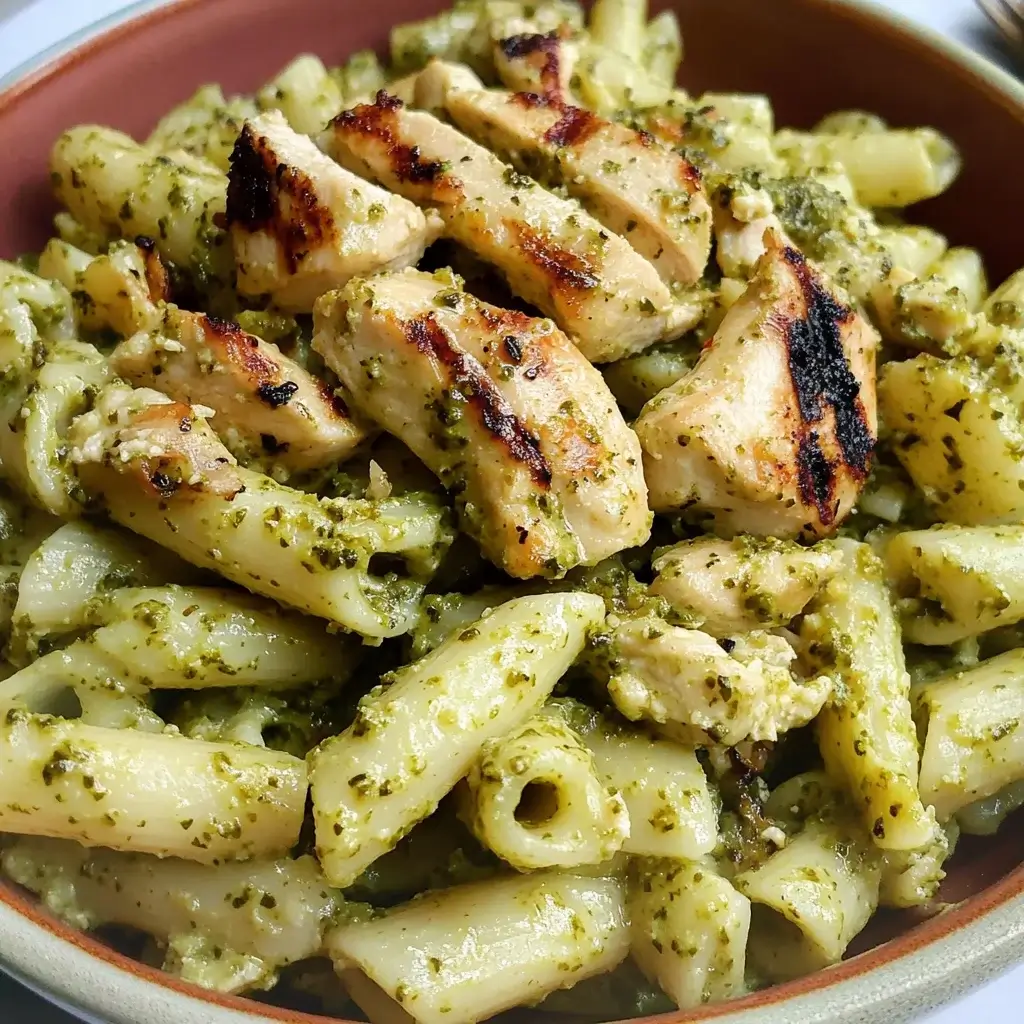
After a blustery Easter weekend, seeking comfort and vibrant flavors, I stumbled upon this Easter Pesto Pasta with Grilled Chicken recipe. Let me tell you, it was a revelation! The bright green pesto, studded with tender asparagus and sweet peas, felt like a true celebration of spring on a plate. The grilled chicken added a smoky depth that perfectly complemented the fresh, herbaceous pasta. Even my picky eaters, who usually turn their noses up at anything green, devoured it. The empty plates and happy murmurs around the table were all the proof I needed – this recipe is a winner, and it’s definitely going into our Easter rotation, and honestly, probably our regular weeknight meals too! It’s easy enough for a weeknight but elegant enough for a special occasion, making it a truly versatile dish.
Ingredients
- Pasta: 1 pound of your favorite pasta shape, such as penne, fusilli, or farfalle. Choose a pasta with ridges to better hold the pesto sauce.
- Fresh Basil Pesto: 1 cup, either homemade or high-quality store-bought. The star of the dish, providing vibrant flavor and a beautiful green hue.
- Grilled Chicken Breast: 2 large chicken breasts, grilled and sliced. Provides a lean protein and a smoky flavor contrast to the fresh pesto.
- Asparagus: 1 pound, trimmed and cut into 1-inch pieces. Adds a delicate spring flavor and a pleasant crunch.
- Sweet Peas: 1 cup, fresh or frozen (thawed if frozen). Brings sweetness and another pop of spring green to the dish.
- Cherry Tomatoes: 1 pint, halved. Adds juicy bursts of sweetness and acidity to balance the richness of the pesto.
- Parmesan Cheese: ½ cup, grated, plus extra for serving. Enhances the savory notes and adds a salty, nutty finish.
- Olive Oil: 2 tablespoons. Used for grilling the chicken and sautéing the vegetables if desired.
- Salt and Black Pepper: To taste. Essential for seasoning and enhancing all the flavors.
- Lemon Juice: 1 tablespoon (optional). A squeeze of lemon brightens the dish and cuts through the richness.
- Pine Nuts or Toasted Almonds: ¼ cup (optional). Adds a nutty crunch and texture to the pasta.
Instructions
- Cook the Pasta: Bring a large pot of salted water to a boil. Add the pasta and cook according to package directions until al dente. Reserve about ½ cup of pasta water before draining. Drain the pasta and set aside.
- Grill the Chicken: While the pasta is cooking, prepare the chicken. Preheat a grill to medium-high heat. Lightly brush the chicken breasts with olive oil and season with salt and pepper. Grill for 5-7 minutes per side, or until cooked through and no longer pink inside. Let the chicken rest for a few minutes, then slice or dice it into bite-sized pieces. Alternatively, you can pan-sear the chicken on the stovetop if you don’t have a grill.
- Prepare the Vegetables: While the chicken is grilling and pasta is cooking, prepare the asparagus and peas. You can quickly blanch the asparagus for 2-3 minutes in boiling water to brighten its color and soften it slightly, then immediately plunge it into ice water to stop the cooking process. Alternatively, you can sauté the asparagus and peas in a pan with a little olive oil over medium heat for 5-7 minutes until tender-crisp. If using frozen peas, thaw them completely before adding to the dish.
- Combine Ingredients: In a large bowl, combine the cooked pasta, pesto, grilled chicken, asparagus, sweet peas, and halved cherry tomatoes. Toss gently to coat everything evenly with the pesto sauce.
- Adjust Consistency (if needed): If the pasta seems a little dry, add a splash of the reserved pasta water to loosen the sauce and create a creamier consistency. Start with a tablespoon or two and add more as needed until you reach your desired sauce consistency.
- Add Cheese and Lemon (optional): Stir in the grated Parmesan cheese and lemon juice (if using). Taste and adjust seasoning with salt and pepper as needed.
- Serve: Serve immediately, garnished with extra Parmesan cheese and toasted pine nuts or almonds, if desired. This dish can be served warm or at room temperature, making it perfect for Easter gatherings and spring picnics.
Nutrition Facts
(Per Serving, estimates based on 6 servings, using 4 oz grilled chicken breast per serving, and store-bought pesto. Nutritional values can vary based on specific ingredients and portion sizes.)
- Serving Size: 1.5 cups (approximate)
- Calories: 550-650 kcal
- Protein: 35-45g
Preparation Time
- Prep Time: 20 minutes (includes chopping vegetables, preparing chicken for grilling)
- Cook Time: 25 minutes (includes pasta cooking and chicken grilling time)
- Total Time: 45 minutes (a relatively quick and easy meal perfect for busy weeknights or Easter gatherings)
How to Serve Easter Pesto Pasta with Grilled Chicken
This vibrant pasta dish is incredibly versatile and can be served in various ways, making it suitable for different occasions. Here are some serving suggestions:
- As a Main Course: Serve generous portions of the pasta as a satisfying and complete meal. It’s perfect for a light yet fulfilling Easter lunch or dinner.
- Alongside a Salad: Pair the pasta with a fresh green salad or a Caprese salad for a balanced and colorful meal. The salad’s lightness complements the richness of the pesto pasta.
- With Crusty Bread: Serve with warm, crusty bread, such as garlic bread or focaccia, for soaking up the delicious pesto sauce.
- As a Side Dish: This pasta can also be served as a vibrant side dish alongside roasted lamb, ham, or fish, especially for a larger Easter feast.
- Hot or Cold: Enjoy it warm immediately after cooking for a comforting meal, or serve it at room temperature for picnics, potlucks, or make-ahead lunches. It tastes delicious both ways!
- Garnishes: Enhance the presentation and flavor with extra garnishes:
- Fresh Basil Leaves: Sprinkle fresh basil leaves on top for added aroma and visual appeal.
- Toasted Pine Nuts or Almonds: Add a sprinkle of toasted nuts for a delightful crunch and nutty flavor.
- Red Pepper Flakes: For those who like a little heat, a pinch of red pepper flakes adds a subtle spicy kick.
- Lemon Wedges: Offer lemon wedges on the side for guests to squeeze extra lemon juice over their pasta if desired.
Additional Tips for the Best Easter Pesto Pasta
To elevate your Easter Pesto Pasta with Grilled Chicken to the next level, consider these helpful tips:
- Homemade Pesto is Best (If You Have Time): While store-bought pesto is convenient, homemade pesto truly shines in this dish. The fresh basil flavor is significantly brighter and more vibrant. If you have a food processor, making pesto is surprisingly easy and takes only minutes. Consider using fresh spring herbs like parsley or mint in addition to basil for a unique twist.
- Don’t Overcook the Pasta: Al dente pasta is crucial for the best texture. It should be firm to the bite, not mushy. Overcooked pasta will become soggy and lose its appeal when combined with the pesto sauce. Follow the package directions carefully and test for doneness a minute or two before the recommended time.
- Use High-Quality Pesto: If using store-bought pesto, opt for a high-quality brand that uses fresh basil, good olive oil, and Parmesan cheese. Avoid brands with excessive preservatives or artificial flavors. Taste the pesto before adding it to the pasta and adjust seasoning if needed.
- Blanch or Sauté Asparagus for Optimal Texture: Raw asparagus can be a bit tough. Blanching briefly or sautéing it brings out its flavor and creates a more tender-crisp texture that complements the pasta perfectly. Don’t overcook it; it should still have a slight bite.
- Add Other Spring Vegetables: Feel free to customize this recipe with other seasonal spring vegetables. Artichoke hearts, fava beans, snap peas, or even roasted spring onions would be delicious additions. Roast or grill vegetables like zucchini or bell peppers for a different flavor profile.
- Marinate the Chicken for Extra Flavor: For even more flavorful grilled chicken, marinate it for at least 30 minutes (or up to overnight) before grilling. A simple marinade of olive oil, lemon juice, garlic, and herbs will infuse the chicken with extra moisture and taste.
- Make it Vegetarian or Vegan: To make this dish vegetarian, simply omit the grilled chicken. To make it vegan, use vegan pesto (many store-bought vegan pestos are available, or you can easily make your own using nutritional yeast instead of Parmesan cheese) and omit the Parmesan cheese topping. You can add roasted chickpeas or white beans for protein.
- Make Ahead and Store: The pesto pasta can be made ahead of time and stored in the refrigerator for up to 2 days. However, it’s best to add the cherry tomatoes and Parmesan cheese just before serving to maintain their freshness. The grilled chicken is best cooked fresh, but you can grill it a day ahead and store it separately in the refrigerator. Reheat gently or serve at room temperature.
FAQ About Easter Pesto Pasta with Grilled Chicken
Q1: Can I use frozen pesto for this recipe?
A: Yes, you can use frozen pesto. Thaw it completely before using and ensure to drain any excess water that might have accumulated during thawing. Fresh pesto will always offer a brighter flavor, but frozen pesto is a convenient alternative, especially if you’ve made a large batch and preserved it.
Q2: What other types of pasta would work well in this dish?
A: While penne, fusilli, and farfalle are excellent choices, other pasta shapes that hold pesto well include rotini, cavatappi, and shells (conchiglie). Longer pasta shapes like spaghetti or linguine can also be used, but the pesto may coat them less effectively than shorter, ridged shapes.
Q3: Can I make this recipe without grilling the chicken?
A: Absolutely! If you don’t have a grill or prefer not to grill, you can pan-sear the chicken breasts in a skillet on the stovetop. You can also bake the chicken in the oven or even use shredded rotisserie chicken for a quicker option. The key is to have cooked chicken that’s flavorful and tender.
Q4: Is it necessary to blanch the asparagus?
A: Blanching the asparagus is not strictly necessary, but it is recommended to improve its texture and color. Blanching brightens the green color and makes the asparagus tender-crisp, which is more appealing in this pasta dish. If you prefer a more pronounced asparagus flavor and slightly firmer texture, you can skip blanching and sauté it for a bit longer.
Q5: Can I add nuts to the pesto pasta if I have nut allergies?
A: If you have nut allergies, you should omit the pine nuts or almonds that are often included in pesto recipes. You can still make delicious pesto without nuts. Consider using sunflower seeds or pumpkin seeds as a nut-free alternative for a similar textural element. Always double-check the ingredients of store-bought pesto to ensure it is nut-free.
Q6: How long does leftover Easter Pesto Pasta last in the refrigerator?
A: Leftover Easter Pesto Pasta with Grilled Chicken can be stored in an airtight container in the refrigerator for up to 3 days. The pasta is best enjoyed within the first day or two, as the pesto and pasta may lose some of their vibrant flavors and texture over time. Reheat gently in the microwave or on the stovetop with a little extra olive oil or pasta water if needed to loosen the sauce.
Q7: Can I make this dish spicier?
A: Yes, you can easily add a touch of spice to this dish. Stir in a pinch of red pepper flakes when you add the pesto to the pasta, or garnish individual servings with extra red pepper flakes. You could also use a pesto that already has a spicy kick, such as a Calabrian chili pesto.
Q8: Can I make this recipe dairy-free?
A: Making this recipe dairy-free is possible with a few substitutions. Use a vegan pesto, which typically omits Parmesan cheese. Many store-bought vegan pestos are available, or you can make your own using nutritional yeast to mimic the cheesy flavor. Omit the Parmesan cheese garnish and consider using a sprinkle of toasted breadcrumbs for texture instead. Ensure your pasta is also dairy-free (most are).
Print
Easter Pesto Pasta with Grilled Chicken
Ingredients
- Pasta: 1 pound of your favorite pasta shape, such as penne, fusilli, or farfalle. Choose a pasta with ridges to better hold the pesto sauce.
- Fresh Basil Pesto: 1 cup, either homemade or high-quality store-bought. The star of the dish, providing vibrant flavor and a beautiful green hue.
- Grilled Chicken Breast: 2 large chicken breasts, grilled and sliced. Provides a lean protein and a smoky flavor contrast to the fresh pesto.
- Asparagus: 1 pound, trimmed and cut into 1-inch pieces. Adds a delicate spring flavor and a pleasant crunch.
- Sweet Peas: 1 cup, fresh or frozen (thawed if frozen). Brings sweetness and another pop of spring green to the dish.
- Cherry Tomatoes: 1 pint, halved. Adds juicy bursts of sweetness and acidity to balance the richness of the pesto.
- Parmesan Cheese: ½ cup, grated, plus extra for serving. Enhances the savory notes and adds a salty, nutty finish.
- Olive Oil: 2 tablespoons. Used for grilling the chicken and sautéing the vegetables if desired.
- Salt and Black Pepper: To taste. Essential for seasoning and enhancing all the flavors.
- Lemon Juice: 1 tablespoon (optional). A squeeze of lemon brightens the dish and cuts through the richness.
- Pine Nuts or Toasted Almonds: ¼ cup (optional). Adds a nutty crunch and texture to the pasta.
Instructions
- Cook the Pasta: Bring a large pot of salted water to a boil. Add the pasta and cook according to package directions until al dente. Reserve about ½ cup of pasta water before draining. Drain the pasta and set aside.
- Grill the Chicken: While the pasta is cooking, prepare the chicken. Preheat a grill to medium-high heat. Lightly brush the chicken breasts with olive oil and season with salt and pepper. Grill for 5-7 minutes per side, or until cooked through and no longer pink inside. Let the chicken rest for a few minutes, then slice or dice it into bite-sized pieces. Alternatively, you can pan-sear the chicken on the stovetop if you don’t have a grill.
- Prepare the Vegetables: While the chicken is grilling and pasta is cooking, prepare the asparagus and peas. You can quickly blanch the asparagus for 2-3 minutes in boiling water to brighten its color and soften it slightly, then immediately plunge it into ice water to stop the cooking process. Alternatively, you can sauté the asparagus and peas in a pan with a little olive oil over medium heat for 5-7 minutes until tender-crisp. If using frozen peas, thaw them completely before adding to the dish.
- Combine Ingredients: In a large bowl, combine the cooked pasta, pesto, grilled chicken, asparagus, sweet peas, and halved cherry tomatoes. Toss gently to coat everything evenly with the pesto sauce.
- Adjust Consistency (if needed): If the pasta seems a little dry, add a splash of the reserved pasta water to loosen the sauce and create a creamier consistency. Start with a tablespoon or two and add more as needed until you reach your desired sauce consistency.
- Add Cheese and Lemon (optional): Stir in the grated Parmesan cheese and lemon juice (if using). Taste and adjust seasoning with salt and pepper as needed.
- Serve: Serve immediately, garnished with extra Parmesan cheese and toasted pine nuts or almonds, if desired. This dish can be served warm or at room temperature, making it perfect for Easter gatherings and spring picnics.
Nutrition
- Serving Size: one normal portion
- Calories: 650
- Protein: 45g