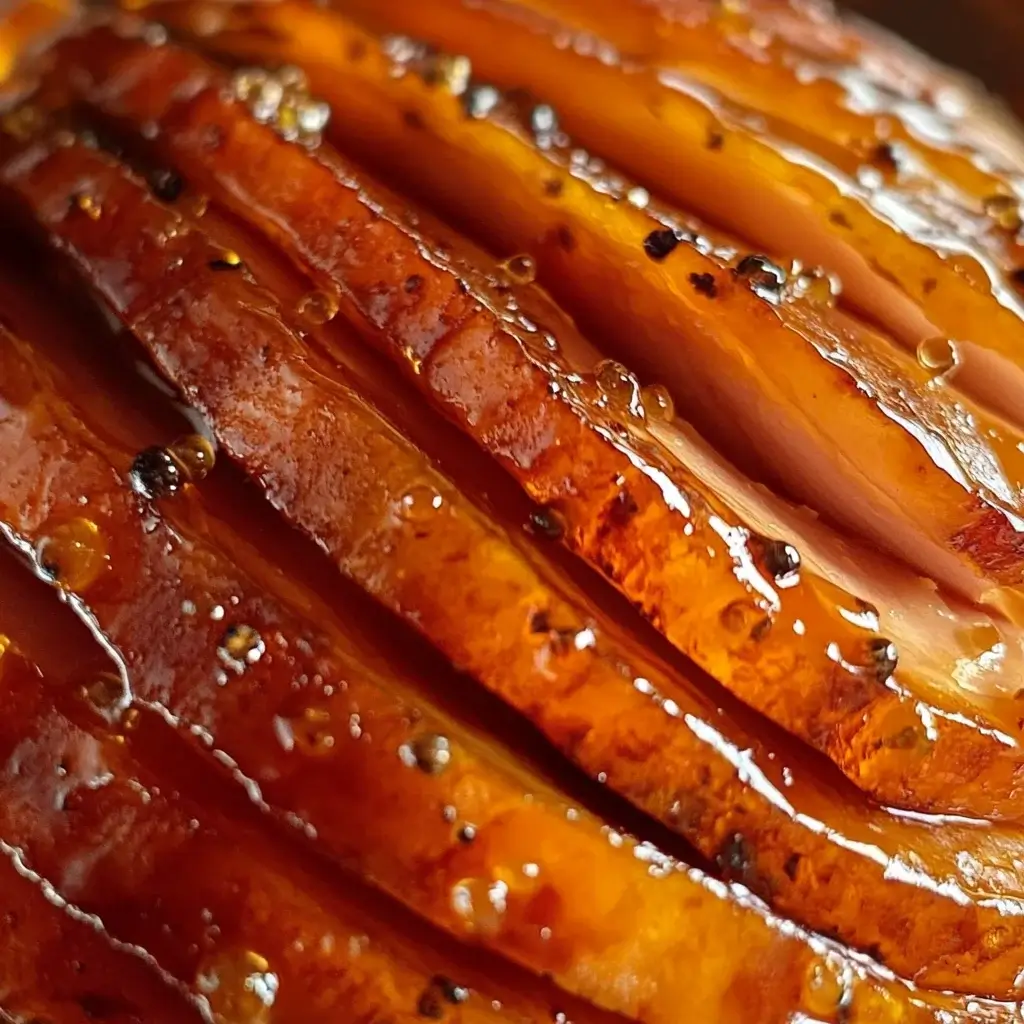
Oh, the memories this Honey-Glazed Hickory Ham recipe brings back! Every holiday season, our family table groans under the weight of delicious dishes, but this ham? This is always the undisputed star. I remember the first time I made it – the aroma of smoky hickory and sweet honey filled the house, drawing everyone into the kitchen like moths to a flame. The glaze, oh that glaze! It’s sticky, sweet, and perfectly caramelized, creating a beautiful contrast to the savory ham. Even my pickiest eater, my nephew who usually survives on air and crackers, devoured slices, proclaiming it “the best ham ever.” Since then, it’s become a non-negotiable part of our festive feasts, and honestly, it’s so easy to make that I look forward to it every single year. If you’re looking for a show-stopping centerpiece that’s guaranteed to impress without requiring hours in the kitchen, look no further. This Honey-Glazed Hickory Ham is your answer.
Ingredients for a Perfect Honey-Glazed Hickory Ham
To create this culinary masterpiece, you’ll need just a handful of high-quality ingredients. Each component plays a crucial role in building layers of flavor and ensuring a moist, tender, and utterly irresistible ham.
- Hickory Smoked Ham (Bone-in or Boneless, about 8-10 lbs): The star of the show! Opt for a pre-cooked, hickory-smoked ham for that authentic smoky flavor. Bone-in hams are generally more flavorful and moist, but boneless hams are easier to carve. Choose whichever you prefer based on your carving skills and flavor preference. A ham in this weight range will comfortably serve a crowd and provide delicious leftovers.
- Honey (1 cup): The magic ingredient for the glaze. Use a good quality honey, as its flavor will shine through. Clover honey offers a mild sweetness, while buckwheat or wildflower honey will provide a more robust and complex flavor profile.
- Dijon Mustard (1/4 cup): Adds a tangy depth that balances the sweetness of the honey and cuts through the richness of the ham. Dijon mustard’s sharpness is key – avoid using mild yellow mustard for this recipe.
- Apple Cider Vinegar (1/4 cup): Provides a touch of acidity that brightens the glaze and helps tenderize the ham. Apple cider vinegar also contributes to the glaze’s beautiful sheen and caramelization.
- Brown Sugar (1/4 cup, packed): Adds molasses notes and deepens the sweetness of the glaze, contributing to a richer, more complex flavor and beautiful color. Light or dark brown sugar will work equally well, with dark brown sugar offering a slightly more intense molasses flavor.
- Ground Cloves (1 teaspoon): A warm, aromatic spice that complements the smoky ham and sweet honey, adding a hint of festive warmth and depth. A little goes a long way with cloves, so ensure it’s measured accurately.
- Ground Cinnamon (1 teaspoon): Another warm spice that enhances the glaze with its sweet and slightly spicy notes, adding a touch of comforting warmth and complexity. Like cloves, cinnamon adds depth and warmth without overpowering the other flavors.
- Water (1/2 cup): Used to create a moist cooking environment and prevent the ham from drying out during baking. The water in the roasting pan creates steam, which helps keep the ham juicy and tender.
Step-by-Step Instructions for Honey-Glazed Hickory Ham Perfection
Creating this Honey-Glazed Hickory Ham is surprisingly straightforward, making it perfect for even novice cooks. Follow these simple steps to achieve ham perfection:
- Preheat Your Oven and Prepare the Ham: Begin by preheating your oven to 325°F (160°C). While the oven is heating, prepare your ham. Remove the ham from its packaging and place it on a large cutting board. If your ham has a skin or rind, you can score the fat in a diamond pattern using a sharp knife, being careful not to cut into the meat itself. Scoring allows the glaze to penetrate deeper and renders the fat beautifully crispy. This step is optional but highly recommended for both flavor and presentation.
- Prepare the Glaze: In a medium saucepan, whisk together the honey, Dijon mustard, apple cider vinegar, brown sugar, ground cloves, and ground cinnamon. Place the saucepan over medium heat and bring the mixture to a simmer, stirring occasionally. Reduce the heat to low and let the glaze simmer gently for about 5-7 minutes, or until it slightly thickens and all the sugar is dissolved. Simmering helps the flavors meld together and creates a richer, more cohesive glaze. Keep a close eye on the glaze as it simmers to prevent it from burning.
- Place Ham in Roasting Pan: Place the prepared ham in a large roasting pan. Add about 1/2 cup of water to the bottom of the pan. This water will create steam during baking, which helps to keep the ham moist and prevents it from drying out. Ensure the water is at the bottom of the pan and not directly touching the ham, as you want steam, not boiling.
- Bake the Ham: Cover the roasting pan tightly with aluminum foil. This initial baking period is crucial for heating the ham through without drying it out. Bake in the preheated oven for approximately 15-20 minutes per pound, or until the internal temperature of the ham reaches 140°F (60°C). Use a meat thermometer inserted into the thickest part of the ham, avoiding the bone if using a bone-in ham, to ensure accurate temperature reading. For an 8-pound ham, this would be approximately 2-2.5 hours.
- Glaze the Ham: Once the ham has reached 140°F (60°C), remove it from the oven. Increase the oven temperature to 375°F (190°C). Remove the aluminum foil from the roasting pan. Generously brush about half of the honey glaze evenly over the ham, ensuring you get into any scores you made earlier. The heat of the ham will help the glaze adhere and begin to caramelize.
- Return to Oven and Glaze Again: Return the ham to the oven, uncovered, and bake for another 15-20 minutes. Remove the ham from the oven again and brush it with the remaining honey glaze. This second glazing builds up layers of flavor and creates a beautiful, glossy finish.
- Final Bake and Caramelization: Return the ham to the oven for a final 10-15 minutes, or until the glaze is beautifully caramelized and the internal temperature of the ham reaches 145°F (63°C). Keep a close watch during this final baking stage to prevent the glaze from burning. You want a rich, deep golden-brown color, not black.
- Rest Before Carving: Once the ham is cooked through and beautifully glazed, remove it from the oven and let it rest for at least 10-15 minutes before carving. Resting allows the juices to redistribute throughout the ham, resulting in a more tender and flavorful final product. Tent the ham loosely with aluminum foil while it rests to keep it warm.
- Carve and Serve: After resting, the Honey-Glazed Hickory Ham is ready to carve and serve. Carve the ham against the grain for the most tender slices. Serve immediately and enjoy the compliments!
Nutrition Facts for Honey-Glazed Hickory Ham (per Serving)
- Servings: Approximately 16-20 (depending on slice thickness)
- Calories: Approximately 350-450 kcal
- Fat: 20-25g
Note: Nutritional values are estimates and can vary based on the specific ham used and serving size. This information is intended as a general guide.
Preparation Time Breakdown
- Prep Time: 20 minutes (includes glaze preparation and ham scoring)
- Cook Time: Approximately 2.5 – 3 hours (depending on ham size and oven)
- Resting Time: 10-15 minutes
- Total Time: Approximately 3 – 3.5 hours
How to Serve Your Honey-Glazed Hickory Ham
This Honey-Glazed Hickory Ham is a versatile centerpiece that pairs beautifully with a variety of side dishes. Here are some serving suggestions:
- Classic Holiday Feast:
- Creamy Mashed Potatoes
- Green Bean Casserole
- Sweet Potato Casserole
- Cranberry Sauce (homemade or canned)
- Dinner Rolls or Biscuits
- Elegant Dinner Party:
- Roasted Asparagus with Lemon
- Scalloped Potatoes
- Brussels Sprouts with Balsamic Glaze
- Quinoa Salad with Dried Cranberries and Nuts
- Crusty Bread
- Casual Family Meal:
- Macaroni and Cheese
- Coleslaw or Potato Salad
- Cornbread
- Steamed Green Beans
- Fruit Salad
Serving Styles:
- Platter Presentation: Arrange carved ham slices artfully on a large platter, garnished with fresh herbs like rosemary or thyme, and orange slices for visual appeal.
- Buffet Style: For larger gatherings, set up a buffet with the whole ham on a carving board, allowing guests to serve themselves. Provide tongs and a carving knife.
- Sandwich Station: Leftover ham makes incredible sandwiches! Set up a sandwich station with sliced ham, various breads, cheeses, mustards, and pickles for a delicious post-holiday meal.
Additional Tips for Honey-Glazed Hickory Ham Success
To ensure your Honey-Glazed Hickory Ham is a resounding success, consider these helpful tips:
- Choose the Right Ham: Start with a good quality, pre-cooked hickory-smoked ham. Consider bone-in for richer flavor and moisture, or boneless for easier carving. Read labels carefully to understand the type of ham you’re purchasing (city ham, country ham, etc.). City hams are typically what you’ll want for this recipe as they are already cooked and smoked.
- Don’t Skip the Scoring (Optional but Recommended): Scoring the ham’s fat cap in a diamond pattern allows the glaze to penetrate deeper and creates beautiful crispy edges. It also enhances the visual appeal of the finished ham.
- Adjust Glaze to Your Taste: The glaze recipe is a starting point. Feel free to adjust the sweetness by adding more or less honey or brown sugar. For a spicier glaze, add a pinch of cayenne pepper or a dash of hot sauce. Experiment to find your perfect flavor profile.
- Basting is Key: Basting the ham with the glaze during the final baking stage is essential for creating that beautiful, sticky, caramelized crust. Don’t rush this step; take your time to generously coat the ham with each application of glaze.
- Use a Meat Thermometer: A meat thermometer is your best friend for ensuring perfectly cooked ham. Cook the ham to an internal temperature of 145°F (63°C). Avoid overcooking, which can dry out the ham.
- Rest the Ham Properly: Resting the ham after cooking is crucial for allowing the juices to redistribute, resulting in a more tender and flavorful ham. Don’t be tempted to carve it immediately after removing it from the oven.
- Embrace Leftovers: Honey-Glazed Hickory Ham leftovers are a treasure trove! Use them in sandwiches, soups, quiches, breakfast hashes, or frittatas. Get creative and enjoy the delicious ham for days after your main meal.
Frequently Asked Questions (FAQ) About Honey-Glazed Hickory Ham
Q1: Can I use a different type of ham for this recipe?
A: While hickory-smoked ham is recommended for the best flavor profile, you can use other types of pre-cooked ham such as spiral-sliced ham, smoked ham shank, or picnic ham. Keep in mind that the flavor will be slightly different depending on the type of ham you choose. Spiral-sliced hams require slightly less cooking time as they heat up faster.
Q2: Can I make the honey glaze ahead of time?
A: Yes, you can absolutely make the honey glaze ahead of time. Prepare the glaze as instructed and store it in an airtight container in the refrigerator for up to 3 days. When ready to use, gently reheat the glaze in a saucepan over low heat until it’s smooth and pourable again.
Q3: How do I store leftover Honey-Glazed Hickory Ham?
A: Store leftover Honey-Glazed Hickory Ham in an airtight container in the refrigerator for up to 3-4 days. For longer storage, you can freeze cooked ham for up to 2-3 months. Wrap ham tightly in freezer-safe plastic wrap and then in aluminum foil to prevent freezer burn. Thaw frozen ham in the refrigerator overnight before reheating.
Q4: How do I reheat leftover Honey-Glazed Hickory Ham?
A: To reheat leftover Honey-Glazed Hickory Ham, you can use several methods. For best results, slice the ham and reheat it in a skillet over medium-low heat with a little bit of water or broth to keep it moist. You can also reheat it in the oven at 325°F (160°C) covered with foil until heated through. Avoid microwaving ham if possible, as it can dry it out.
Q5: Can I add other spices to the honey glaze?
A: Absolutely! Feel free to customize the honey glaze to your liking. You can add other spices such as ginger, nutmeg, allspice, or a pinch of cayenne pepper for a touch of heat. Consider adding a tablespoon of bourbon or rum to the glaze for a richer, more complex flavor.
Q6: What side dishes pair best with Honey-Glazed Hickory Ham?
A: Honey-Glazed Hickory Ham is incredibly versatile and pairs well with a wide variety of side dishes. Classic holiday sides like mashed potatoes, green bean casserole, sweet potato casserole, and cranberry sauce are always excellent choices. For a lighter meal, consider serving it with roasted vegetables, salads, or grain-based sides like quinoa or couscous. The sweetness of the glaze pairs particularly well with slightly savory or tangy side dishes.
Print
Honey-Glazed Hickory Ham
Ingredients
To create this culinary masterpiece, you’ll need just a handful of high-quality ingredients. Each component plays a crucial role in building layers of flavor and ensuring a moist, tender, and utterly irresistible ham.
- Hickory Smoked Ham (Bone-in or Boneless, about 8-10 lbs): The star of the show! Opt for a pre-cooked, hickory-smoked ham for that authentic smoky flavor. Bone-in hams are generally more flavorful and moist, but boneless hams are easier to carve. Choose whichever you prefer based on your carving skills and flavor preference. A ham in this weight range will comfortably serve a crowd and provide delicious leftovers.
- Honey (1 cup): The magic ingredient for the glaze. Use a good quality honey, as its flavor will shine through. Clover honey offers a mild sweetness, while buckwheat or wildflower honey will provide a more robust and complex flavor profile.
- Dijon Mustard (1/4 cup): Adds a tangy depth that balances the sweetness of the honey and cuts through the richness of the ham. Dijon mustard’s sharpness is key – avoid using mild yellow mustard for this recipe.
- Apple Cider Vinegar (1/4 cup): Provides a touch of acidity that brightens the glaze and helps tenderize the ham. Apple cider vinegar also contributes to the glaze’s beautiful sheen and caramelization.
- Brown Sugar (1/4 cup, packed): Adds molasses notes and deepens the sweetness of the glaze, contributing to a richer, more complex flavor and beautiful color. Light or dark brown sugar will work equally well, with dark brown sugar offering a slightly more intense molasses flavor.
- Ground Cloves (1 teaspoon): A warm, aromatic spice that complements the smoky ham and sweet honey, adding a hint of festive warmth and depth. A little goes a long way with cloves, so ensure it’s measured accurately.
- Ground Cinnamon (1 teaspoon): Another warm spice that enhances the glaze with its sweet and slightly spicy notes, adding a touch of comforting warmth and complexity. Like cloves, cinnamon adds depth and warmth without overpowering the other flavors.
- Water (1/2 cup): Used to create a moist cooking environment and prevent the ham from drying out during baking. The water in the roasting pan creates steam, which helps keep the ham juicy and tender.
Instructions
Creating this Honey-Glazed Hickory Ham is surprisingly straightforward, making it perfect for even novice cooks. Follow these simple steps to achieve ham perfection:
- Preheat Your Oven and Prepare the Ham: Begin by preheating your oven to 325°F (160°C). While the oven is heating, prepare your ham. Remove the ham from its packaging and place it on a large cutting board. If your ham has a skin or rind, you can score the fat in a diamond pattern using a sharp knife, being careful not to cut into the meat itself. Scoring allows the glaze to penetrate deeper and renders the fat beautifully crispy. This step is optional but highly recommended for both flavor and presentation.
- Prepare the Glaze: In a medium saucepan, whisk together the honey, Dijon mustard, apple cider vinegar, brown sugar, ground cloves, and ground cinnamon. Place the saucepan over medium heat and bring the mixture to a simmer, stirring occasionally. Reduce the heat to low and let the glaze simmer gently for about 5-7 minutes, or until it slightly thickens and all the sugar is dissolved. Simmering helps the flavors meld together and creates a richer, more cohesive glaze. Keep a close eye on the glaze as it simmers to prevent it from burning.
- Place Ham in Roasting Pan: Place the prepared ham in a large roasting pan. Add about 1/2 cup of water to the bottom of the pan. This water will create steam during baking, which helps to keep the ham moist and prevents it from drying out. Ensure the water is at the bottom of the pan and not directly touching the ham, as you want steam, not boiling.
- Bake the Ham: Cover the roasting pan tightly with aluminum foil. This initial baking period is crucial for heating the ham through without drying it out. Bake in the preheated oven for approximately 15-20 minutes per pound, or until the internal temperature of the ham reaches 140°F (60°C). Use a meat thermometer inserted into the thickest part of the ham, avoiding the bone if using a bone-in ham, to ensure accurate temperature reading. For an 8-pound ham, this would be approximately 2-2.5 hours.
- Glaze the Ham: Once the ham has reached 140°F (60°C), remove it from the oven. Increase the oven temperature to 375°F (190°C). Remove the aluminum foil from the roasting pan. Generously brush about half of the honey glaze evenly over the ham, ensuring you get into any scores you made earlier. The heat of the ham will help the glaze adhere and begin to caramelize.
- Return to Oven and Glaze Again: Return the ham to the oven, uncovered, and bake for another 15-20 minutes. Remove the ham from the oven again and brush it with the remaining honey glaze. This second glazing builds up layers of flavor and creates a beautiful, glossy finish.
- Final Bake and Caramelization: Return the ham to the oven for a final 10-15 minutes, or until the glaze is beautifully caramelized and the internal temperature of the ham reaches 145°F (63°C). Keep a close watch during this final baking stage to prevent the glaze from burning. You want a rich, deep golden-brown color, not black.
- Rest Before Carving: Once the ham is cooked through and beautifully glazed, remove it from the oven and let it rest for at least 10-15 minutes before carving. Resting allows the juices to redistribute throughout the ham, resulting in a more tender and flavorful final product. Tent the ham loosely with aluminum foil while it rests to keep it warm.
- Carve and Serve: After resting, the Honey-Glazed Hickory Ham is ready to carve and serve. Carve the ham against the grain for the most tender slices. Serve immediately and enjoy the compliments!
Nutrition
- Serving Size: one normal portion
- Calories: 450
- Fat: 25g