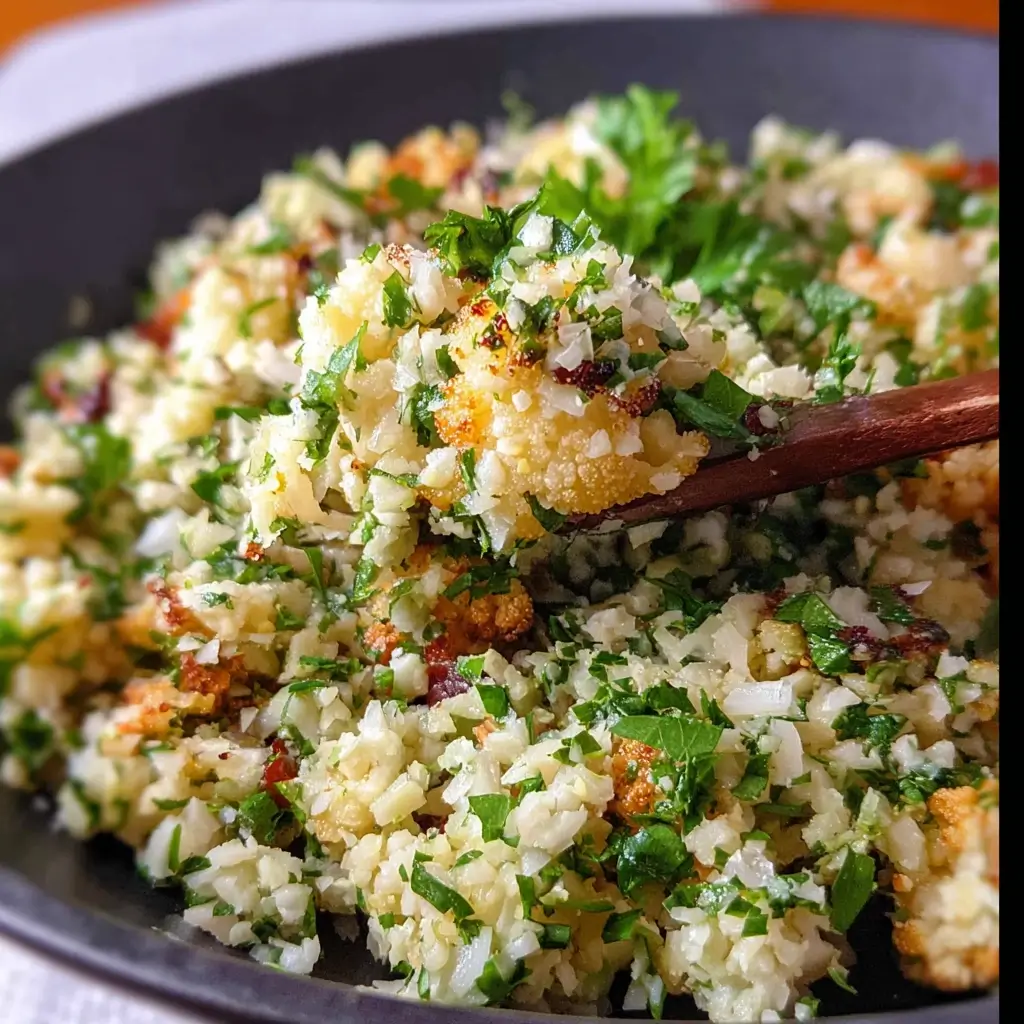
Of all the recipes that have graced my kitchen table, few have received the unanimous, rave reviews that this Mediterranean Cauliflower Rice did. I first made it on a whim, looking for a lighter, healthier alternative to our usual side dishes for a big family Sunday dinner. I was a bit nervous; my kids can be skeptical of anything too “green,” and my husband is a die-hard fan of traditional grains. I piled the vibrant, confetti-like dish into a large bowl, the aromas of toasted garlic, zesty lemon, and fresh herbs filling the air. The sheer color of it—the deep purple of the olives, the bright red of the tomatoes, the crisp green of the parsley—was enough to get everyone intrigued. The first bite was a revelation. It wasn’t just “good for a vegetable dish”; it was genuinely, addictively delicious. The cauliflower rice was perfectly tender-crisp, not mushy, and it had soaked up all the wonderful flavors of the Mediterranean. My husband, the skeptic, went back for a second helping, declaring it a “game-changer.” My kids, after a little prodding, picked out the olives but devoured the rest, loving the salty bursts from the feta and the fresh crunch of the cucumber. Since that day, this Mediterranean Cauliflower Rice has become a staple in our home. It’s our go-to for a quick weeknight side, a healthy lunch bowl, and even a dish to bring to potlucks, where it always disappears first. It’s a celebration in a bowl, capturing the sun-drenched, carefree essence of the Mediterranean diet while being incredibly easy to make and wonderfully good for you. It’s proof that healthy eating doesn’t have to be a compromise; it can be a joyous, flavorful adventure that the whole family can get behind.
Ingredients
- 1 large head of cauliflower (about 2.5 lbs): This is the star of our show, serving as the light, low-carb base that replaces traditional rice. A large, firm head will yield the perfect amount for this recipe.
- 3 tablespoons extra virgin olive oil, divided: A cornerstone of Mediterranean cooking. We’ll use this for sautéing and for dressing the final dish, so choose a good quality oil for the best flavor.
- 1 small red onion, finely chopped: Adds a sharp, slightly sweet flavor and a beautiful purple hue that complements the other ingredients.
- 3-4 cloves garlic, minced: The aromatic heart of the dish. Don’t be shy with the garlic; it provides a foundational savory note.
- 1 cup cherry or grape tomatoes, halved: These little gems add a burst of sweetness, acidity, and vibrant color.
- 1 English cucumber, finely diced: Provides a cool, refreshing crunch and clean flavor. English cucumbers are preferred as they have fewer seeds and thinner skin.
- 1/2 cup Kalamata olives, pitted and halved: For that classic, briny, and salty Mediterranean punch. Their deep purple color is essential for the dish’s visual appeal.
- 1/2 cup crumbled feta cheese: Adds a creamy texture and a tangy, salty finish. For a dairy-free or vegan option, use a high-quality vegan feta alternative.
- 1/2 cup sun-dried tomatoes (in oil), drained and chopped: These offer a chewy texture and an intensely concentrated, sweet-tart tomato flavor that elevates the entire dish.
- 1 (15-ounce) can chickpeas, rinsed and drained: Adds plant-based protein and fiber, making the dish more substantial and satisfying.
- 1/2 cup fresh parsley, chopped: Brings a clean, bright, and slightly peppery freshness that cuts through the richness of the other ingredients.
- 2 tablespoons fresh dill, chopped (optional): Dill adds a unique, slightly tangy and grassy note that is quintessentially Mediterranean and pairs beautifully with lemon and cucumber.
- 1 large lemon, juiced (about 3-4 tablespoons): The fresh lemon juice is non-negotiable. It brightens every single flavor and ties the entire dish together.
- 1 teaspoon dried oregano: A classic Mediterranean herb that adds a robust, earthy, and slightly peppery aroma.
- 1/2 teaspoon black pepper, freshly ground: For a touch of spice and warmth.
- Salt to taste: Essential for bringing out all the individual flavors. Be mindful that the feta and olives are already salty.
Instructions
- Prepare the Cauliflower Rice: Your first step is to transform the head of cauliflower into “rice.” Wash and thoroughly dry the cauliflower head, then remove the green leaves and the tough core. Coarsely chop the cauliflower into florets. You have two primary methods for ricing:
- Food Processor Method (Recommended): Working in two batches to avoid overcrowding, place the florets in the bowl of a food processor. Pulse in 1-second intervals for about 5-8 times, or until the cauliflower is broken down into small, rice-sized pieces. Be careful not to over-process, or you will end up with cauliflower mush. Scrape down the sides as needed.
- Box Grater Method: If you don’t have a food processor, you can use the large holes of a standard box grater. This method is more labor-intensive but yields excellent, uniform results. Simply grate the florets into a large bowl.
- Sauté the Aromatics: Place a large, deep skillet or Dutch oven over medium-high heat. Add 2 tablespoons of the extra virgin olive oil. Once the oil is shimmering, add the finely chopped red onion and sauté for 3-4 minutes, until it begins to soften and become translucent. Add the minced garlic and dried oregano and cook for another minute until fragrant. Be careful not to burn the garlic, as it will become bitter.
- Cook the Cauliflower Rice: Add the riced cauliflower to the skillet with the onions and garlic. Stir everything together to coat the cauliflower in the oil and aromatics. Spread the cauliflower rice in an even layer across the pan. This is a crucial step for texture. Allow it to cook, undisturbed, for 4-5 minutes. This helps some of the moisture evaporate and allows the cauliflower to get a slight golden-brown caramelization, which adds immense flavor. After the initial sear, continue to cook for another 5-7 minutes, stirring occasionally, until the cauliflower is tender but still has a slight bite (al dente). You do not want it to become soft or mushy. Season with salt and freshly ground black pepper during this process.
- Prepare the “Mix-In” Ingredients: While the cauliflower rice is cooking, you can efficiently prepare your fresh components. In a large mixing bowl—the one you’ll serve from—combine the halved cherry tomatoes, diced English cucumber, halved Kalamata olives, chopped sun-dried tomatoes, rinsed and drained chickpeas, crumbled feta cheese, and the chopped fresh parsley and dill (if using). This keeps your workspace organized and allows the flavors to begin mingling.
- Combine and Dress: Once the cauliflower rice is cooked to your liking, remove the skillet from the heat. Let it cool for just a minute or two. This prevents the hot cauliflower from wilting the fresh cucumber and herbs. Transfer the warm cauliflower rice from the skillet into the large mixing bowl with all the other prepared ingredients.
- Final Touches: Drizzle the remaining 1 tablespoon of extra virgin olive oil and the fresh lemon juice over the mixture in the bowl. Gently toss everything together until all the ingredients are evenly distributed. The colors should be beautifully combined, creating a mosaic of Mediterranean goodness.
- Taste and Serve: Give the Mediterranean Cauliflower Rice a final taste. Adjust the seasoning as needed—you may want more salt, pepper, or a squeeze of lemon juice to make the flavors pop. You can serve the dish immediately while it’s still warm, or let it cool to room temperature. It’s equally delicious either way.
Nutrition Facts
- Servings: 6 generous servings
- Calories per serving: Approximately 245 kcal
This recipe is designed to be as nourishing as it is delicious. Here’s a look at some of its key nutritional highlights:
- Low in Carbohydrates: With only about 15g of carbohydrates (and even less in net carbs when you subtract fiber), this dish is an excellent choice for those following low-carb, keto, or paleo lifestyles. It provides the satisfying texture of a grain dish without the heavy carb load.
- Rich in Fiber: Packing around 6g of fiber per serving, this cauliflower rice aids in digestive health, helps promote feelings of fullness and satiety, and can contribute to stable blood sugar levels.
- Excellent Source of Vitamin C: Cauliflower is a nutritional powerhouse, and just one serving of this dish provides a significant portion of your daily recommended intake of Vitamin C, a crucial antioxidant for immune function and skin health.
- Healthy Fats: The primary fat source comes from extra virgin olive oil, a cornerstone of the heart-healthy Mediterranean diet. It’s rich in monounsaturated fats and oleic acid, which are known to have anti-inflammatory properties.
- Plant-Based Protein: Thanks to the inclusion of chickpeas and a small amount from the vegetables and feta, each serving offers a decent amount of protein (around 8g), making it a surprisingly sustaining and balanced dish.
Preparation time
- Prep Time: 15 minutes
- Cook Time: 15 minutes
- Total Time: 30 minutes
This vibrant dish is a testament to fast, fresh cooking. The preparation time of 15 minutes involves washing and chopping all the vegetables, ricing the cauliflower, and measuring out your ingredients. The cooking time of 15 minutes is dedicated to sautéing the aromatics and cooking the cauliflower rice to tender-crisp perfection. In just 30 minutes, you can have a restaurant-quality, incredibly healthy, and flavorful dish on your table.
How to Serve
This Mediterranean Cauliflower Rice is incredibly versatile. It can play the part of a humble side dish or be the star of the show. Here are some of our favorite ways to serve it:
- As a Perfect Side Dish: Its light yet flavorful profile makes it the ideal accompaniment to a wide range of main courses.
- Grilled Meats: Serve it alongside grilled chicken thighs, beef skewers, or lamb chops. The zesty, fresh flavors of the rice cut through the richness of the meat perfectly.
- Seafood: It’s a natural partner for fish. Pair it with a simple pan-seared salmon fillet, baked cod, or grilled shrimp for a light and healthy meal that feels like a coastal vacation.
- Vegetarian Mains: It beautifully complements grilled halloumi cheese or large Portobello mushrooms.
- As a Complete Standalone Meal: This dish is hearty enough to be a satisfying meal on its own, especially for a light lunch or dinner.
- Lunch Bowls: Portion it into containers for a week’s worth of delicious, healthy lunches. It holds up beautifully in the fridge.
- Add More Protein: To make it even more substantial, you can double the amount of chickpeas or add some shredded rotisserie chicken or canned tuna.
- Build-Your-Own Mediterranean Bowl Bar: This is a fun and interactive way to serve it for a family meal or a casual gathering.
- The Base: Start with a generous scoop of the Mediterranean Cauliflower Rice.
- Protein Toppings: Offer bowls of grilled chicken strips, falafel, seasoned ground beef, or shrimp.
- Sauces and Dips: Provide sides of tzatziki sauce, hummus, or a creamy tahini dressing for drizzling on top.
- Extra Toppings: Set out small bowls of toasted pine nuts, extra feta cheese, sliced pepperoncini, or a fresh tomato-cucumber salad.
- As a Filling for Wraps or Lettuce Cups:
- Pita Pockets: Spoon the cauliflower rice mixture into warmed whole-wheat pita pockets for a portable and filling sandwich.
- Lettuce Wraps: For an ultra-low-carb option, use large, crisp leaves of romaine or butter lettuce as a cup to hold the flavorful filling.
Additional tips
- Don’t Over-Process the Cauliflower: The most common mistake is turning the cauliflower into a wet paste in the food processor. Pulse in short, sharp bursts and work in batches. Your goal is distinct, rice-like grains, not a puree. This ensures a fluffy, not mushy, final texture.
- Squeeze Out Excess Moisture (Optional but Recommended): For the absolute best texture, after ricing the cauliflower, you can place it in a clean kitchen towel or cheesecloth and wring out as much excess moisture as possible. This step guarantees your cauliflower rice will be light and fluffy and will brown nicely in the pan instead of steaming.
- Use a Large Pan and Don’t Overcrowd: Give your cauliflower rice plenty of space in the skillet. If you overcrowd the pan, the cauliflower will steam instead of sautéing, leading to a softer, soggier result. If your skillet isn’t large enough, it’s better to cook the cauliflower rice in two batches.
- Toast the Chickpeas for Extra Crunch: For an amazing textural contrast, try toasting your chickpeas. After rinsing and draining, pat them very dry. Toss them with a teaspoon of olive oil and a pinch of salt and paprika, then roast in an air fryer or a 400°F (200°C) oven for 15-20 minutes until crispy. Add them to the dish right at the end.
- High-Quality Ingredients Matter: With a simple recipe like this, the quality of your ingredients shines through. Use a flavorful, fruity extra virgin olive oil, fresh and fragrant herbs (not dried, for the parsley), and a good block of feta that you crumble yourself (it has a much better texture and flavor than pre-crumbled).
- Let it Cool Slightly Before Mixing: Don’t dump the piping hot cauliflower rice directly onto your fresh ingredients like the cucumber and parsley. Let it cool for just 2-3 minutes. This small pause will keep the cucumber crisp and the herbs vibrant and green instead of wilting them instantly.
- Embrace Variations: This recipe is a fantastic template for creativity. Feel free to add other Mediterranean vegetables like chopped artichoke hearts, roasted red bell peppers, or a handful of spinach wilted in at the end. You could also swap the parsley for fresh mint or add a sprinkle of red pepper flakes for a touch of heat.
- Don’t Skimp on the Lemon: The fresh lemon juice is what brings the entire dish to life. It cuts through the saltiness of the olives and feta and brightens up the earthy cauliflower. Always use freshly squeezed lemon juice, not the bottled kind, for the best and brightest flavor. Zest the lemon before you juice it and add the zest to the final dish for an even more intense citrus aroma.
FAQ section
1. Can I use frozen cauliflower rice for this recipe?
Yes, you absolutely can use frozen cauliflower rice, which is a great time-saver. However, you must adjust the cooking method. Do not thaw the frozen rice first. Add it directly from the freezer to the hot skillet after sautéing the onions and garlic. You will need to cook it for a bit longer, stirring frequently, to allow all the excess moisture to evaporate. The final texture might be slightly softer than when using fresh cauliflower, but it will still be delicious.
2. How do I store leftover Mediterranean Cauliflower Rice?
Leftovers are fantastic! Store the dish in an airtight container in the refrigerator for up to 3-4 days. The flavors will actually meld and become even more delicious overnight. Note that the cucumber may lose some of its crispness over time. You can enjoy the leftovers cold, straight from the fridge like a salad, or gently reheat them in a skillet over low heat.
3. How can I make this recipe vegan and dairy-free?
This recipe is very easy to adapt for a vegan diet. The only ingredient you need to swap is the feta cheese. Simply substitute it with a high-quality, store-bought vegan feta cheese alternative. Many brands now offer excellent options made from tofu or nuts that crumble and taste remarkably similar. All other ingredients are naturally vegan.
4. Is this recipe keto-friendly?
Yes, this recipe is very keto-friendly. Cauliflower is extremely low in carbs, and the other main ingredients like olive oil, feta, and low-carb vegetables fit perfectly within the ketogenic diet guidelines. To make it even more keto-optimized, you could omit the chickpeas, as they are higher in carbs, and perhaps add more olives or some chopped avocado for extra healthy fats.
5. Can I meal prep this Mediterranean Cauliflower Rice?
This is an excellent recipe for meal prep. You can make a large batch on a Sunday and portion it out for lunches throughout the week. For the best results and to maintain maximum freshness and crunch, you can store the cooked and cooled cauliflower rice base separately from the “fresh” mix-ins (cucumber, tomatoes, herbs, feta). Then, simply combine a portion of each right before serving.
6. My cauliflower rice turned out mushy. What did I do wrong?
Mushy cauliflower rice is usually caused by one of three things: over-processing the cauliflower into a paste, not cooking it at a high enough heat, or overcrowding the pan. To fix this, make sure you only pulse the cauliflower in the food processor, use a large enough skillet over medium-high heat, and cook in batches if necessary. Squeezing out excess water with a kitchen towel before cooking also helps immensely.
7. What other vegetables or proteins can I add to this dish?
This recipe is highly customizable! For vegetables, consider adding finely chopped bell peppers (any color), zucchini, or roasted eggplant. A handful of fresh spinach or arugula stirred in at the end would also be lovely. For extra protein, you can add grilled chicken, pan-seared shrimp, flaked salmon, or even seasoned ground beef or lamb for a heartier meal.
8. Is cauliflower rice actually healthier than regular rice?
“Healthier” can be subjective, but cauliflower rice has some distinct nutritional advantages over white rice. It is significantly lower in calories and carbohydrates, making it ideal for weight management and low-carb diets. It is also packed with more vitamins, minerals, and fiber. A cup of cauliflower rice has about 25 calories, while a cup of cooked white rice has over 200. However, brown rice does offer its own benefits, like manganese and selenium. For a nutrient-dense, low-calorie option, cauliflower rice is a clear winner.
Mediterranean Cauliflower Rice
Ingredients
- 1 large head of cauliflower (about 2.5 lbs): This is the star of our show, serving as the light, low-carb base that replaces traditional rice. A large, firm head will yield the perfect amount for this recipe.
- 3 tablespoons extra virgin olive oil, divided: A cornerstone of Mediterranean cooking. We’ll use this for sautéing and for dressing the final dish, so choose a good quality oil for the best flavor.
- 1 small red onion, finely chopped: Adds a sharp, slightly sweet flavor and a beautiful purple hue that complements the other ingredients.
- 3–4 cloves garlic, minced: The aromatic heart of the dish. Don’t be shy with the garlic; it provides a foundational savory note.
- 1 cup cherry or grape tomatoes, halved: These little gems add a burst of sweetness, acidity, and vibrant color.
- 1 English cucumber, finely diced: Provides a cool, refreshing crunch and clean flavor. English cucumbers are preferred as they have fewer seeds and thinner skin.
- 1/2 cup Kalamata olives, pitted and halved: For that classic, briny, and salty Mediterranean punch. Their deep purple color is essential for the dish’s visual appeal.
- 1/2 cup crumbled feta cheese: Adds a creamy texture and a tangy, salty finish. For a dairy-free or vegan option, use a high-quality vegan feta alternative.
- 1/2 cup sun-dried tomatoes (in oil), drained and chopped: These offer a chewy texture and an intensely concentrated, sweet-tart tomato flavor that elevates the entire dish.
- 1 (15-ounce) can chickpeas, rinsed and drained: Adds plant-based protein and fiber, making the dish more substantial and satisfying.
- 1/2 cup fresh parsley, chopped: Brings a clean, bright, and slightly peppery freshness that cuts through the richness of the other ingredients.
- 2 tablespoons fresh dill, chopped (optional): Dill adds a unique, slightly tangy and grassy note that is quintessentially Mediterranean and pairs beautifully with lemon and cucumber.
- 1 large lemon, juiced (about 3–4 tablespoons): The fresh lemon juice is non-negotiable. It brightens every single flavor and ties the entire dish together.
- 1 teaspoon dried oregano: A classic Mediterranean herb that adds a robust, earthy, and slightly peppery aroma.
- 1/2 teaspoon black pepper, freshly ground: For a touch of spice and warmth.
- Salt to taste: Essential for bringing out all the individual flavors. Be mindful that the feta and olives are already salty.
Instructions
- Prepare the Cauliflower Rice: Your first step is to transform the head of cauliflower into “rice.” Wash and thoroughly dry the cauliflower head, then remove the green leaves and the tough core. Coarsely chop the cauliflower into florets. You have two primary methods for ricing:
- Food Processor Method (Recommended): Working in two batches to avoid overcrowding, place the florets in the bowl of a food processor. Pulse in 1-second intervals for about 5-8 times, or until the cauliflower is broken down into small, rice-sized pieces. Be careful not to over-process, or you will end up with cauliflower mush. Scrape down the sides as needed.
- Box Grater Method: If you don’t have a food processor, you can use the large holes of a standard box grater. This method is more labor-intensive but yields excellent, uniform results. Simply grate the florets into a large bowl.
- Sauté the Aromatics: Place a large, deep skillet or Dutch oven over medium-high heat. Add 2 tablespoons of the extra virgin olive oil. Once the oil is shimmering, add the finely chopped red onion and sauté for 3-4 minutes, until it begins to soften and become translucent. Add the minced garlic and dried oregano and cook for another minute until fragrant. Be careful not to burn the garlic, as it will become bitter.
- Cook the Cauliflower Rice: Add the riced cauliflower to the skillet with the onions and garlic. Stir everything together to coat the cauliflower in the oil and aromatics. Spread the cauliflower rice in an even layer across the pan. This is a crucial step for texture. Allow it to cook, undisturbed, for 4-5 minutes. This helps some of the moisture evaporate and allows the cauliflower to get a slight golden-brown caramelization, which adds immense flavor. After the initial sear, continue to cook for another 5-7 minutes, stirring occasionally, until the cauliflower is tender but still has a slight bite (al dente). You do not want it to become soft or mushy. Season with salt and freshly ground black pepper during this process.
- Prepare the “Mix-In” Ingredients: While the cauliflower rice is cooking, you can efficiently prepare your fresh components. In a large mixing bowl—the one you’ll serve from—combine the halved cherry tomatoes, diced English cucumber, halved Kalamata olives, chopped sun-dried tomatoes, rinsed and drained chickpeas, crumbled feta cheese, and the chopped fresh parsley and dill (if using). This keeps your workspace organized and allows the flavors to begin mingling.
- Combine and Dress: Once the cauliflower rice is cooked to your liking, remove the skillet from the heat. Let it cool for just a minute or two. This prevents the hot cauliflower from wilting the fresh cucumber and herbs. Transfer the warm cauliflower rice from the skillet into the large mixing bowl with all the other prepared ingredients.
- Final Touches: Drizzle the remaining 1 tablespoon of extra virgin olive oil and the fresh lemon juice over the mixture in the bowl. Gently toss everything together until all the ingredients are evenly distributed. The colors should be beautifully combined, creating a mosaic of Mediterranean goodness.
- Taste and Serve: Give the Mediterranean Cauliflower Rice a final taste. Adjust the seasoning as needed—you may want more salt, pepper, or a squeeze of lemon juice to make the flavors pop. You can serve the dish immediately while it’s still warm, or let it cool to room temperature. It’s equally delicious either way.
Nutrition
- Serving Size: one normal portion
- Calories: 245