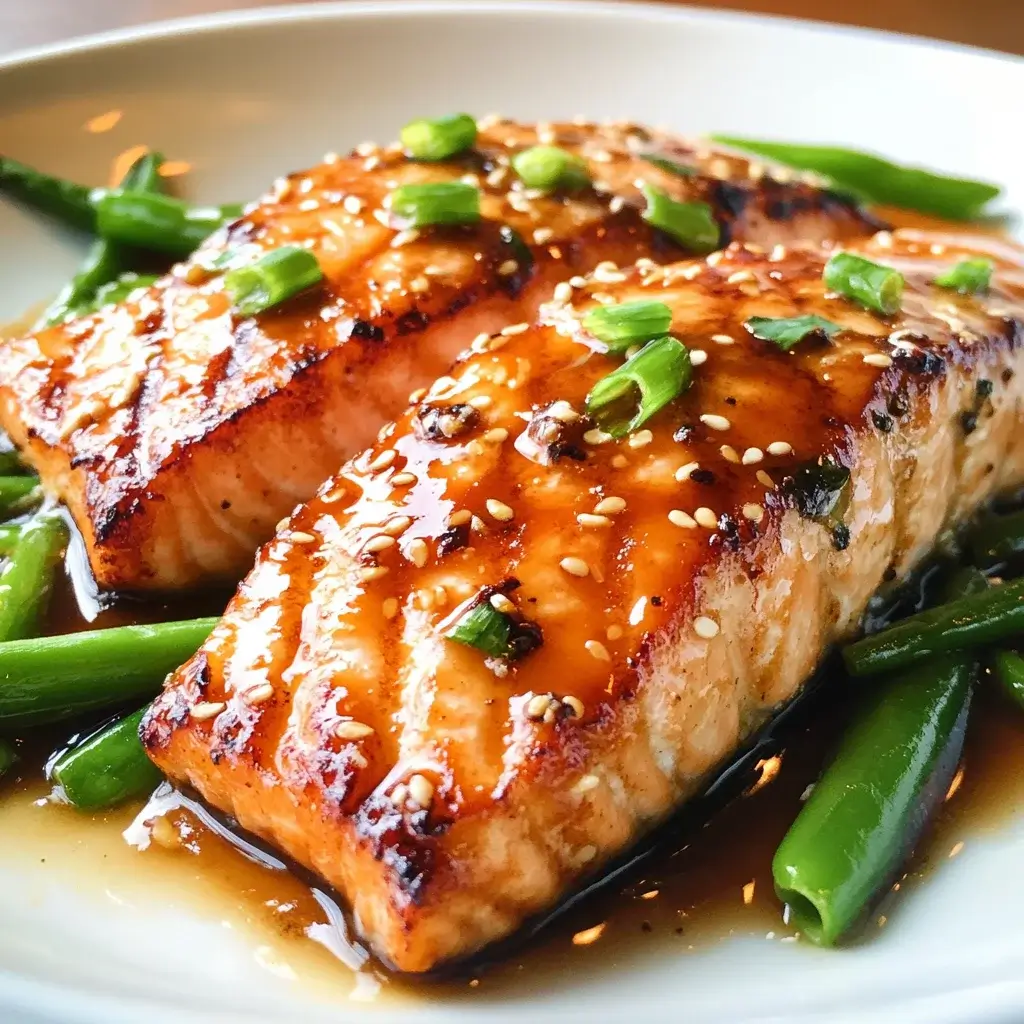
This Miso Glazed Salmon recipe has become an absolute cornerstone in my kitchen, a culinary hero that swoops in to save weeknight dinners and impress guests on special occasions with equal flair. The first time I made it, I was cautiously optimistic; I love Japanese flavors, but sometimes find restaurant versions a little too sweet or overpowering. This recipe, however, struck the perfect chord. The salmon emerged from the oven glistening with a deeply burnished, umami-rich glaze, the flesh incredibly tender and flaky, practically melting in the mouth. My family, including my usually picky youngest, devoured their portions and immediately asked when we could have it again. That’s the ultimate seal of approval in our house! The beauty of this dish lies not just in its exquisite taste – that perfect marriage of savory miso, sweet mirin, and a hint of ginger – but also in its surprising simplicity. It feels gourmet, looks sophisticated, yet comes together with minimal fuss, making me feel like a kitchen wizard every time. It’s a healthy, flavorful, and utterly satisfying meal that never fails to bring smiles to the table, and I’m so excited to share this gem with you, hoping it becomes as beloved in your home as it is in mine.
Ingredients
Here’s what you’ll need to create this incredibly flavorful Miso Glazed Salmon. Each ingredient plays a crucial role in building the complex, umami-rich taste that makes this dish so special.
- 4 (6-ounce) Salmon Fillets: (Approx. 170g each, about 1.5-2 inches thick). Opt for high-quality, fresh salmon. Wild-caught varieties like Sockeye or Coho offer a richer flavor, while farmed Atlantic salmon is milder and often fattier, which keeps it moist. Skin-on or skinless both work, though skin-on can help keep the fish moist and adds a crispy element if seared first. Ensure they are of similar thickness for even cooking.
- 1/2 cup White Miso Paste (Shiro Miso): (Approx. 120g). This is the star of our glaze! White miso is milder and sweeter than its red or darker counterparts, having been fermented for a shorter period with a higher proportion of rice. Its delicate, slightly sweet, and savory notes perfectly complement the salmon without overpowering it. Look for it in the refrigerated section of most grocery stores or Asian markets.
- 3 tablespoons Mirin: (Approx. 45ml). A sweet Japanese rice wine that is essential for authentic Japanese glazes. It adds a subtle sweetness, a pleasant tang, and helps to create that beautiful sheen on the cooked salmon. If you can’t find mirin, you could substitute with a dry white wine or sake mixed with a teaspoon of sugar.
- 2 tablespoons Sake (Japanese Rice Wine): (Approx. 30ml). Sake adds depth of flavor and helps to tenderize the salmon slightly. It also helps to thin the miso paste, making the glaze easier to spread. If you don’t have sake, you can substitute with dry sherry or Chinese rice wine, or simply use a little extra mirin or even water.
- 2 tablespoons Soy Sauce (Shoyu): (Approx. 30ml). Use a good quality Japanese soy sauce for the best flavor. It adds a salty, umami backbone to the glaze. Low-sodium soy sauce can be used if you’re watching your salt intake, but you might need to adjust other seasonings slightly.
- 1 tablespoon Rice Vinegar (Unseasoned): (Approx. 15ml). This adds a touch of acidity that brightens the glaze and cuts through the richness of the salmon and miso. Ensure you’re using unseasoned rice vinegar, as seasoned versions contain added sugar and salt.
- 1 tablespoon Granulated Sugar (or Honey/Maple Syrup): (Approx. 15g). This helps to balance the saltiness of the miso and soy sauce, and crucially, aids in caramelization, giving the salmon that beautiful, slightly charred, and glossy finish. Honey or maple syrup can be used for a more natural sweetener, offering slightly different flavor nuances. Adjust the amount based on the sweetness of your miso and personal preference.
- 1 teaspoon Freshly Grated Ginger: (Approx. 5g). A small knob of fresh ginger, finely grated, adds a warm, zesty kick that complements the other Asian flavors beautifully. It cuts through the richness and adds a layer of aromatic complexity.
- 1 Clove Garlic, Minced: (Approx. 5g). Freshly minced garlic provides a pungent, aromatic base note that enhances the overall savoriness of the glaze. Use a microplane or fine grater for best results, ensuring it melds seamlessly into the marinade.
- Optional Garnish: Toasted Sesame Seeds and Sliced Green Onions (Scallions): These add a lovely visual appeal, a nutty crunch from the sesame seeds, and a fresh, mild oniony bite from the scallions, completing the dish.
Instructions
Follow these steps carefully to achieve perfectly glazed, tender, and flavorful Miso Salmon every time. The process involves preparing the glaze, marinating the salmon, and then cooking it to perfection.
Step 1: Prepare the Miso Glaze
In a small to medium-sized mixing bowl, combine the white miso paste, mirin, sake, soy sauce, rice vinegar, sugar (or your chosen sweetener), freshly grated ginger, and minced garlic. Whisk these ingredients together vigorously until the mixture is completely smooth and well combined. The miso paste can sometimes be a bit lumpy, so ensure you whisk until all lumps are gone and you have a homogenous, glossy glaze. This might take a minute or two. Taste the glaze (before it touches raw fish!) and adjust any seasonings if necessary – perhaps a little more sugar for sweetness or a touch more rice vinegar for acidity, depending on your preference and the specific brands of ingredients used. Set the glaze aside.
Step 2: Prepare the Salmon
Pat the salmon fillets completely dry with paper towels. This is a crucial step often overlooked. Removing excess moisture from the surface of the salmon allows the glaze to adhere better and helps the exterior of the fish to caramelize rather than steam. If your salmon fillets have skin, you can choose to score it lightly with a sharp knife, making a few diagonal cuts. This can help prevent the skin from curling during cooking and allows the glaze to penetrate a bit more. Place the salmon fillets in a shallow dish or a resealable plastic bag, ensuring they are in a single layer if possible. A glass or ceramic dish is ideal as it won’t react with the marinade.
Step 3: Marinate the Salmon
Pour about two-thirds of the prepared miso glaze over the salmon fillets, reserving the remaining one-third of the glaze for basting later during cooking. Gently turn the fillets to ensure they are evenly coated on all sides with the glaze. If using a dish, you can use a spoon or a brush to spread it evenly. If using a bag, gently massage the bag to distribute the glaze.
Cover the dish with plastic wrap or seal the bag, and refrigerate for at least 30 minutes to allow the flavors to meld and penetrate the fish. For a deeper flavor, you can marinate for up to 2 hours. However, be cautious not to over-marinate, especially with thinner fillets, as the salt and acidity in the glaze can start to “cook” the fish (like ceviche) and alter its texture, making it slightly mushy if left for too long (e.g., overnight). For optimal texture, 30 minutes to 1 hour is often perfect.
Step 4: Prepare for Cooking
When you’re ready to cook, preheat your oven broiler (grill) to high, with the oven rack positioned about 6-8 inches from the heating element. Alternatively, if you prefer baking, preheat your oven to 400°F (200°C).
Line a baking sheet or a broiler pan with aluminum foil for easy cleanup – the glaze can get quite sticky and burn onto the pan. If you have one, place an oven-safe wire rack on top of the foil-lined baking sheet. Cooking the salmon on a rack allows hot air to circulate around the fillets more evenly and helps prevent the bottom from becoming soggy. Lightly grease the foil or the wire rack with a little oil or cooking spray to prevent the salmon from sticking.
Step 5: Cook the Salmon
Remove the salmon fillets from the marinade, allowing any excess glaze to drip off back into the dish (don’t wipe it clean, just let the thick excess fall). Discard the used marinade that the raw fish was sitting in for food safety reasons.
Arrange the salmon fillets on the prepared baking sheet or wire rack, ensuring they are not overcrowded to promote even cooking.
- If Broiling: Place the baking sheet under the preheated broiler. Broil for 6-10 minutes, depending on the thickness of your salmon and the intensity of your broiler. Keep a very close eye on the salmon, as the sugars in the glaze can cause it to burn quickly. After about 3-4 minutes of broiling, carefully remove the salmon from the oven and brush generously with some of the reserved (unused) miso glaze. Return to the broiler and continue cooking, potentially basting one more time, until the salmon is cooked through and the glaze is bubbly and nicely caramelized with some slightly charred spots.
- If Baking: Place the baking sheet in the preheated 400°F (200°C) oven. Bake for 10-15 minutes, depending on the thickness of the fillets. About halfway through the baking time (around 6-7 minutes), remove the salmon from the oven and brush generously with some of the reserved (unused) miso glaze. Return to the oven and continue baking until the salmon is cooked through and flakes easily with a fork. If you want a more caramelized top after baking, you can switch the oven to the broil setting for the last 1-2 minutes, watching very carefully to prevent burning.
Step 6: Check for Doneness
The salmon is cooked when it reaches an internal temperature of 135-140°F (57-60°C) for medium, or 145°F (63°C) for well-done, measured with a food thermometer inserted into the thickest part of the fillet. Visually, the flesh should be opaque and flake easily with a fork. Be careful not to overcook, as salmon can become dry quickly. It will continue to cook slightly from residual heat after being removed from the oven.
Step 7: Rest and Serve
Once cooked, carefully remove the salmon from the oven. Let it rest for a few minutes (about 3-5 minutes) before serving. This allows the juices to redistribute, resulting in a more tender and flavorful fish.
Garnish the Miso Glazed Salmon with a sprinkle of toasted sesame seeds and freshly sliced green onions, if desired. Serve immediately with your favorite side dishes.
Nutrition Facts
This Miso Glazed Salmon is not only delicious but also packs a healthy punch. The following nutritional information is an estimate and can vary based on specific ingredient choices and portion sizes.
- Servings: 4
- Calories per serving: Approximately 380-450 kcal (This can vary significantly based on the size and fattiness of the salmon fillet and the exact amount of sugar/honey used in the glaze).
Here are some key nutritional highlights:
- Protein: Approximately 35-40g per serving. Salmon is an excellent source of high-quality protein, which is vital for muscle building and repair, immune function, and overall satiety, helping you feel fuller for longer.
- Omega-3 Fatty Acids (EPA & DHA): Salmon is renowned for its high content of these essential fatty acids. A serving can provide well over 100% of the recommended daily intake. Omega-3s are crucial for heart health (reducing triglycerides, blood pressure, and risk of blood clots), brain function, and reducing inflammation throughout the body.
- Vitamin D: Salmon is one of the few foods naturally rich in Vitamin D, a nutrient essential for bone health (as it helps with calcium absorption), immune system support, and mood regulation. Many populations are deficient in Vitamin D, making salmon a valuable dietary source.
- B Vitamins (especially B12, B6, Niacin): Salmon provides a good dose of various B vitamins. Vitamin B12 is crucial for nerve function and the formation of red blood cells. Niacin (B3) and Vitamin B6 are important for energy metabolism and brain development.
- Selenium: An important trace mineral that acts as a powerful antioxidant, protecting cells from damage. It also plays a role in thyroid hormone metabolism and DNA synthesis.
While the glaze does contain some sugar and sodium (from miso and soy sauce), the overall nutritional profile of this dish, dominated by the benefits of salmon, makes it a very healthy and satisfying meal choice.
Preparation Time
Understanding the time commitment for this Miso Glazed Salmon recipe will help you plan your meal preparation effectively. The total time can be broken down into active preparation, marinating, and cooking.
- Active Preparation Time: Approximately 15-20 minutes.
- This includes gathering and measuring your ingredients.
- Preparing the miso glaze: whisking together the miso paste, mirin, sake, soy sauce, rice vinegar, sugar, ginger, and garlic. This usually takes about 5-7 minutes.
- Preparing the salmon: patting the fillets dry and placing them in a dish for marinating. This takes about 3-5 minutes.
- Chopping garnishes like green onions, if using.
- Marinating Time: 30 minutes to 2 hours (refrigerated).
- The minimum recommended marinating time is 30 minutes to allow the flavors to penetrate the salmon.
- For a more intense flavor, you can extend this up to 2 hours. It’s generally not recommended to marinate for much longer, especially with delicate fish like salmon, as the acidity and salt can start to cure the fish and affect its texture. This is passive time where you can focus on other tasks or prepare side dishes.
- Cooking Time: Approximately 8-15 minutes.
- This depends heavily on the thickness of your salmon fillets and your chosen cooking method (broiling or baking).
- Broiling is typically faster, often taking 6-10 minutes.
- Baking at 400°F (200°C) might take 10-15 minutes.
- This also includes the time for basting the salmon with the reserved glaze during cooking.
- Resting Time: 3-5 minutes.
- Allowing the salmon to rest after cooking is important for optimal texture and juiciness.
Total Estimated Time:
Adding it all up, you’re looking at a total time range of approximately 1 hour to 2 hours and 40 minutes, with only about 20-25 minutes of that being active hands-on time. The majority of the duration is passive marinating time, making this recipe quite manageable even for a weeknight if you plan accordingly. For a quicker version, a 30-minute marinade will still yield delicious results.
How to Serve
Serving Miso Glazed Salmon is an opportunity to create a well-rounded, visually appealing, and delicious meal. The umami-rich, slightly sweet, and savory flavors of the salmon pair beautifully with a variety of accompaniments. Here are some ideas to inspire you:
Classic Japanese-Inspired Pairings:
- Steamed Rice:
- Short-grain Japanese rice (sushi rice): Its slightly sticky texture is perfect for soaking up any extra glaze.
- Brown rice: A healthier, nuttier alternative.
- Consider seasoning the rice with a sprinkle of furikake (a Japanese rice seasoning blend) for extra flavor and visual appeal.
- Miso Soup: Serving a small bowl of traditional miso soup alongside makes for an authentic and comforting Japanese meal.
- Steamed or Blanched Greens:
- Bok Choy: Steamed or lightly sautéed with a touch of garlic and sesame oil.
- Spinach: Blanched and possibly dressed with a goma-ae (sesame dressing).
- Broccolini or Asparagus: Steamed or roasted until tender-crisp, these greens provide a nice color contrast and fresh flavor.
- Pickled Ginger (Gari): A small amount on the side can act as a palate cleanser.
- Edamame: Steamed and lightly salted, served in the pod or shelled.
Modern & Fusion Serving Ideas:
- Quinoa or Other Grains:
- Serve the salmon over a bed of fluffy quinoa, farro, or barley for a nutritious and hearty meal.
- Roasted Vegetables:
- Root Vegetables: Roasted carrots, sweet potatoes, or parsnips, perhaps with a light sesame oil drizzle.
- Asian-inspired vegetable medley: Broccoli florets, bell pepper strips, snap peas, and mushrooms roasted or stir-fried.
- Noodle Salads:
- A cold soba noodle salad with a light soy-sesame dressing can be a refreshing accompaniment, especially in warmer weather.
- Fresh Salads:
- A simple green salad with a ginger-miso dressing or a citrus vinaigrette.
- Asian slaw made with shredded cabbage, carrots, and a tangy dressing.
- Atop a Rice Bowl (Donburi Style):
- Flake the cooked Miso Glazed Salmon and serve it over a bowl of steamed rice with various toppings like sliced avocado, pickled vegetables (e.g., daikon or cucumber), a sprinkle of nori strips, and a drizzle of extra glaze or soy sauce.
Garnishes and Presentation:
- Toasted Sesame Seeds: White, black, or a mix, for a nutty crunch and visual appeal.
- Sliced Green Onions (Scallions): Thinly sliced on the diagonal for a fresh, sharp bite and a pop of green.
- Microgreens or Fresh Herbs: Cilantro or shiso leaves can add a fresh herbal note.
- Lemon or Lime Wedges: A squeeze of fresh citrus juice just before eating can brighten the flavors.
- A Drizzle of High-Quality Sesame Oil: Just a few drops can enhance the aroma.
- Flaky Sea Salt: A tiny sprinkle right before serving can elevate the flavors, especially if you’ve used low-sodium soy sauce.
Serving Suggestions in List Format:
- Main Course:
- With steamed Japanese short-grain rice and sautéed bok choy.
- Alongside roasted asparagus and a quinoa pilaf.
- Over a bed of soba noodles tossed with edamame and a light sesame dressing.
- Appetizer:
- Cut the salmon into smaller, bite-sized pieces and serve on individual spoons or small plates.
- Salad Topping:
- Flake the cooked salmon and add it to a mixed green salad with an Asian-inspired vinaigrette.
- Bento Box Component:
- Perfect for a healthy and flavorful packed lunch, accompanied by rice, pickled vegetables, and a piece of fruit.
No matter how you choose to serve it, the Miso Glazed Salmon is sure to be the star of the show! Consider the color, texture, and flavor balance when selecting your side dishes to create a truly memorable meal.
Additional Tips
To help you achieve Miso Glazed Salmon perfection and tailor the recipe to your liking, here are eight additional tips:
- Choosing Your Miso Wisely: While this recipe calls for white miso (Shiro Miso) for its mild sweetness, don’t be afraid to experiment once you’re comfortable. Yellow miso (Shinshu Miso) offers a slightly stronger, earthier flavor. Red miso (Aka Miso) is the most pungent and salty, and should be used more sparingly or in combination with white miso if you prefer a bolder taste. Always taste your glaze and adjust seasonings accordingly, as different misos have varying salt levels.
- Don’t Over-Marinate: Salmon is a delicate fish. Marinating for 30 minutes to 2 hours is generally optimal. If you marinate for too long (e.g., overnight), the salt and acidity in the glaze can start to “cook” the fish (like ceviche) and draw out too much moisture, potentially resulting in a firmer, drier, or even mushy texture rather than flaky and tender.
- Skin-On for Crispy Skin (and Moisture): If using skin-on salmon, you can achieve wonderfully crispy skin. To do this, you might consider pan-searing the salmon skin-side down in a hot, lightly oiled oven-safe skillet for 2-3 minutes before glazing the top and transferring the whole skillet to the oven or under the broiler. The skin also provides a barrier that helps keep the flesh moist.
- Monitor Closely Under the Broiler: The sugar content in the miso glaze (from mirin, sugar, and miso itself) means it can go from perfectly caramelized to burnt very quickly under a broiler. Keep a vigilant eye on it, especially during the last few minutes of cooking. If it starts to char too much too quickly, move the oven rack further from the heating element or switch to a bake setting for the remaining cooking time.
- Use an Instant-Read Thermometer: The most reliable way to ensure your salmon is perfectly cooked – not underdone or overcooked and dry – is to use an instant-read food thermometer. Insert it into the thickest part of the fillet. Aim for an internal temperature of 135-140°F (57-60°C) for medium, or up to 145°F (63°C) if you prefer it more well-done. Remember it will carry over cook slightly after removal from heat.
- Save Some Glaze for Serving: The reserved glaze used for basting during cooking is fantastic, but consider setting aside a tiny bit of the original, uncooked glaze (before it touches raw fish) to drizzle over the finished dish or over side dishes like steamed rice or vegetables for an extra pop of flavor. Alternatively, you can gently heat the reserved basting glaze (ensure it comes to a simmer if it was used to baste partially cooked fish) to serve as a sauce.
- Gentle Handling: Salmon is flaky and can break apart easily, especially when cooked. Use a wide, flexible fish spatula to transfer the fillets from the baking sheet to serving plates to keep them intact.
- Making Ahead & Storage: You can prepare the miso glaze up to 2-3 days in advance and store it in an airtight container in the refrigerator. Leftover cooked Miso Glazed Salmon can be stored in an airtight container in the refrigerator for up to 2 days. It’s delicious cold in salads or gently reheated (be careful not to dry it out – reheating in a low oven or briefly in a microwave is best).
FAQ Section
Here are answers to some frequently asked questions about making Miso Glazed Salmon:
Q1: What type of salmon is best for this Miso Glazed Salmon recipe?
A: You can use various types of salmon, and the best choice often comes down to personal preference and availability.
* Atlantic Salmon: Commonly farmed, it’s rich, fatty, and has a milder flavor. Its higher fat content makes it forgiving and helps keep it moist.
* Sockeye Salmon: Wild-caught, it has a vibrant red-orange color, a firmer texture, and a more pronounced “salmon” flavor. It’s leaner than Atlantic salmon.
* Coho Salmon (Silver Salmon): Also wild-caught, Coho is milder than Sockeye but more flavorful than many farmed varieties. It has a medium fat content.
* King Salmon (Chinook): Considered by many to be the most luxurious, King salmon is rich, fatty, and has a buttery texture.
For this recipe, fillets about 1.5-2 inches thick work well. Both skin-on and skinless fillets are suitable. Skin-on can help keep the fish moist and gets deliciously crispy if cooked properly.
Q2: Can I use a different type of miso paste besides white miso?
A: Yes, you can, but it will change the flavor profile.
* White Miso (Shiro Miso): Mildest, sweetest, and lowest in sodium. Recommended for this recipe for its delicate balance.
* Yellow Miso (Shinshu Miso): Fermented longer than white miso, it has a mild, earthy flavor and is slightly saltier. It can be a good alternative if you want a bit more depth.
* Red Miso (Aka Miso): Fermented the longest, it has a very strong, pungent, salty, and umami-rich flavor. If using red miso, you might want to use less of it or combine it with white miso, and potentially reduce the soy sauce or sugar in the recipe to balance its intensity.
Always taste and adjust the glaze when substituting ingredients.
Q3: I don’t have sake. What can I use as a substitute?
A: If you don’t have sake, there are several good substitutes:
* Dry Sherry: This is a common and effective substitute in Japanese cooking.
* Chinese Rice Wine (Shaoxing Wine): While it has a slightly different flavor profile, it can work in a pinch.
* Dry White Wine: A crisp, unoaked white wine like Sauvignon Blanc or Pinot Grigio can be used.
* Extra Mirin: You can replace the sake with an equal amount of mirin, but be mindful that this will make the glaze sweeter. You might want to reduce the sugar slightly.
* Water or Broth: In a pinch, you can use water or a light vegetable broth, though you’ll lose some of the depth of flavor that sake provides.
Q4: How do I know when the salmon is perfectly cooked?
A: There are a few ways to tell:
* Internal Temperature: The most accurate method is using an instant-read food thermometer. Insert it into the thickest part of the fillet. Salmon is generally considered cooked to medium at 135-140°F (57-60°C) and well-done at 145°F (63°C). Many prefer salmon slightly on the rarer side (around 125-130°F or 52-54°C), especially for high-quality fish.
* Visual Cue: The flesh should turn from translucent pink/red to opaque pink.
* Flake Test: Gently press the thickest part of the salmon with a fork. If it flakes easily, it’s done. Be careful not to overcook, as it will continue to cook slightly from residual heat after you remove it from the oven.
Q5: Can I prepare Miso Glazed Salmon ahead of time?
A: Yes, parts of it can be prepared ahead:
* Miso Glaze: The glaze can be made up to 3 days in advance and stored in an airtight container in the refrigerator.
* Marinating: You can marinate the salmon for the recommended time (30 minutes to 2 hours) before cooking. It’s not ideal to leave it marinating for extended periods like overnight, as the texture can be affected.
* Cooked Salmon: Leftover cooked salmon can be stored in an airtight container in the refrigerator for up to 2 days. It’s great cold in salads or gently reheated.
Q6: What’s the best way to reheat leftover Miso Glazed Salmon?
A: Salmon can dry out easily when reheated, so gentle methods are best:
* Oven: Preheat your oven to a low temperature (around 275-300°F or 135-150°C). Place the salmon in an oven-safe dish, perhaps with a splash of water or broth, cover with foil, and heat for 10-15 minutes, or until warmed through.
* Microwave: Use a low power setting (e.g., 50%) and heat in short intervals (30-60 seconds), checking frequently. Covering the salmon with a damp paper towel can help retain moisture.
* Pan: You can gently reheat it in a non-stick skillet over low heat with a little water or oil.
* Enjoy Cold: Miso salmon is also delicious cold, flaked into salads or rice bowls.
Q7: Is Miso Glazed Salmon healthy?
A: Yes, generally, Miso Glazed Salmon is a very healthy dish.
* Salmon itself: Is packed with high-quality protein, heart-healthy omega-3 fatty acids, Vitamin D, and B vitamins.
* Miso: Is a fermented food, which can offer probiotic benefits and is a source of vitamins and minerals.
* The Glaze: Does contain sugar and sodium (from miso and soy sauce). You can control the amount of added sugar and opt for low-sodium soy sauce if these are concerns.
Overall, when part of a balanced meal with plenty of vegetables and whole grains, it’s a nutritious and flavorful option.
Q8: My miso glaze is too thick or too thin. How can I adjust it?
A: The consistency of miso paste can vary by brand.
* If too thick: Whisk in a little more liquid – a teaspoon at a time of sake, mirin, rice vinegar, or even warm water – until it reaches your desired consistency. It should be thick enough to coat the salmon but still spreadable.
* If too thin: You can try whisking in a tiny bit more miso paste. Alternatively, if it’s significantly too thin, you could gently simmer it in a small saucepan for a few minutes to allow some of the liquid to evaporate and thicken it. Let it cool slightly before using, as it will thicken more as it cools. Remember that the glaze will also thicken and caramelize as it cooks on the salmon.
Miso Glazed Salmon Recipe
Ingredients
Here’s what you’ll need to create this incredibly flavorful Miso Glazed Salmon. Each ingredient plays a crucial role in building the complex, umami-rich taste that makes this dish so special.
- 4 (6-ounce) Salmon Fillets: (Approx. 170g each, about 1.5–2 inches thick). Opt for high-quality, fresh salmon. Wild-caught varieties like Sockeye or Coho offer a richer flavor, while farmed Atlantic salmon is milder and often fattier, which keeps it moist. Skin-on or skinless both work, though skin-on can help keep the fish moist and adds a crispy element if seared first. Ensure they are of similar thickness for even cooking.
- 1/2 cup White Miso Paste (Shiro Miso): (Approx. 120g). This is the star of our glaze! White miso is milder and sweeter than its red or darker counterparts, having been fermented for a shorter period with a higher proportion of rice. Its delicate, slightly sweet, and savory notes perfectly complement the salmon without overpowering it. Look for it in the refrigerated section of most grocery stores or Asian markets.
- 3 tablespoons Mirin: (Approx. 45ml). A sweet Japanese rice wine that is essential for authentic Japanese glazes. It adds a subtle sweetness, a pleasant tang, and helps to create that beautiful sheen on the cooked salmon. If you can’t find mirin, you could substitute with a dry white wine or sake mixed with a teaspoon of sugar.
- 2 tablespoons Sake (Japanese Rice Wine): (Approx. 30ml). Sake adds depth of flavor and helps to tenderize the salmon slightly. It also helps to thin the miso paste, making the glaze easier to spread. If you don’t have sake, you can substitute with dry sherry or Chinese rice wine, or simply use a little extra mirin or even water.
- 2 tablespoons Soy Sauce (Shoyu): (Approx. 30ml). Use a good quality Japanese soy sauce for the best flavor. It adds a salty, umami backbone to the glaze. Low-sodium soy sauce can be used if you’re watching your salt intake, but you might need to adjust other seasonings slightly.
- 1 tablespoon Rice Vinegar (Unseasoned): (Approx. 15ml). This adds a touch of acidity that brightens the glaze and cuts through the richness of the salmon and miso. Ensure you’re using unseasoned rice vinegar, as seasoned versions contain added sugar and salt.
- 1 tablespoon Granulated Sugar (or Honey/Maple Syrup): (Approx. 15g). This helps to balance the saltiness of the miso and soy sauce, and crucially, aids in caramelization, giving the salmon that beautiful, slightly charred, and glossy finish. Honey or maple syrup can be used for a more natural sweetener, offering slightly different flavor nuances. Adjust the amount based on the sweetness of your miso and personal preference.
- 1 teaspoon Freshly Grated Ginger: (Approx. 5g). A small knob of fresh ginger, finely grated, adds a warm, zesty kick that complements the other Asian flavors beautifully. It cuts through the richness and adds a layer of aromatic complexity.
- 1 Clove Garlic, Minced: (Approx. 5g). Freshly minced garlic provides a pungent, aromatic base note that enhances the overall savoriness of the glaze. Use a microplane or fine grater for best results, ensuring it melds seamlessly into the marinade.
- Optional Garnish: Toasted Sesame Seeds and Sliced Green Onions (Scallions): These add a lovely visual appeal, a nutty crunch from the sesame seeds, and a fresh, mild oniony bite from the scallions, completing the dish.
Instructions
Follow these steps carefully to achieve perfectly glazed, tender, and flavorful Miso Salmon every time. The process involves preparing the glaze, marinating the salmon, and then cooking it to perfection.
Step 1: Prepare the Miso Glaze
In a small to medium-sized mixing bowl, combine the white miso paste, mirin, sake, soy sauce, rice vinegar, sugar (or your chosen sweetener), freshly grated ginger, and minced garlic. Whisk these ingredients together vigorously until the mixture is completely smooth and well combined. The miso paste can sometimes be a bit lumpy, so ensure you whisk until all lumps are gone and you have a homogenous, glossy glaze. This might take a minute or two. Taste the glaze (before it touches raw fish!) and adjust any seasonings if necessary – perhaps a little more sugar for sweetness or a touch more rice vinegar for acidity, depending on your preference and the specific brands of ingredients used. Set the glaze aside.
Step 2: Prepare the Salmon
Pat the salmon fillets completely dry with paper towels. This is a crucial step often overlooked. Removing excess moisture from the surface of the salmon allows the glaze to adhere better and helps the exterior of the fish to caramelize rather than steam. If your salmon fillets have skin, you can choose to score it lightly with a sharp knife, making a few diagonal cuts. This can help prevent the skin from curling during cooking and allows the glaze to penetrate a bit more. Place the salmon fillets in a shallow dish or a resealable plastic bag, ensuring they are in a single layer if possible. A glass or ceramic dish is ideal as it won’t react with the marinade.
Step 3: Marinate the Salmon
Pour about two-thirds of the prepared miso glaze over the salmon fillets, reserving the remaining one-third of the glaze for basting later during cooking. Gently turn the fillets to ensure they are evenly coated on all sides with the glaze. If using a dish, you can use a spoon or a brush to spread it evenly. If using a bag, gently massage the bag to distribute the glaze.
Cover the dish with plastic wrap or seal the bag, and refrigerate for at least 30 minutes to allow the flavors to meld and penetrate the fish. For a deeper flavor, you can marinate for up to 2 hours. However, be cautious not to over-marinate, especially with thinner fillets, as the salt and acidity in the glaze can start to “cook” the fish (like ceviche) and alter its texture, making it slightly mushy if left for too long (e.g., overnight). For optimal texture, 30 minutes to 1 hour is often perfect.
Step 4: Prepare for Cooking
When you’re ready to cook, preheat your oven broiler (grill) to high, with the oven rack positioned about 6-8 inches from the heating element. Alternatively, if you prefer baking, preheat your oven to 400°F (200°C).
Line a baking sheet or a broiler pan with aluminum foil for easy cleanup – the glaze can get quite sticky and burn onto the pan. If you have one, place an oven-safe wire rack on top of the foil-lined baking sheet. Cooking the salmon on a rack allows hot air to circulate around the fillets more evenly and helps prevent the bottom from becoming soggy. Lightly grease the foil or the wire rack with a little oil or cooking spray to prevent the salmon from sticking.
Step 5: Cook the Salmon
Remove the salmon fillets from the marinade, allowing any excess glaze to drip off back into the dish (don’t wipe it clean, just let the thick excess fall). Discard the used marinade that the raw fish was sitting in for food safety reasons.
Arrange the salmon fillets on the prepared baking sheet or wire rack, ensuring they are not overcrowded to promote even cooking.
- If Broiling: Place the baking sheet under the preheated broiler. Broil for 6-10 minutes, depending on the thickness of your salmon and the intensity of your broiler. Keep a very close eye on the salmon, as the sugars in the glaze can cause it to burn quickly. After about 3-4 minutes of broiling, carefully remove the salmon from the oven and brush generously with some of the reserved (unused) miso glaze. Return to the broiler and continue cooking, potentially basting one more time, until the salmon is cooked through and the glaze is bubbly and nicely caramelized with some slightly charred spots.
- If Baking: Place the baking sheet in the preheated 400°F (200°C) oven. Bake for 10-15 minutes, depending on the thickness of the fillets. About halfway through the baking time (around 6-7 minutes), remove the salmon from the oven and brush generously with some of the reserved (unused) miso glaze. Return to the oven and continue baking until the salmon is cooked through and flakes easily with a fork. If you want a more caramelized top after baking, you can switch the oven to the broil setting for the last 1-2 minutes, watching very carefully to prevent burning.
Step 6: Check for Doneness
The salmon is cooked when it reaches an internal temperature of 135-140°F (57-60°C) for medium, or 145°F (63°C) for well-done, measured with a food thermometer inserted into the thickest part of the fillet. Visually, the flesh should be opaque and flake easily with a fork. Be careful not to overcook, as salmon can become dry quickly. It will continue to cook slightly from residual heat after being removed from the oven.
Step 7: Rest and Serve
Once cooked, carefully remove the salmon from the oven. Let it rest for a few minutes (about 3-5 minutes) before serving. This allows the juices to redistribute, resulting in a more tender and flavorful fish.
Garnish the Miso Glazed Salmon with a sprinkle of toasted sesame seeds and freshly sliced green onions, if desired. Serve immediately with your favorite side dishes.
Nutrition
- Serving Size: one normal portion
- Calories: 450
- Protein: 40g