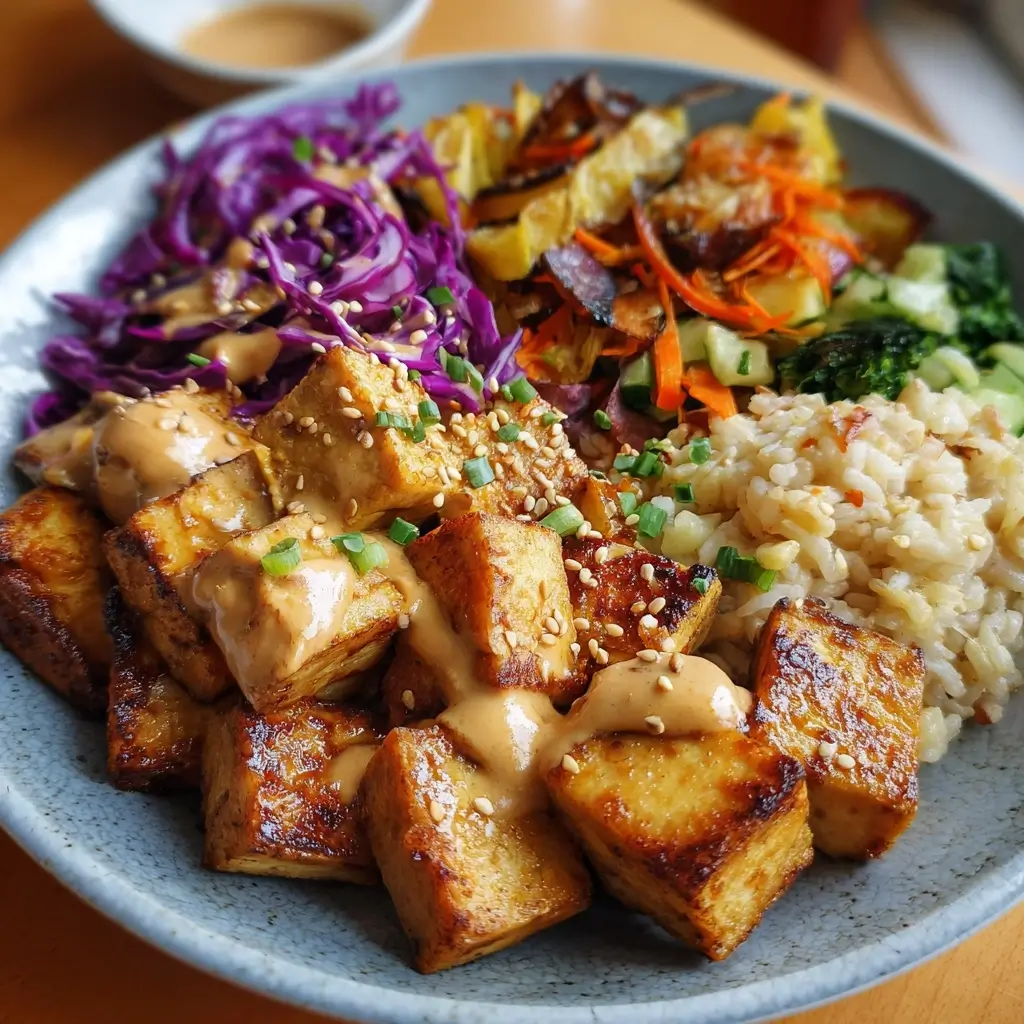
There are certain recipes that completely change the way you think about food, and this Peanut Tofu Vegetarian Buddha Bowl is one of them. For the longest time, I struggled to find a meal that ticked all the boxes for my family. It needed to be healthy enough for me, satisfying enough for my partner who is used to heartier meals, and interesting enough that we wouldn’t get bored of it. I’ll admit, I was skeptical that a vegetarian bowl could deliver that “wow” factor. The first time I made it, the aroma of the peanut sauce alone had everyone drifting into the kitchen. When we finally sat down to eat, the silence was golden. It was the sound of pure, unadulterated enjoyment. The combination of the perfectly crispy, savory baked tofu, the creamy and tangy peanut dressing, the fresh crunch of the vegetables, and the wholesome quinoa base was a symphony of textures and flavors. It wasn’t just “good for a vegetarian meal”; it was one of the best meals we’d had, period. It has since become a staple in our home, our go-to for a vibrant weeknight dinner that feels both incredibly nourishing and wonderfully indulgent. It’s a meal that proves that plant-based eating is not about restriction, but about an abundance of flavor, color, and satisfaction.
Ingredients
This recipe is broken down into three main components: the crispy tofu, the luscious peanut sauce, and the fresh bowl assembly. Using high-quality, fresh ingredients will elevate the final dish from good to unforgettable.
For the Crispy Baked Tofu:
- 1 (16-ounce) block of extra-firm tofu: This is crucial. Extra-firm tofu contains the least amount of water, allowing it to become wonderfully crispy when baked.
- 2 tablespoons soy sauce or tamari: Use tamari for a gluten-free option. This provides the primary savory, umami flavor for the tofu marinade.
- 1 tablespoon cornstarch: This is the secret weapon for a truly crispy exterior. It creates a light, dry coating that crisps up beautifully in the oven.
- 1 tablespoon avocado oil or other neutral oil: A high-smoke point oil helps with browning and prevents sticking without adding a strong flavor.
- 1 teaspoon garlic powder: Adds a deep, aromatic flavor that pairs perfectly with the soy sauce.
- ½ teaspoon ground ginger: Provides a warm, slightly spicy note that complements the entire flavor profile.
For the Creamy Peanut Sauce:
- ½ cup creamy, natural peanut butter: Choose a brand with just peanuts and salt for the purest flavor and best consistency.
- ¼ cup warm water: This is used to thin the sauce to a perfect drizzle-able consistency. You may need slightly more or less.
- 3 tablespoons soy sauce or tamari: Adds saltiness and a deep umami flavor to balance the richness of the peanut butter.
- 2 tablespoons pure maple syrup: Provides a touch of sweetness to balance the salty and tangy elements. You can substitute with agave nectar.
- 1 tablespoon rice vinegar: This acidic element is key. It brightens up the sauce and cuts through the richness of the fat.
- 1 tablespoon toasted sesame oil: Lends a distinctive nutty, aromatic flavor that is essential for an authentic Asian-inspired dressing.
- 1-2 teaspoons sriracha or other chili garlic sauce (optional): Adjust to your preferred level of heat. It adds a wonderful kick that elevates the sauce.
- 1 clove garlic, minced: Fresh garlic provides a pungent, sharp flavor that is much better than powder in this sauce.
- 1 teaspoon fresh ginger, grated: Fresh ginger gives a vibrant, zesty spice that enlivens the entire dressing.
For the Buddha Bowl Assembly:
- 2 cups cooked quinoa: A fantastic gluten-free, high-protein base. You can also use brown rice, farro, or even soba noodles.
- 2 large carrots, julienned or shredded: Adds a sweet crunch and vibrant orange color.
- 1 large cucumber, thinly sliced or diced: Provides a cool, refreshing, and hydrating element.
- 1 cup shelled edamame, steamed or boiled: These add a pop of green, a satisfying chew, and a great boost of plant-based protein.
- 1 cup shredded red cabbage: Lends a beautiful purple hue and a sturdy, peppery crunch.
- 1 avocado, sliced: Adds a creamy, luxurious texture and healthy fats that make the bowl more satisfying.
- Optional Garnishes: Fresh cilantro, chopped peanuts, sesame seeds, lime wedges, sliced green onions.
Instructions
Follow these steps carefully to achieve the perfect balance of textures and flavors. The process can be streamlined by preparing the sauce and vegetables while the tofu is baking.
Step 1: Press and Prepare the Tofu
This is the most important step for achieving crispy tofu! Do not skip it. Drain the block of tofu from its packaging. To press it, wrap the block in several layers of paper towels or a clean kitchen towel. Place it on a plate and put something heavy on top, like a cast-iron skillet, a few cookbooks, or a tofu press. Let it press for at least 30 minutes, but an hour is even better. This removes excess water, allowing the tofu to absorb the marinade and get crispy instead of steaming in the oven. Once pressed, unwrap the tofu and cut it into ¾-inch to 1-inch cubes.
Step 2: Marinate the Tofu
In a medium-sized bowl, add the tofu cubes. In a separate small bowl, whisk together the 2 tablespoons of soy sauce (or tamari), avocado oil, garlic powder, and ground ginger. Pour this mixture over the tofu cubes and gently toss to coat every piece evenly. Let it marinate for at least 15 minutes, allowing the flavors to penetrate the tofu.
Step 3: Coat and Bake the Tofu
Preheat your oven to 400°F (200°C). Line a large baking sheet with parchment paper for easy cleanup and to prevent sticking. Sprinkle the 1 tablespoon of cornstarch over the marinated tofu cubes and toss again gently until the tofu is lightly dusted with a thin, even coating. Spread the tofu cubes in a single layer on the prepared baking sheet. Make sure not to overcrowd the pan; use two pans if necessary. Crowding will cause the tofu to steam rather than bake, preventing it from getting crispy. Bake for 25-30 minutes, flipping the cubes halfway through, until they are golden brown and crispy on all sides.
Step 4: Prepare the Creamy Peanut Sauce
While the tofu is baking, prepare the sauce. In a medium bowl or a jar with a lid, combine the creamy peanut butter, warm water, 3 tablespoons of soy sauce (or tamari), maple syrup, rice vinegar, toasted sesame oil, minced garlic, grated ginger, and optional sriracha. Whisk vigorously (or shake the jar) until the sauce is completely smooth and creamy. If the sauce is too thick, add more warm water, one teaspoon at a time, until it reaches your desired drizzling consistency. If it’s too thin, you can whisk in a little more peanut butter. Taste and adjust seasonings if needed—more maple syrup for sweetness, more sriracha for heat, or more rice vinegar for tang.
Step 5: Prepare the Grains and Vegetables
If you haven’t already, cook your quinoa or brown rice according to package directions. While the tofu bakes and the grains cook, wash and chop all your vegetables. Julienning the carrots, thinly slicing the cucumber, shredding the cabbage, and steaming the edamame can all be done during this time. Slice the avocado right before serving to prevent it from browning.
Step 6: Assemble Your Buddha Bowl
Once all the components are ready, it’s time for the fun part: assembly! Start by dividing the cooked quinoa evenly between two large bowls. Arrange the crispy baked tofu, julienned carrots, sliced cucumber, steamed edamame, and shredded red cabbage in separate sections on top of the quinoa, creating a colorful mosaic. Add the sliced avocado.
Step 7: Drizzle and Garnish
Drizzle the creamy peanut sauce generously over the entire bowl. Don’t be shy! Garnish with a sprinkle of chopped fresh cilantro, a few chopped peanuts for extra crunch, a dash of sesame seeds, and some sliced green onions. Serve immediately with a lime wedge on the side for squeezing over the top, which adds a final burst of freshness.
Nutrition Facts
- Servings: 2 large bowls
- Calories per serving: Approximately 680 calories
This bowl is not just delicious; it’s a nutritional powerhouse designed to fuel your body and delight your taste buds.
- High in Protein (Approx. 30g per serving): The combination of tofu, quinoa, edamame, and peanut butter makes this meal incredibly rich in plant-based protein. Protein is essential for muscle repair, immune function, and keeping you feeling full and satisfied for hours.
- Excellent Source of Fiber (Approx. 15g per serving): With a colorful array of vegetables and whole-grain quinoa, this bowl is packed with dietary fiber. Fiber is crucial for digestive health, helps regulate blood sugar levels, and contributes to a feeling of fullness, aiding in weight management.
- Rich in Healthy Fats (Approx. 35g per serving): The avocado, peanut butter, and sesame oil provide a wealth of monounsaturated and polyunsaturated fats. These “good” fats are vital for brain health, reducing inflammation, and helping your body absorb fat-soluble vitamins like A, D, E, and K.
- Loaded with Vitamins and Minerals: Each ingredient contributes to a wide spectrum of micronutrients. You’ll get iron from the tofu and quinoa, Vitamin C from the cabbage and lime, Vitamin A from the carrots, and a host of B vitamins that are essential for energy metabolism.
- Complex Carbohydrates for Sustained Energy: The quinoa or brown rice base provides complex carbohydrates, which are digested slowly. This results in a steady release of energy, preventing the blood sugar spikes and crashes associated with refined carbs, and keeping you energized throughout the day.
Preparation Time
- Active Prep Time: 20 minutes (for pressing tofu, chopping vegetables, and mixing the sauce)
- Cooking Time: 30 minutes (for baking the tofu and cooking the grains)
- Total Time: Approximately 50 minutes
While the tofu is pressing and then baking, you have the perfect window to prepare all the other components. This multi-tasking approach makes the recipe highly efficient for a weeknight, delivering a restaurant-quality meal in under an hour.
How to Serve
A Buddha bowl is a work of art, and its presentation is part of the experience. Here are a few creative and practical ways to serve your Peanut Tofu Vegetarian Buddha Bowl:
- The Classic Layered Bowl:
- Start with a warm base of quinoa or brown rice at the bottom of a wide, shallow bowl.
- Arrange each vegetable and the crispy tofu in its own distinct section on top of the grains. This creates a visually stunning, colorful pinwheel effect.
- Place the sliced avocado in the center or fanned out on one side.
- Drizzle the peanut sauce artfully over the top in a zigzag pattern.
- Finish with a generous sprinkle of all the garnishes: cilantro, peanuts, and sesame seeds.
- Deconstructed for Picky Eaters:
- Serve on a platter or a plate with separated compartments.
- Place a scoop of grains, a pile of crispy tofu, and small mounds of each vegetable separately.
- Serve the peanut sauce in a small dipping bowl on the side.
- This allows individuals, especially children, to pick and choose what they like and control the amount of sauce they use.
- As a Hearty Salad:
- For a lighter, lower-carb version, skip the grains.
- Use a large bed of mixed greens, spinach, or romaine lettuce as the base.
- Arrange all the toppings (tofu, veggies, avocado) over the greens.
- The peanut sauce doubles perfectly as a rich and creamy salad dressing.
- Buddha Bowl Bar for a Crowd:
- This is a fantastic idea for a casual get-together or family dinner.
- Set up a buffet-style bar with each component in a separate bowl: one for the grains, one for the tofu, and individual bowls for each vegetable, the sauce, and all the garnishes.
- Let everyone build their own perfect bowl according to their preferences.
Additional Tips
Master this recipe and make it your own with these eight expert tips.
- Seriously, Press Your Tofu: This cannot be overstated. It is the single most important factor between soggy tofu and gloriously crispy tofu. If you find you make tofu often, investing in a dedicated tofu press is a game-changer and makes the process incredibly simple.
- Don’t Crowd the Baking Sheet: Give your tofu cubes personal space on the baking sheet. Spreading them in a single, even layer with space in between allows hot air to circulate around each piece, crisping it from all sides. If you crowd them, they will trap steam and become soft.
- Achieve the Perfect Sauce Consistency: The consistency of peanut butter can vary greatly by brand. If your sauce is too thick, whisk in warm water one teaspoon at a time. If you accidentally make it too thin, whisk in a tablespoon of peanut butter to thicken it back up.
- Meal Prep Like a Pro: This recipe is a dream for meal prepping. Cook a large batch of grains and bake the tofu ahead of time. Chop all your vegetables (except the avocado) and store them in airtight containers. Store the sauce in a separate jar. When you’re ready to eat, simply assemble your bowl in minutes. The tofu is delicious cold, or you can quickly reheat it in an air fryer or toaster oven to bring back its crispiness.
- Embrace Seasonal Swaps: Don’t feel locked into the listed vegetables. This bowl is a canvas. In the fall, add roasted butternut squash or sweet potatoes. In the summer, try grilled zucchini, bell peppers, or fresh corn. Use what’s in season for the best flavor and value.
- Control the Spice Level: The peanut sauce is easily customizable. If you love heat, add extra sriracha or a pinch of red pepper flakes. If you’re serving it to kids or those sensitive to spice, you can leave the sriracha out entirely and serve it on the side.
- Ensure it’s 100% Gluten-Free: To make this recipe completely gluten-free, simply ensure you are using tamari instead of regular soy sauce, as soy sauce often contains wheat. All other ingredients listed are naturally gluten-free.
- Get Creative With Your Grain Base: While quinoa is a fantastic choice, variety is the spice of life! Try a chewy, nutty grain like farro or barley (note: these contain gluten). For a different texture, serve the toppings over fluffy white or brown rice, or even a bed of chilled soba noodles.
FAQ Section
Here are answers to some of the most common questions about making this delicious Buddha bowl.
1. Can I use a different protein besides tofu?
Absolutely! This bowl is very versatile. Crispy roasted chickpeas are a wonderful substitute. Simply drain, rinse, and dry a can of chickpeas, toss with oil and spices, and roast at 400°F (200°C) for 20-25 minutes. Tempeh is another great option; you can crumble or cube it and pan-fry or bake it just like the tofu.
2. My peanut sauce is too thick and clumpy. How do I fix it?
This usually happens when cold liquid is added to the peanut butter. The key is to use warm water, which helps the peanut butter melt and emulsify smoothly. If it’s still clumpy, keep whisking! It can take a minute or two for the fats to fully incorporate. If it’s just too thick, continue adding warm water, just a tiny bit at a time, until it smooths out into a creamy, pourable sauce.
3. Can I cook the tofu in an air fryer?
Yes, an air fryer is a fantastic tool for making extra-crispy tofu! After pressing and marinating, place the tofu cubes in the air fryer basket in a single layer. Cook at 375°F (190°C) for about 15-20 minutes, shaking the basket halfway through, until golden brown and crispy.
4. Is this recipe vegan?
Yes, this recipe is 100% vegan as written. It uses all plant-based ingredients, with maple syrup serving as the sweetener in the peanut sauce. Ensure your peanut butter doesn’t contain honey if you’re aiming for a strictly vegan dish.
5. How long will the leftovers last in the fridge?
For the best results, store the components separately in airtight containers. The cooked grains, vegetables, and sauce will last for up to 4 days. The tofu will last for 4 days as well, but it will lose its crispiness. You can revive it by reheating it in an air fryer, a hot oven, or a skillet for a few minutes. Store sliced avocado with a squeeze of lime juice to prevent browning, but it’s best cut fresh.
6. I have a peanut allergy. Is there a good substitute for the sauce?
Definitely. You can make a delicious and similar sauce using other nut or seed butters. Creamy almond butter or cashew butter would work well. For a nut-free option, sunflower seed butter or tahini (sesame seed paste) are excellent substitutes that will create a rich, creamy, and flavorful dressing.
7. Can I use pre-cooked, packaged grains to save time?
Of course! Using a pouch of pre-cooked microwaveable quinoa or brown rice is a brilliant shortcut for busy weeknights. It can cut down your total prep and cook time significantly, making this healthy meal even more accessible.
8. What is the best kind of tofu to use for this recipe?
Extra-firm or super-firm tofu is the best choice. These varieties have the lowest water content, which is essential for getting that crispy, chewy texture when baked or air-fried. Avoid using silken, soft, or medium tofu, as they will fall apart and will not crisp up.