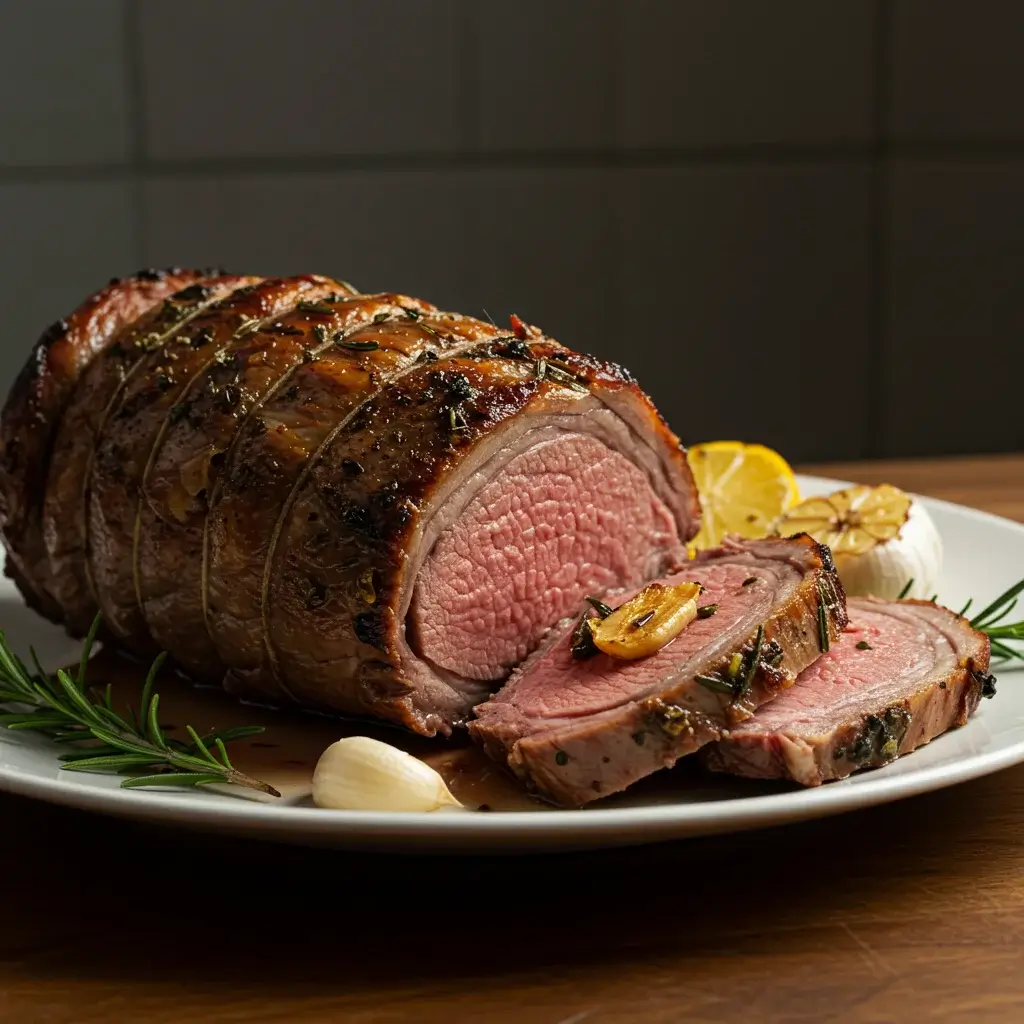
Roast lamb with garlic and rosemary is a classic dish that never fails to impress. This traditional recipe is perfect for special occasions, family gatherings, or a cozy Sunday dinner. The combination of succulent lamb, aromatic garlic, and fresh rosemary creates a harmony of flavors that will leave your taste buds craving more. In this comprehensive guide, we’ll walk you through every step of making this delightful dish, from selecting the finest ingredients to serving it with style. Let’s dive into the world of culinary excellence with this exquisite roast lamb recipe.
Ingredients
Before you start cooking, gather the following ingredients to ensure a seamless cooking experience:
- Leg of lamb (4-5 pounds)
- Fresh rosemary (4-5 sprigs)
- Garlic cloves (8-10, peeled and sliced)
- Olive oil (3 tablespoons)
- Salt (to taste)
- Black pepper (to taste)
- Lemon (1, juiced)
- Red wine (1 cup, optional for added depth of flavor)
- Vegetables for roasting (optional, such as carrots, potatoes, and onions)
Instructions
Creating the perfect roast lamb with garlic and rosemary involves a few simple steps. Follow these instructions to achieve a mouthwatering result:
Preparation
- Preheat the Oven: Start by preheating your oven to 350°F (175°C). This ensures that the lamb cooks evenly throughout.
- Prepare the Lamb: Rinse the leg of lamb under cold water and pat it dry with paper towels. Place it in a large roasting pan.
- Season the Lamb: Rub the lamb generously with salt and black pepper. Ensure that the seasoning covers all sides for maximum flavor.
- Insert Garlic and Rosemary: Use a sharp knife to make small incisions (about 1 inch deep) all over the lamb. Insert slices of garlic and small sprigs of rosemary into these incisions. This infuses the meat with aromatic flavors.
Marinating
- Marinate the Lamb: In a small bowl, mix the olive oil and lemon juice. Pour this mixture over the lamb, ensuring it coats the entire surface. Let the lamb marinate for at least 30 minutes at room temperature, or cover and refrigerate it for up to 24 hours for a more intense flavor.
Roasting
- Add Vegetables: If you’re including vegetables, chop them into large chunks and arrange them around the lamb in the roasting pan.
- Roast the Lamb: Place the roasting pan in the preheated oven. Roast the lamb for approximately 20 minutes per pound for medium-rare, or adjust the time to your preferred level of doneness. Baste the lamb occasionally with the pan juices to keep it moist.
- Optional: Add Red Wine: For a richer sauce, pour the red wine into the roasting pan during the last hour of cooking. This will create a delicious gravy to accompany the lamb.
Finishing Touches
- Rest the Lamb: Once cooked to your liking, remove the lamb from the oven and let it rest for 15-20 minutes. This allows the juices to redistribute, resulting in a more tender and flavorful roast.
- Carve and Serve: Carve the lamb into slices and arrange them on a serving platter. Serve with the roasted vegetables and pan juices.
Nutrition Facts
Understanding the nutritional content of your meal is important for maintaining a balanced diet. Here’s a breakdown of the nutrition facts for roast lamb with garlic and rosemary (per serving, based on 8 servings):
- Calories: Approximately 350
- Protein: 30g
- Fat: 25g
- Saturated Fat: 10g
Please note that these values can vary based on specific ingredients and portion sizes.
How to Serve
Roast lamb with garlic and rosemary is a versatile dish that pairs beautifully with a variety of sides, elevating the overall dining experience. Below are comprehensive serving suggestions that will help you create a well-rounded meal that delights the palate.
Traditional Accompaniments
- Roasted Potatoes: The quintessential side for roast lamb, roasted potatoes are celebrated for their crispy exterior and fluffy interior. To prepare them, choose a waxy variety such as Yukon Gold or a starchy variety like Russet, depending on your preference. Toss the potatoes in olive oil, salt, pepper, and perhaps a sprinkle of garlic powder or rosemary to echo the flavors of your lamb. Roast them at high heat (around 425°F or 220°C) until golden brown and crispy, turning them halfway through for even cooking. For an extra touch, consider drizzling them with balsamic glaze just before serving for an added depth of flavor.
- Mint Sauce: This classic condiment is a must-have when serving roast lamb. The refreshing and slightly sweet flavor of mint sauce cuts through the richness of the meat, enhancing its savory notes. To make mint sauce, finely chop fresh mint leaves and combine them with sugar and vinegar (white wine or apple cider vinegar works well). Allow the mixture to sit for at least 30 minutes so the flavors meld before serving. For an added twist, consider blending some fresh mint with yogurt to create a mint yogurt sauce, which adds a creamy texture and tanginess.
- Steamed Vegetables: Lightly steamed vegetables such as green beans, asparagus, or broccoli not only add color and nutrition to your plate but also balance the richness of the lamb. To prepare, simply steam the vegetables until they are bright in color and tender-crisp. Season with a drizzle of olive oil, a squeeze of lemon juice, and a sprinkle of sea salt. Adding fresh herbs like parsley or dill can also enhance the flavor profile while bringing a fresh element to the dish.
- Gravy or Sauce: A rich gravy or sauce can take your roast lamb to the next level. Consider making a red wine reduction using the drippings from the roast, combined with red wine, beef or lamb stock, and a bit of butter for richness. Alternatively, a rosemary-infused gravy can complement the herbaceous notes of the dish. Serve the gravy in a small jug on the side, allowing guests to pour as much or as little as they prefer.
- Bread: A warm, crusty loaf of bread or soft dinner rolls can be an inviting addition to your meal. They serve as a delightful vehicle for savoring the lamb and soaking up any juices or sauces. Consider offering a variety of breads, such as a rustic sourdough or a herbed focaccia, to cater to different tastes.
Wine Pairing
- Red Wine: A medium-bodied red wine is an excellent companion for roast lamb, as it complements the rich flavors of the meat without overpowering it. Merlot offers a smooth and velvety finish with notes of plum and chocolate, making it a crowd-pleaser. Pinot Noir, with its bright acidity and red fruit notes, pairs beautifully with the herbaceous qualities of the garlic and rosemary, enhancing the overall experience. For a bolder option, consider a Syrah or Cabernet Sauvignon, which can stand up to the robust flavors of the lamb.
- White Wine: If you prefer white wine, a full-bodied Chardonnay is an excellent choice. Its buttery texture and hints of oak provide a perfect counterbalance to the savory elements of the dish. For a more refreshing option, a Viognier with its floral aromas and stone fruit notes can also work well, especially if you have a lighter herbaceous sauce accompanying the lamb. If you’re feeling adventurous, a Sauvignon Blanc can offer a zesty contrast to the richness of the meat, particularly if you include a squeeze of lemon in your vegetable preparations.
Final Touches
To elevate your serving presentation, consider garnishing the dish with fresh rosemary sprigs or a sprinkle of fresh herbs. Arrange your sides artfully around the roast lamb, and present your wine in elegant glasses to set the mood for a delightful dining experience. With these serving suggestions, your roast lamb with garlic and rosemary will not only taste exquisite but will also look stunning on the table, ensuring a memorable meal for you and your guests.
Additional Tips
Achieving the perfect roast lamb involves more than just following a recipe; it’s about understanding the nuances of the meat and the cooking process. Here are several comprehensive tips to ensure your roast lamb turns out delicious every time.
Choose the Right Cut
When it comes to roasting lamb, the cut you select can significantly influence both the flavor and texture of the final dish.
- Leg of Lamb: This is the most commonly used cut and is favored for its balance of meat and fat. It can be roasted whole or cut into smaller pieces. When roasting a whole leg, aim for an internal temperature of 145°F (medium-rare) to 160°F (medium).
- Shoulder of Lamb: This cut is slightly tougher due to its higher fat content and muscle structure but is incredibly flavorful. It benefits from slow roasting, which breaks down the connective tissue, resulting in fall-off-the-bone tenderness. A shoulder roast typically requires a longer cooking time, around 3 to 4 hours at a lower temperature (around 325°F).
- Rack of Lamb: Known for its impressive presentation, a rack of lamb consists of rib chops and cooks relatively quickly. It’s best served medium-rare, with an internal temperature of about 130°F. For a stunning crust, consider searing the rack in a hot pan before roasting.
Adjust your cooking times based on the cut and your desired doneness to ensure optimal results.
Use Fresh Herbs
Herbs are a fundamental component of lamb dishes, enhancing the meat’s natural flavors. While dried herbs can be convenient, they lack the vibrancy and aromatic qualities of fresh herbs.
- Rosemary: This herb pairs exceptionally well with lamb, offering a robust and earthy flavor that complements the meat beautifully. For the best results, chop fresh rosemary finely and rub it directly onto the meat, or infuse it in olive oil for a marinade.
- Thyme and Mint: Both of these herbs also work well with lamb. Thyme provides a subtle earthiness, while mint adds a refreshing contrast. Consider mixing herbs for a more complex flavor profile or using them as a garnish to elevate the dish.
Using fresh herbs not only enhances flavor but also adds a visual appeal to your roast lamb, making it even more enticing.
Room Temperature Lamb
Letting your lamb come to room temperature before roasting is a crucial step often overlooked.
- Why It Matters: When meat is cold, it cooks unevenly, leading to a dry exterior and an undercooked interior. Allowing the lamb to sit out for about 30 to 60 minutes before cooking helps to ensure even cooking throughout.
- Practical Tips: If you’re roasting a larger cut, such as a leg or shoulder, remove it from the refrigerator at least an hour before cooking. For smaller cuts like a rack, 30 minutes should suffice. Always cover the meat loosely with foil or parchment paper to prevent it from drying out while it comes to temperature.
Resting is Key
One of the most critical steps in cooking meat is the resting period.
- What Happens During Resting: After roasting, the juices within the meat redistribute. If you cut into the lamb immediately after cooking, the juices will run out, resulting in a drier texture. Resting allows the fibers to relax and reabsorb the juices, leading to a more succulent and flavorful roast.
- How Long to Rest: For smaller cuts, let the lamb rest for about 10 to 15 minutes. For larger cuts, like a leg or shoulder, aim for 20 to 30 minutes. Cover the meat loosely with foil to retain warmth while it rests.
Incorporating these tips into your roasting routine will not only enhance the flavor and texture of your lamb but will also impress your guests with a beautifully cooked centerpiece. Whether you’re preparing a traditional family meal or a special occasion feast, these techniques will help you elevate your roast lamb to a new level of deliciousness.
FAQs
Here are some frequently asked questions about roast lamb with garlic and rosemary:
1. Can I use dried rosemary instead of fresh?
While fresh rosemary is recommended for its aromatic qualities, you can use dried rosemary in a pinch. Use about one-third of the amount called for in fresh.
2. How do I know when the lamb is cooked?
The internal temperature of the lamb should reach 145°F (63°C) for medium-rare. Use a meat thermometer for accuracy.
3. Can I prepare the lamb in advance?
Yes, you can marinate the lamb up to 24 hours in advance. This allows the flavors to develop further.
4. What can I use instead of red wine for the gravy?
If you prefer not to use wine, substitute it with beef or chicken broth for a flavorful sauce.
5. How do I store leftovers?
Store leftover lamb in an airtight container in the refrigerator for up to 3 days. Reheat gently to avoid drying out the meat.
Conclusion
Roast lamb with garlic and rosemary is a timeless dish that brings warmth and elegance to any table. With its tender meat and aromatic flavors, it’s sure to become a favorite in your culinary repertoire. By following this detailed guide, you’ll master the art of making a perfect roast lamb that delights your family and guests alike. Whether you’re serving it for a holiday feast or a casual dinner, this classic recipe is a testament to the simple pleasures of good food shared with loved ones. Enjoy the process, savor the flavors, and create lasting memories with this exquisite dish.
Print
Roast Lamb with Garlic and Rosemary
Ingredients
Before you start cooking, gather the following ingredients to ensure a seamless cooking experience:
- Leg of lamb (4-5 pounds)
- Fresh rosemary (4-5 sprigs)
- Garlic cloves (8-10, peeled and sliced)
- Olive oil (3 tablespoons)
- Salt (to taste)
- Black pepper (to taste)
- Lemon (1, juiced)
- Red wine (1 cup, optional for added depth of flavor)
- Vegetables for roasting (optional, such as carrots, potatoes, and onions)
Instructions
Creating the perfect roast lamb with garlic and rosemary involves a few simple steps. Follow these instructions to achieve a mouthwatering result:
Preparation
- Preheat the Oven: Start by preheating your oven to 350°F (175°C). This ensures that the lamb cooks evenly throughout.
- Prepare the Lamb: Rinse the leg of lamb under cold water and pat it dry with paper towels. Place it in a large roasting pan.
- Season the Lamb: Rub the lamb generously with salt and black pepper. Ensure that the seasoning covers all sides for maximum flavor.
- Insert Garlic and Rosemary: Use a sharp knife to make small incisions (about 1 inch deep) all over the lamb. Insert slices of garlic and small sprigs of rosemary into these incisions. This infuses the meat with aromatic flavors.
Marinating
- Marinate the Lamb: In a small bowl, mix the olive oil and lemon juice. Pour this mixture over the lamb, ensuring it coats the entire surface. Let the lamb marinate for at least 30 minutes at room temperature, or cover and refrigerate it for up to 24 hours for a more intense flavor.
Roasting
- Add Vegetables: If you’re including vegetables, chop them into large chunks and arrange them around the lamb in the roasting pan.
- Roast the Lamb: Place the roasting pan in the preheated oven. Roast the lamb for approximately 20 minutes per pound for medium-rare, or adjust the time to your preferred level of doneness. Baste the lamb occasionally with the pan juices to keep it moist.
- Optional: Add Red Wine: For a richer sauce, pour the red wine into the roasting pan during the last hour of cooking. This will create a delicious gravy to accompany the lamb.
Finishing Touches
- Rest the Lamb: Once cooked to your liking, remove the lamb from the oven and let it rest for 15-20 minutes. This allows the juices to redistribute, resulting in a more tender and flavorful roast.
- Carve and Serve: Carve the lamb into slices and arrange them on a serving platter. Serve with the roasted vegetables and pan juices.
Nutrition
- Serving Size: one normal portion
- Calories: 350
- Fat: 25g
- Saturated Fat: 10g
- Protein: 30g