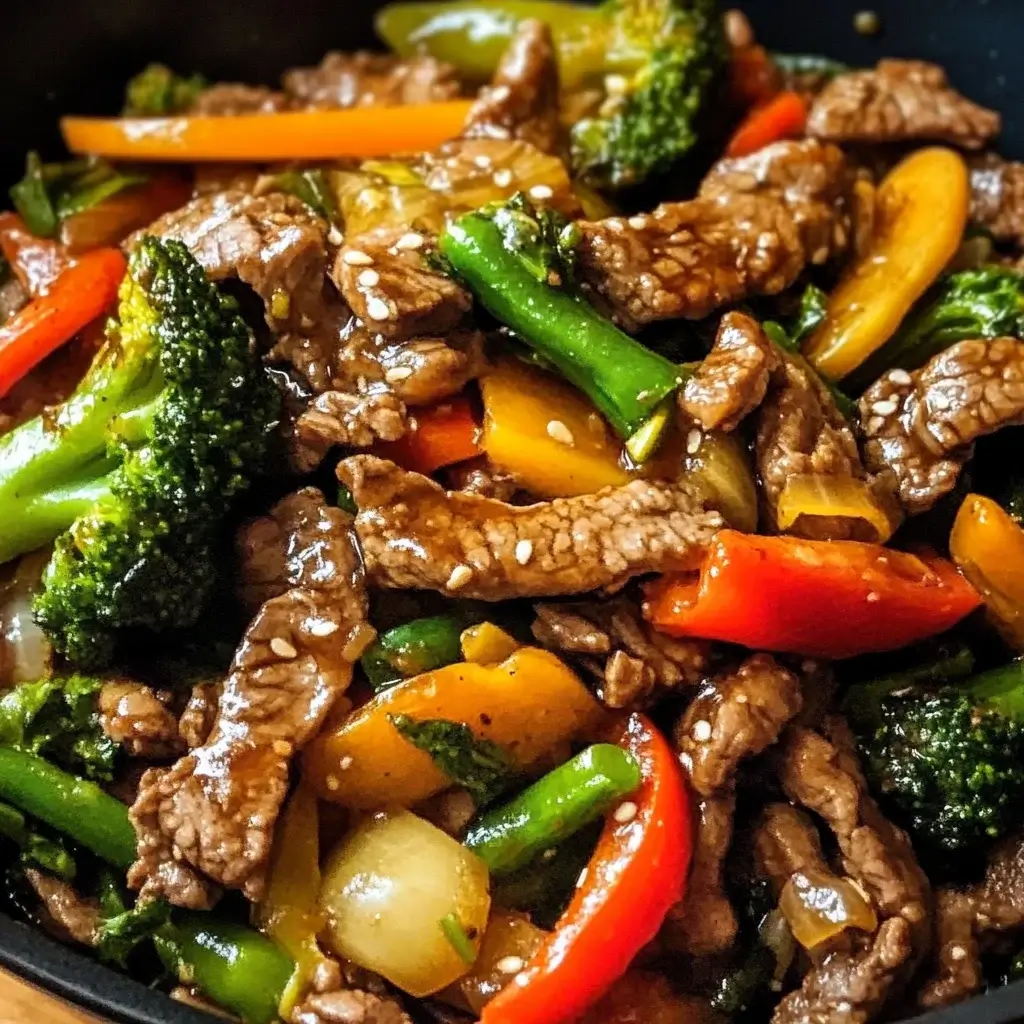
Weeknight dinners at our house can sometimes feel like a culinary tightrope walk – balancing speed, health, and most importantly, taste! For years, the struggle was real until I stumbled upon the magic of stir-fries. This Satisfying Beef and Vegetable Stir-Fry recipe, in particular, has become a true champion in our kitchen. It’s vibrant, packed with goodness, and incredibly adaptable to whatever vegetables we have on hand. Even my pickiest eaters devour it, and I love knowing they’re getting a healthy dose of protein and veggies in one delicious, satisfying meal. From busy weeknights to casual weekend gatherings, this stir-fry has consistently proven to be a winner, and I’m excited to share the recipe and all my tips for making it perfect every time.
Ingredients
- For the Beef Marinade:
- 1 pound beef sirloin or flank steak, thinly sliced against the grain
- 2 tablespoons soy sauce (low sodium preferred)
- 1 tablespoon cornstarch
- 1 tablespoon rice wine or dry sherry
- 1 teaspoon sesame oil
- 1/2 teaspoon ground ginger
- 1/4 teaspoon black pepper
- For the Stir-Fry Sauce:
- 1/4 cup soy sauce (low sodium preferred)
- 2 tablespoons oyster sauce (optional, for richer flavor)
- 2 tablespoons hoisin sauce
- 1 tablespoon rice vinegar
- 1 tablespoon brown sugar or honey
- 1 tablespoon cornstarch
- 1/2 cup chicken broth or water
- 1 teaspoon sesame oil
- 1 clove garlic, minced
- 1/2 teaspoon grated fresh ginger (or 1/4 teaspoon ground ginger)
- Pinch of red pepper flakes (optional, for a touch of heat)
- For the Stir-Fry Vegetables:
- 2 tablespoons vegetable oil or peanut oil
- 1 large onion, sliced
- 2 bell peppers (any color), sliced into strips
- 2 carrots, thinly sliced or julienned
- 1 cup broccoli florets
- 1 cup snap peas or snow peas
- 1 cup mushrooms, sliced (shiitake, cremini, or white button)
- 1 (8-ounce) can water chestnuts, drained and sliced
- 1 cup baby corn, halved or quartered lengthwise
- 2 green onions, chopped, for garnish (optional)
- Sesame seeds, for garnish (optional)
Detailed Ingredient Breakdown & Substitutions for a Perfect Stir-Fry
Let’s delve deeper into each ingredient, exploring why they are essential and offering smart substitutions to tailor this stir-fry to your preferences and pantry:
- Beef:
- Sirloin or Flank Steak: These are the stars of the show, offering tenderness and rich beefy flavor. Sirloin is leaner, while flank steak boasts a more robust taste. Slicing against the grain is crucial for tenderness, breaking down muscle fibers for a melt-in-your-mouth texture.
- Substitution: If beef isn’t your preference, chicken breast or thighs (sliced), shrimp, or firm tofu (cubed and pressed) work wonderfully. For a vegetarian option, consider adding extra-firm tofu or tempeh along with more hearty vegetables like eggplant or zucchini.
- Marinade Magic:
- Soy Sauce (Low Sodium): The foundation of the marinade, soy sauce infuses umami and saltiness into the beef. Low sodium is recommended to control salt levels, especially since soy sauce is also in the stir-fry sauce.
- Cornstarch: This is the secret to tender stir-fry beef. Cornstarch creates a protective coating that seals in juices during cooking, resulting in incredibly soft and succulent beef.
- Rice Wine or Dry Sherry: These add a subtle sweetness and depth of flavor, tenderizing the meat further.
- Substitution: Dry white wine or even apple cider vinegar can be used as substitutes if you don’t have rice wine or sherry.
- Sesame Oil: A touch of toasted sesame oil in the marinade adds a nutty aroma and flavor that complements the beef beautifully.
- Ground Ginger & Black Pepper: These spices provide warmth and a subtle kick, enhancing the overall flavor profile. Freshly grated ginger is even better if you have it on hand!
- Stir-Fry Sauce Symphony:
- Soy Sauce (Low Sodium): Just like in the marinade, soy sauce forms the salty and umami base of the stir-fry sauce.
- Oyster Sauce (Optional): This thick, savory sauce adds a depth of umami and richness that elevates the stir-fry. It’s made from oyster extracts and adds a complex, slightly sweet and salty flavor.
- Substitution: If you don’t have oyster sauce or prefer a vegetarian option, you can use more hoisin sauce or a combination of soy sauce and a touch of molasses or brown sugar for depth. Mushroom soy sauce is another excellent vegetarian alternative.
- Hoisin Sauce: A sweet and savory sauce with a distinct flavor profile, hoisin sauce brings sweetness, umami, and a hint of spice to the sauce. It’s made from fermented soybeans, spices, and sweeteners.
- Rice Vinegar: Vinegar provides acidity, balancing the sweetness and saltiness of the other sauces and adding brightness to the overall flavor.
- Brown Sugar or Honey: These sweeteners balance the savory elements and create a glossy, delicious sauce. Brown sugar adds a molasses-like depth, while honey offers a floral sweetness.
- Cornstarch: Essential for thickening the stir-fry sauce to a beautiful, glossy consistency that coats the beef and vegetables perfectly.
- Chicken Broth or Water: Provides liquid to create the sauce and helps to steam the vegetables slightly during stir-frying. Chicken broth adds more flavor, but water works just fine.
- Sesame Oil: Another touch of toasted sesame oil in the sauce adds a nutty aroma and enhances the overall Asian-inspired flavor.
- Garlic & Ginger: Aromatic powerhouses that are essential in stir-fries, garlic and ginger provide pungent, warming flavors that complement the beef and vegetables. Freshly minced garlic and grated ginger are always best for maximum flavor.
- Red Pepper Flakes (Optional): For those who like a little heat, a pinch of red pepper flakes adds a subtle kick to the sauce. Adjust the amount to your spice preference.
- Vibrant Vegetables:
- Vegetable Oil or Peanut Oil: High-heat oils are crucial for stir-frying as they can withstand the high temperatures needed to quickly cook and sear the ingredients without smoking excessively. Peanut oil adds a slightly nutty flavor that is classic in Asian cooking.
- Substitution: Canola oil, grapeseed oil, or avocado oil are also good high-heat options.
- Onion: Adds a foundational aromatic base and sweetness to the stir-fry. Yellow or white onions are good choices.
- Bell Peppers: Provide sweetness, crunch, and vibrant color. Any color bell pepper works well – red, yellow, orange, or green.
- Carrots: Add sweetness, crunch, and a beautiful orange hue. Thinly sliced or julienned carrots cook quickly and evenly.
- Broccoli Florets: A classic stir-fry vegetable, broccoli adds a slightly bitter, earthy flavor and a satisfying crunch.
- Snap Peas or Snow Peas: Offer a delicate sweetness and a delightful crisp-tender texture. Snap peas have thicker pods and are slightly sweeter, while snow peas are flatter and more delicate.
- Mushrooms: Add earthy umami and a meaty texture. Shiitake, cremini, or white button mushrooms are all excellent choices. Shiitake mushrooms offer a more intense flavor.
- Water Chestnuts: Provide a unique crunchy texture and a slightly sweet, nutty flavor. Canned water chestnuts are readily available and convenient.
- Baby Corn: Adds a delicate sweetness and a crisp-tender texture. Fresh or canned baby corn can be used.
- Green Onions & Sesame Seeds (Garnish): These optional garnishes add a fresh, mild oniony flavor and a nutty crunch, enhancing the visual appeal and final touch of flavor.
Instructions: Mastering the Stir-Fry Technique for Flavorful Results
Stir-frying is a fast-paced cooking method that requires a little organization but delivers incredible flavor in minutes. Follow these detailed instructions for stir-fry success:
Step 1: Marinate the Beef (30 minutes minimum, or up to overnight)
- Prepare the Beef: Slice the beef sirloin or flank steak thinly against the grain into strips about 1/4 inch thick. This step is crucial for tender beef. Slicing against the grain shortens the muscle fibers, making them easier to chew.
- Combine Marinade Ingredients: In a medium bowl, whisk together the soy sauce, cornstarch, rice wine or dry sherry, sesame oil, ground ginger, and black pepper. Ensure the cornstarch is fully dissolved for a smooth marinade.
- Marinate the Beef: Add the sliced beef to the marinade and toss to coat evenly. Massage the marinade into the beef for a few seconds to ensure it penetrates the meat.
- Refrigerate: Cover the bowl with plastic wrap or a lid and refrigerate for at least 30 minutes, or up to overnight for more intense flavor and tenderization. The longer the beef marinates, the more flavorful and tender it will become.
Step 2: Prepare the Stir-Fry Sauce (While Beef Marinates)
- Combine Sauce Ingredients: In a small bowl or measuring cup, whisk together the soy sauce, oyster sauce (if using), hoisin sauce, rice vinegar, brown sugar or honey, cornstarch, chicken broth or water, sesame oil, minced garlic, grated ginger, and red pepper flakes (if using).
- Whisk Until Smooth: Whisk thoroughly until the cornstarch is completely dissolved and the sauce is smooth and well combined. This ensures the sauce thickens properly and has a consistent flavor. Set aside.
Step 3: Prepare the Vegetables (While Beef Marinates)
- Wash and Chop Vegetables: Wash all the vegetables thoroughly. Slice the onion, bell peppers, and carrots into strips or desired shapes. Cut broccoli florets into bite-sized pieces. Trim snap peas or snow peas. Slice mushrooms, water chestnuts, and baby corn if necessary.
- Organize Ingredients: Have all your chopped vegetables and the prepared stir-fry sauce ready to go near your stovetop. Stir-frying is a quick process, so having everything prepped and organized is essential for efficient cooking.
Step 4: Stir-Fry the Beef and Vegetables (Fast and Furious!)
- Heat the Wok or Skillet: Heat a large wok or a large, heavy-bottomed skillet over high heat. The wok or skillet needs to be very hot before adding the oil and ingredients.
- Add Oil: Once the wok is smoking hot (or skillet is very hot), add the vegetable oil or peanut oil. Swirl the oil around to coat the bottom and sides of the wok or skillet.
- Stir-Fry the Beef: Add the marinated beef to the hot wok or skillet in a single layer (work in batches if necessary to avoid overcrowding). Stir-fry quickly and constantly, tossing and turning the beef, until it is browned on the outside and just cooked through, about 2-3 minutes. Overcooking will make the beef tough. Remove the beef from the wok and set aside.
- Stir-Fry the Onion and Bell Peppers: Add the sliced onion and bell peppers to the wok. Stir-fry for 2-3 minutes until they are slightly softened but still crisp-tender.
- Add Remaining Vegetables: Add the carrots, broccoli florets, snap peas or snow peas, mushrooms, water chestnuts, and baby corn to the wok. Stir-fry for another 3-5 minutes, or until all the vegetables are crisp-tender and brightly colored. Adjust cooking time based on your desired vegetable tenderness – some prefer them more crisp, others slightly softer.
- Pour in the Stir-Fry Sauce: Pour the prepared stir-fry sauce over the vegetables in the wok. Stir well to coat all the vegetables with the sauce.
- Bring Sauce to a Simmer and Thicken: Bring the sauce to a simmer and cook for 1-2 minutes, or until the sauce has thickened and become glossy. The cornstarch in the sauce will activate and thicken it as it heats up.
- Return Beef to the Wok: Add the cooked beef back to the wok with the vegetables and sauce. Stir to combine everything and heat through for about 1 minute. Ensure the beef is heated through and coated in the sauce.
- Garnish and Serve: Remove the stir-fry from the heat. Garnish with chopped green onions and sesame seeds, if desired. Serve immediately over hot cooked rice, noodles, or quinoa.
Nutrition Facts (Per Serving, approximate, may vary based on specific ingredients and serving size)
- Servings: 6
- Calories per serving: Approximately 450-550 calories (This is an estimate and can vary based on the type of beef, amount of oil, and specific vegetables used. To get a more precise count, use a nutrition calculator with the exact ingredients you use.)
Approximate Nutritional Breakdown (Per Serving):
- Protein: 30-35 grams
- Fat: 20-25 grams (Varies depending on beef cut and oil used)
- Saturated Fat: 5-7 grams
Preparation Time:
- Prep time: 30 minutes (includes slicing vegetables and marinating beef)
- Cook time: 15-20 minutes
- Total time: 45-50 minutes (excluding overnight marinating time)
How to Serve Your Satisfying Beef and Vegetable Stir-Fry
This versatile stir-fry is delicious on its own, but here are some perfect serving suggestions to create a complete and satisfying meal:
- Classic Rice Bowls:
- Steamed White Rice: The go-to classic. Fluffy white rice perfectly soaks up the delicious stir-fry sauce.
- Brown Rice: For a healthier, whole-grain option. Brown rice adds a nutty flavor and more fiber.
- Jasmine Rice: Aromatic and fragrant, jasmine rice enhances the Asian-inspired flavors of the stir-fry.
- Basmati Rice: Long-grain and fluffy, basmati rice is another excellent choice.
- Noodle Delights:
- Lo Mein Noodles: Soft and chewy egg noodles that are perfect for stir-fries. Toss the stir-fry directly with cooked lo mein noodles for a complete noodle dish.
- Udon Noodles: Thick and chewy wheat noodles that hold up well to stir-fry sauces.
- Rice Noodles (Thin or Wide): Gluten-free option. Choose thin rice vermicelli or wider rice noodles depending on your preference. Soak rice noodles according to package directions before adding to the stir-fry or serving alongside.
- Healthy and Low-Carb Options:
- Quinoa: A protein-packed and gluten-free grain that provides a nutty flavor and chewy texture.
- Cauliflower Rice: For a very low-carb and vegetable-rich option. Sauté cauliflower rice lightly before topping with the stir-fry.
- Serve Over Salad Greens: Create a vibrant and healthy stir-fry salad by serving the beef and vegetables over a bed of mixed greens.
- Garnish Enhancements:
- Chopped Green Onions: Fresh and mild onion flavor, adds a pop of color.
- Sesame Seeds: Toasted sesame seeds add nutty flavor and texture.
- Crushed Peanuts or Cashews: For extra crunch and nutty flavor.
- Fresh Cilantro or Parsley: Adds freshness and herbaceous notes.
- Sriracha or Chili Garlic Sauce: For those who like extra heat, offer a side of sriracha or chili garlic sauce.
- Lime or Lemon Wedges: A squeeze of citrus adds brightness and acidity to balance the flavors.
Additional Tips for Stir-Fry Success
- High Heat is Key: Stir-frying is all about cooking quickly over high heat. This ensures the beef is seared and tender, and the vegetables are crisp-tender and retain their vibrant color and nutrients. Make sure your wok or skillet is properly heated before adding oil and ingredients. Don’t be afraid of a little smoke!
- Prep Everything in Advance (Mise en Place): Stir-frying is a fast cooking process, so having all your ingredients chopped, measured, and ready to go (known as “mise en place” in culinary terms) is crucial for a smooth and efficient cooking experience. This includes slicing the beef, chopping vegetables, and preparing the stir-fry sauce.
- Don’t Overcrowd the Wok: Overcrowding the wok will lower the temperature, causing the ingredients to steam instead of stir-fry. Cook the beef and vegetables in batches if necessary to ensure they sear and cook properly. This is especially important for achieving that desirable stir-fry texture.
- Use the Right Cut of Beef and Slice it Correctly: Tender cuts of beef like sirloin or flank steak are best for stir-fries. Always slice the beef thinly against the grain for maximum tenderness. Slicing against the grain breaks down the muscle fibers, making the beef easier to chew and more tender.
- Taste and Adjust Seasoning: Taste the stir-fry sauce before adding it to the wok and adjust the seasoning to your liking. You may want to add more soy sauce for saltiness, brown sugar or honey for sweetness, rice vinegar for acidity, or red pepper flakes for heat. Taste the final stir-fry and adjust seasonings again if needed, adding a touch more soy sauce, sesame oil, or vinegar to balance the flavors.
Frequently Asked Questions (FAQ) About Beef and Vegetable Stir-Fry
Q1: Can I use frozen vegetables in this stir-fry?
A1: Yes, you can use frozen vegetables, but fresh vegetables generally provide better texture and flavor in stir-fries. If using frozen vegetables, thaw them slightly before stir-frying and be mindful that they may release more moisture, which can dilute the sauce. Consider adding them later in the cooking process and cooking them slightly longer to ensure they are heated through and any excess moisture evaporates.
Q2: What kind of wok is best for stir-frying?
A2: A carbon steel wok is traditionally considered the best for stir-frying due to its excellent heat conductivity and ability to withstand high temperatures. However, a flat-bottomed wok is recommended for most home stovetops for stability and even heat distribution. If you don’t have a wok, a large, heavy-bottomed skillet (cast iron or stainless steel) will also work well.
Q3: Can I make this stir-fry vegetarian or vegan?
A3: Absolutely! To make this stir-fry vegetarian, simply omit the beef and oyster sauce. For a vegan version, omit the beef and oyster sauce (or substitute with mushroom soy sauce) and ensure your hoisin sauce is vegan (some may contain honey). Increase the amount of vegetables, add firm tofu or tempeh (cubed and pressed), or use plant-based protein alternatives to replace the beef.
Q4: How can I prevent my stir-fry sauce from being too watery?
A4: The cornstarch in the stir-fry sauce is crucial for thickening. Ensure you are using the correct amount of cornstarch and that it is fully dissolved in the liquid before adding it to the wok. Also, avoid overcrowding the wok with vegetables, as this can release excess moisture. If your sauce is still too thin, you can make a cornstarch slurry (1 teaspoon cornstarch mixed with 2 teaspoons cold water) and add it to the simmering sauce, stirring until thickened.
Q5: Can I prepare this stir-fry ahead of time?
A5: Stir-fries are best enjoyed immediately after cooking for optimal texture and flavor. However, you can prepare the beef marinade, stir-fry sauce, and chop the vegetables ahead of time and store them separately in the refrigerator. When ready to cook, the stir-fry process will be quick. If you have leftovers, store them in an airtight container in the refrigerator for up to 2-3 days. Reheat gently in a skillet or microwave, but the vegetables may lose some of their crispness upon reheating.
Satisfying Beef and Vegetable Stir-Fry
Ingredients
- For the Beef Marinade:
- 1 pound beef sirloin or flank steak, thinly sliced against the grain
- 2 tablespoons soy sauce (low sodium preferred)
- 1 tablespoon cornstarch
- 1 tablespoon rice wine or dry sherry
- 1 teaspoon sesame oil
- 1/2 teaspoon ground ginger
- 1/4 teaspoon black pepper
- For the Stir-Fry Sauce:
- 1/4 cup soy sauce (low sodium preferred)
- 2 tablespoons oyster sauce (optional, for richer flavor)
- 2 tablespoons hoisin sauce
- 1 tablespoon rice vinegar
- 1 tablespoon brown sugar or honey
- 1 tablespoon cornstarch
- 1/2 cup chicken broth or water
- 1 teaspoon sesame oil
- 1 clove garlic, minced
- 1/2 teaspoon grated fresh ginger (or 1/4 teaspoon ground ginger)
- Pinch of red pepper flakes (optional, for a touch of heat)
- For the Stir-Fry Vegetables:
- 2 tablespoons vegetable oil or peanut oil
- 1 large onion, sliced
- 2 bell peppers (any color), sliced into strips
- 2 carrots, thinly sliced or julienned
- 1 cup broccoli florets
- 1 cup snap peas or snow peas
- 1 cup mushrooms, sliced (shiitake, cremini, or white button)
- 1 (8-ounce) can water chestnuts, drained and sliced
- 1 cup baby corn, halved or quartered lengthwise
- 2 green onions, chopped, for garnish (optional)
- Sesame seeds, for garnish (optional)
Instructions
Stir-frying is a fast-paced cooking method that requires a little organization but delivers incredible flavor in minutes. Follow these detailed instructions for stir-fry success:
Step 1: Marinate the Beef (30 minutes minimum, or up to overnight)
- Prepare the Beef: Slice the beef sirloin or flank steak thinly against the grain into strips about 1/4 inch thick. This step is crucial for tender beef. Slicing against the grain shortens the muscle fibers, making them easier to chew.
- Combine Marinade Ingredients: In a medium bowl, whisk together the soy sauce, cornstarch, rice wine or dry sherry, sesame oil, ground ginger, and black pepper. Ensure the cornstarch is fully dissolved for a smooth marinade.
- Marinate the Beef: Add the sliced beef to the marinade and toss to coat evenly. Massage the marinade into the beef for a few seconds to ensure it penetrates the meat.
- Refrigerate: Cover the bowl with plastic wrap or a lid and refrigerate for at least 30 minutes, or up to overnight for more intense flavor and tenderization. The longer the beef marinates, the more flavorful and tender it will become.
Step 2: Prepare the Stir-Fry Sauce (While Beef Marinates)
- Combine Sauce Ingredients: In a small bowl or measuring cup, whisk together the soy sauce, oyster sauce (if using), hoisin sauce, rice vinegar, brown sugar or honey, cornstarch, chicken broth or water, sesame oil, minced garlic, grated ginger, and red pepper flakes (if using).
- Whisk Until Smooth: Whisk thoroughly until the cornstarch is completely dissolved and the sauce is smooth and well combined. This ensures the sauce thickens properly and has a consistent flavor. Set aside.
Step 3: Prepare the Vegetables (While Beef Marinates)
- Wash and Chop Vegetables: Wash all the vegetables thoroughly. Slice the onion, bell peppers, and carrots into strips or desired shapes. Cut broccoli florets into bite-sized pieces. Trim snap peas or snow peas. Slice mushrooms, water chestnuts, and baby corn if necessary.
- Organize Ingredients: Have all your chopped vegetables and the prepared stir-fry sauce ready to go near your stovetop. Stir-frying is a quick process, so having everything prepped and organized is essential for efficient cooking.
Step 4: Stir-Fry the Beef and Vegetables (Fast and Furious!)
- Heat the Wok or Skillet: Heat a large wok or a large, heavy-bottomed skillet over high heat. The wok or skillet needs to be very hot before adding the oil and ingredients.
- Add Oil: Once the wok is smoking hot (or skillet is very hot), add the vegetable oil or peanut oil. Swirl the oil around to coat the bottom and sides of the wok or skillet.
- Stir-Fry the Beef: Add the marinated beef to the hot wok or skillet in a single layer (work in batches if necessary to avoid overcrowding). Stir-fry quickly and constantly, tossing and turning the beef, until it is browned on the outside and just cooked through, about 2-3 minutes. Overcooking will make the beef tough. Remove the beef from the wok and set aside.
- Stir-Fry the Onion and Bell Peppers: Add the sliced onion and bell peppers to the wok. Stir-fry for 2-3 minutes until they are slightly softened but still crisp-tender.
- Add Remaining Vegetables: Add the carrots, broccoli florets, snap peas or snow peas, mushrooms, water chestnuts, and baby corn to the wok. Stir-fry for another 3-5 minutes, or until all the vegetables are crisp-tender and brightly colored. Adjust cooking time based on your desired vegetable tenderness – some prefer them more crisp, others slightly softer.
- Pour in the Stir-Fry Sauce: Pour the prepared stir-fry sauce over the vegetables in the wok. Stir well to coat all the vegetables with the sauce.
- Bring Sauce to a Simmer and Thicken: Bring the sauce to a simmer and cook for 1-2 minutes, or until the sauce has thickened and become glossy. The cornstarch in the sauce will activate and thicken it as it heats up.
- Return Beef to the Wok: Add the cooked beef back to the wok with the vegetables and sauce. Stir to combine everything and heat through for about 1 minute. Ensure the beef is heated through and coated in the sauce.
- Garnish and Serve: Remove the stir-fry from the heat. Garnish with chopped green onions and sesame seeds, if desired. Serve immediately over hot cooked rice, noodles, or quinoa.
Nutrition
- Serving Size: one normal portion
- Calories: 550
- Fat: 25 grams
- Saturated Fat: 7 grams
- Protein: 35 grams